New Jersey homeowners battling drainage issues and erosion have four proven retaining wall options, but one surprising choice outperforms all others in the state’s harsh freeze-thaw cycles while costing significantly less than you’d expect.
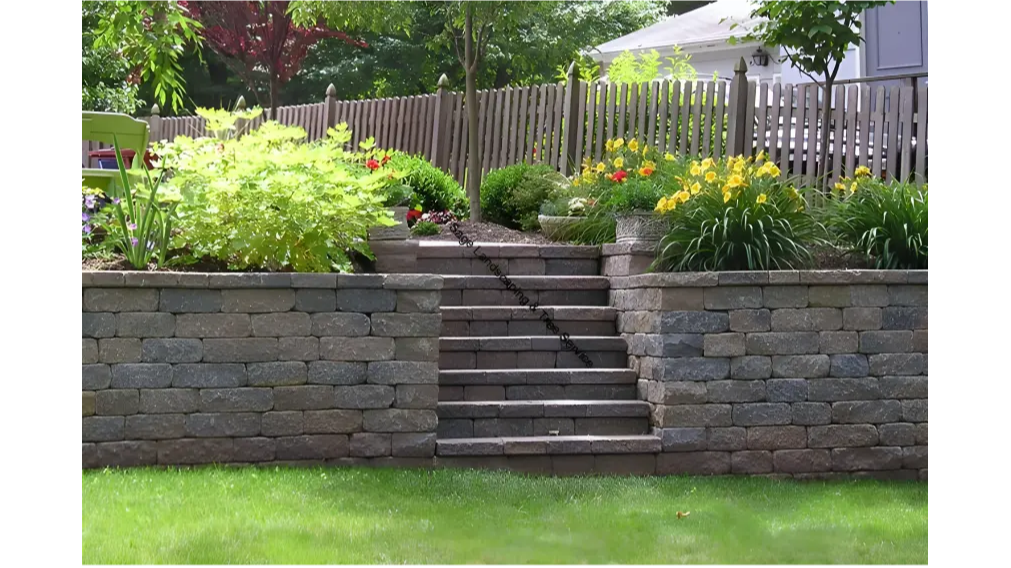
New Jersey homeowners dealing with sloped properties and drainage issues face unique challenges. The state's freeze-thaw cycles, heavy rainfall, and varied soil conditions demand retaining walls that can handle both structural demands and water management. Understanding which retaining wall types perform best in drainage and erosion control helps homeowners make informed decisions that protect their property for decades.
New Jersey's climate creates specific demands for retaining wall systems. Heavy spring rains, winter freeze-thaw cycles, and clay-rich soils in many areas require walls that can manage water effectively while maintaining structural integrity. Four retaining wall types consistently outperform others in these conditions.
Concrete block systems lead the market for their versatility and drainage integration capabilities. These engineered blocks allow for built-in drainage channels and easy installation of perforated pipe systems. Natural stone walls provide excellent drainage through their irregular surfaces and natural gaps, making them ideal for areas with consistent water flow.
Timber retaining walls offer cost-effective solutions for shorter applications, with pressure-treated options lasting 15-30 years, and potentially up to 40 years with certain wood types and proper drainage. However, the standout performer for drainage capability remains the gabion wall system - wire cages filled with rocks that allow unrestricted water flow while providing excellent erosion control. Professional hardscape installation experts often recommend gabion systems for properties with significant drainage challenges or environmental sensitivity requirements.
New Jersey's winter conditions create unique stresses on retaining walls. When water freezes in cracks and joints, it expands with tremendous force, potentially destroying poorly constructed walls. Understanding how different materials handle these cycles helps homeowners choose systems that will perform reliably for decades.
Concrete block retaining walls demonstrate remarkable longevity when properly constructed with adequate drainage. The wide lifespan range reflects the importance of installation quality and drainage system integration. High-end installations with proper foundation preparation, drainage pipes, and quality backfill materials regularly exceed 75 years of service life.
Key factors affecting concrete block longevity: Foundation depth below frost line, quality of drainage system, backfill material selection, and joint sealant maintenance. Blocks manufactured specifically for retaining wall applications include interlocking features and drainage channels that improve both stability and water management. The concrete's resistance to freeze-thaw damage depends heavily on proper curing and air entrainment during manufacturing.
Natural stone walls perform well in New Jersey's climate because stone naturally handles freeze-thaw cycles better than many manufactured materials. Dense stones like granite and bluestone show minimal frost damage even after decades of exposure. The irregular surfaces and natural joints in stone walls create excellent drainage paths, reducing hydrostatic pressure that can cause wall failure.
Installation considerations for stone walls: Proper stone selection, adequate foundation depth, and skilled masonry work determine long-term performance. Dry-stacked stone walls allow maximum drainage but require expert installation to maintain stability. Mortared stone walls need careful attention to joint design and drainage integration to prevent water infiltration and freeze damage.
Timber retaining walls offer the shortest lifespan among major retaining wall types, but they provide cost-effective solutions for many applications. Pressure-treated pine typically lasts 15-25 years, while naturally rot-resistant woods like cedar or redwood can extend service life to 30-40 years with proper drainage.
Timber's main vulnerability lies in water retention and soil contact. Even pressure-treated lumber eventually succumbs to moisture and soil acids. However, timber walls perform well in applications where replacement is planned or where environmental considerations favor natural materials. Proper drainage behind timber walls significantly extends their service life by reducing moisture exposure.
Gabion walls represent an excellent drainage-focused retaining wall design. These wire cage systems filled with rocks allow unrestricted water flow while providing excellent structural stability and erosion control. For New Jersey properties with significant drainage challenges, gabion walls often provide the most effective long-term solution.
The fundamental advantage of gabion walls lies in their highly permeable structure, though filter fabric is needed to prevent soil loss. Unlike solid retaining walls that require drainage systems to manage water, gabion walls allow water to flow freely through the rock fill while retaining soil particles. This eliminates hydrostatic pressure buildup - the primary cause of retaining wall failure.
Gabion drainage benefits: No water buildup behind the wall, self-draining structure reduces maintenance, excellent performance in areas with high groundwater, and natural filtration prevents soil migration while allowing water passage. The rock fill also provides thermal mass that reduces freeze-thaw stress on the wire cages.
Gabion walls integrate naturally into landscape environments while providing habitat opportunities for beneficial wildlife. The rock surfaces support moss and vegetation growth, helping the wall blend into natural settings. Local stone fill reduces transportation costs and environmental impact while supporting regional quarrying operations.
Water quality benefits include natural filtration as water passes through the rock matrix, reducing sediment and pollutant transport. This makes gabion walls excellent choices for properties near waterways or environmentally sensitive areas. The permeable structure also helps maintain natural groundwater flow patterns, preventing the disruption common with solid retaining walls.
Effective drainage systems prevent the water buildup that destroys retaining walls. New Jersey's clay soils and seasonal rainfall patterns make proper drainage absolutely necessary for long-term wall performance. Four required features ensure adequate water management behind retaining walls.
Perforated drain pipes installed at the base of retaining walls collect and redirect water that would otherwise build pressure behind the wall. 4-inch diameter perforated pipes provide adequate capacity for most residential applications, though larger pipes may be needed for extensive drainage areas or clay soils with poor percolation.
Proper installation requirements: Pipes must be installed at the lowest possible point in the base trench, sloped at minimum 0.5% grade (1/4 inch per foot) toward discharge points, and wrapped in filter fabric to prevent sediment clogging. Outlet pipes should discharge to daylight every 50 feet maximum, with cleanout access for maintenance.
Crushed stone #57 is a common and effective option for retaining wall backfill in New Jersey applications. This well-graded aggregate, ranging from 0.25 to 1.5 inches, provides excellent drainage while maintaining stability under compaction. Clean, angular stone without fines ensures optimal water flow and prevents sediment buildup.
The stone backfill extends from the base drain pipe to at least 18 inches behind the wall, creating a drainage zone that intercepts water before it can build pressure. Proper compaction in 8-inch lifts ensures stability while maintaining drainage capacity. Quality stone backfill can dramatically extend wall lifespan by eliminating the primary cause of retaining wall failure.
Weep holes provide emergency drainage for water that bypasses the primary drainage system. These openings, typically 3-4 inches in diameter, allow water to escape through the wall face rather than building pressure behind it. Proper spacing at 3-8 foot intervals ensures adequate drainage capacity without compromising wall structural integrity.
Weep hole installation varies by wall type. Concrete block walls can incorporate weep holes during construction, while stone walls often include natural drainage gaps. Timber walls require drilled holes with drain pipe inserts to prevent wood damage around openings.
Surface grading provides the first line of defense against water infiltration behind retaining walls. A minimum 2% slope (approximately 1/4 inch per foot) directs surface water away from the wall, reducing the burden on drainage systems. Proper grading can reduce drainage system loading by 60-80% during typical rainfall events.
Grading considerations: Maintain slope for at least 10 feet from the wall when possible, use non-erosive surface materials like stone or established vegetation, and ensure drainage diverts to appropriate discharge areas rather than neighboring properties. Regular maintenance of surface grading prevents erosion that can compromise the drainage system.
Understanding permit requirements and realistic cost expectations helps homeowners plan retaining wall projects effectively. New Jersey's municipal structure means requirements vary significantly between communities, making local research necessary for project planning.
New Jersey retaining wall permits depend on wall height and local regulations. Walls under 4 feet typically require only zoning permits in most municipalities, while walls 4 feet or taller generally need construction permits with engineered plans. However, some communities have stricter requirements that apply to shorter walls.
Common permit considerations: Setback requirements from property lines, structural engineering requirements for taller walls, environmental impact assessments near waterways, and inspection schedules during construction. Some municipalities require soil analysis or geotechnical reports for walls over specific heights or in areas with known soil stability issues.
Retaining wall costs vary dramatically based on material selection, wall dimensions, and site-specific factors. Material costs represent 40-60% of total project expenses, with labor and site preparation comprising the remainder. Drainage system complexity significantly impacts overall project costs.
Major cost variables include: Excavation requirements and soil disposal, foundation depth and reinforcement needs, drainage system complexity and pipe routing, material transportation and handling costs, and permit and engineering fees. Difficult site access can increase costs by 25-50% due to material handling challenges.
New Jersey homeowners can expect retaining wall investments between $4,000-$15,000 or more for typical residential applications, according to 2024-2025 data. Costs can vary significantly based on materials, size, and site conditions. A basic 50-foot-long, 4-foot-tall concrete block wall with standard drainage typically costs around $8,000 including materials and professional installation.
Cost breakdown by wall type: Timber walls: $15-35 per square foot, Concrete blocks: $20-40 per square foot, Natural stone: $25-50 per square foot, Gabion walls: $15-30 per square foot. Additional costs include excavation ($3-8 per square foot), drainage systems ($5-15 per linear foot), and permits/engineering ($500-2,500 depending on requirements).
Selecting the optimal retaining wall type requires matching drainage capabilities with site-specific conditions. New Jersey's diverse soil types, rainfall patterns, and freeze-thaw cycles create varying demands that different wall systems handle with different levels of effectiveness.
For maximum drainage performance, gabion walls perform well in applications with high groundwater, frequent saturation, or environmental sensitivity requirements. Their highly permeable structure eliminates hydrostatic pressure while providing excellent erosion control and natural integration.
For balanced performance and longevity, concrete block systems with integrated drainage provide 35-100 year service life when properly installed. These systems offer design flexibility, reasonable costs, and proven performance in New Jersey's challenging climate conditions.
For budget-conscious applications, properly designed timber walls with adequate drainage provide 15-40 year solutions at lower initial costs. Natural stone walls offer premium aesthetics and excellent freeze-thaw resistance for homeowners prioritizing appearance and long-term performance.
The key to successful retaining wall performance lies in matching wall type to specific site conditions while ensuring proper drainage system integration. Professional assessment helps identify optimal solutions that balance performance, longevity, and investment requirements for each unique property situation.
For expert guidance on retaining wall solutions tailored to your New Jersey property's specific drainage and erosion control needs, visit Sage Landscape Contractors & Tree Experts, which provides resources for homeowners planning landscape improvement projects.


