Think your treadmill can’t possibly work in an apartment? The right combination of motor type, belt construction, and cushioning technology can reduce noise by up to 40% – but most buyers focus on completely the wrong specifications.
When neighbors share thin walls and family members work from home, the wrong treadmill choice can turn fitness goals into household friction. The secret? Understanding three critical specifications that separate apartment-friendly machines from their disruptive counterparts.
The motor is the heartbeat of every treadmill, and its design directly impacts the acoustic footprint in your living space. Traditional motors generate noise through electromagnetic vibrations and mechanical friction, creating the familiar humming and whirring sounds that can penetrate walls and disturb another household's calm environment.
Motor placement within the treadmill frame also influences noise transmission. Manufacturers who prioritize quiet operation position motors with strategic isolation mounts and vibration-dampening materials. These design choices prevent motor vibrations from transferring through the frame structure and into the floor, reducing the rumbling sounds that can be particularly problematic in multi-story buildings.
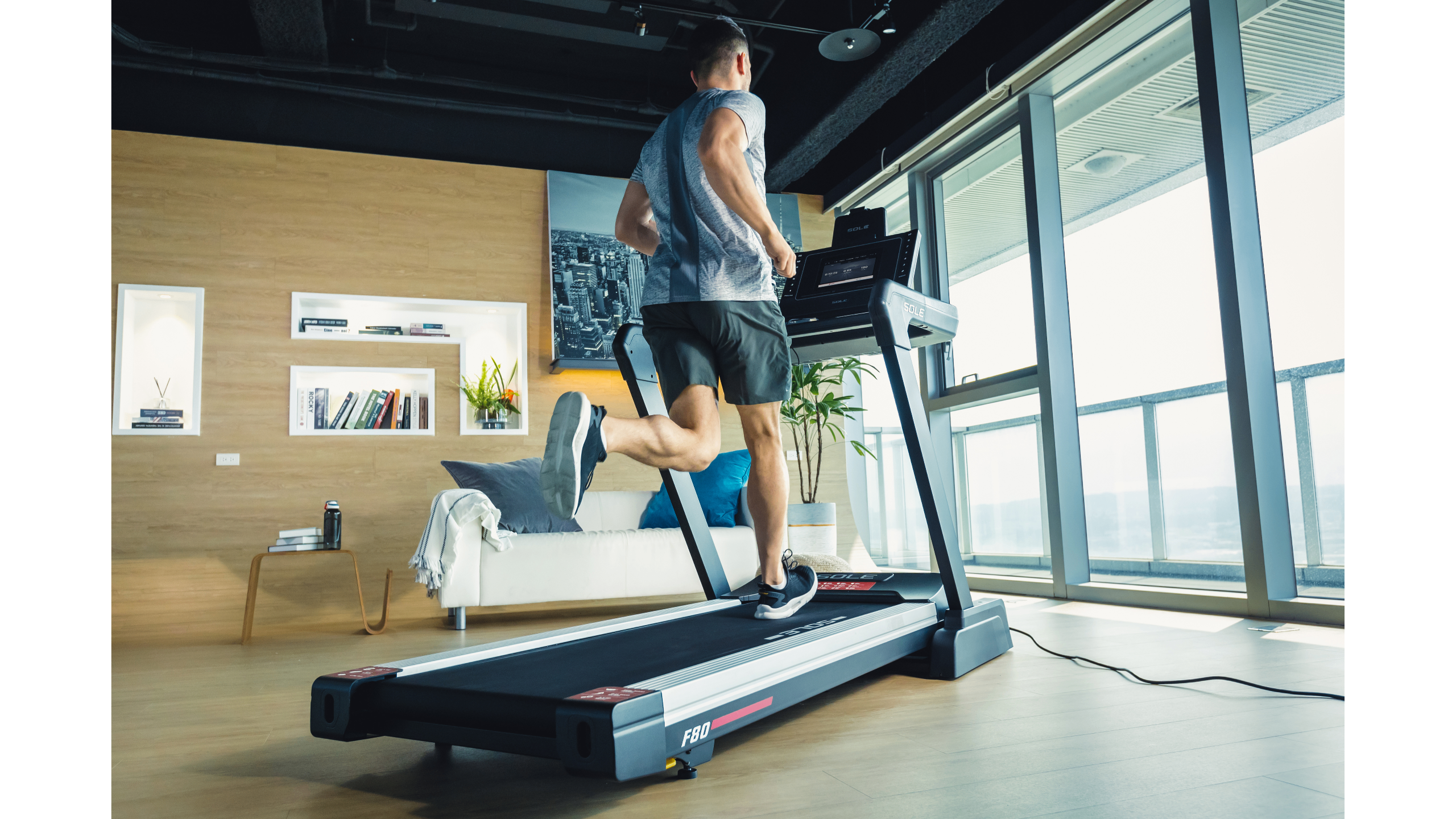
Direct current (DC) motors consistently outperform alternating current (AC) motors in residential noise testing, particularly at the lower speeds favored by home users. DC motors operate with smoother electromagnetic transitions, eliminating the electrical switching noise characteristic of AC systems. SOLE's F80 model demonstrates this principle with its precision-engineered DC motor that maintains low noise levels during extended workout sessions, though sound levels may increase during higher-intensity running.
Continuous Duty Horsepower represents the motor's sustainable power output during extended operation, distinguishing it from peak horsepower ratings that only reflect short-term capabilities. Treadmills with adequate CHP ratings (typically 2.5 to 3.0 for running applications) operate with less strain and consequently generate fewer noise-producing vibrations. Under-powered motors work harder to maintain speed, creating mechanical stress that manifests as increased acoustic output.
Advanced treadmill manufacturers incorporate specialized acoustic materials around motor housings to contain and absorb sound energy before it can propagate through the machine frame. These materials include high-density foam barriers, rubber isolation mounts, and composite panels designed specifically for noise reduction. The strategic placement of these materials creates multiple barriers between the motor and the surrounding environment.
The running belt is the primary interface between user and machine, so its construction is vital for noise management. Traditional single-layer belts transmit foot impact directly to the deck and frame, creating the characteristic thudding sounds that can disturb neighbors below. Multi-ply construction addresses this challenge through layered materials that progressively absorb and dissipate impact energy.
Each layer in a multi-ply belt system serves a specific acoustic function, from the textured running surface that provides grip without generating friction noise, to intermediate dampening layers that absorb impact energy. The bonding between layers uses specialized adhesives that maintain flexibility while preventing delamination that could create squeaking or rattling sounds over time.
Orthopedic belts incorporate additional cushioning layers specifically designed to replicate the shock-absorbing properties of quality running tracks. These specialized surfaces not only reduce joint stress but significantly diminish the impact noise transmitted through the treadmill structure. The extra cushioning layers act as acoustic dampeners, absorbing the energy that would otherwise create disruptive sound.
Modern cushioning technology goes way beyond simple foam padding to include sophisticated mechanical systems designed to manage impact forces while minimizing noise transmission. These systems achieve the remarkable feat of providing superior joint protection (reducing impact by up to 40% compared to road running) while simultaneously addressing the acoustic challenges of indoor exercise equipment.
The engineering behind effective cushioning involves careful consideration of materials science, mechanical design, and acoustic properties. Systems that excel in noise reduction typically feature multiple stages of impact absorption, preventing the sharp impact spikes that generate the most disruptive sound frequencies.
Elastomer cushioning systems utilize synthetic rubber compounds engineered for consistent dampening characteristics across varying impact forces and environmental conditions. These materials provide progressive resistance that increases with impact force, naturally absorbing energy while maintaining quiet operation. Unlike mechanical springs that can resonate and amplify certain frequencies, elastomers provide effective dampening that manages noise across the entire acoustic spectrum.
Spring-based systems, while offering excellent shock absorption, require careful tuning to prevent acoustic resonance that can amplify rather than reduce noise. Premium implementations combine springs with dampening elements to capture the benefits of mechanical absorption while avoiding the potential for noise amplification. The choice between systems often depends on the specific acoustic requirements of the installation environment.
The treadmill deck provides the foundation for all cushioning systems, making its material properties and construction quality critical for long-term acoustic performance. High-grade decks utilize durable materials specifically selected for dimensional stability and resistance to the moisture and temperature variations common in home environments. These materials resist warping and dimensional changes that can create gaps and loose connections - leading to squeaks and rattles.
Integrated vibration isolation begins at the foundation level with specially designed rubber feet that decouple the treadmill from floor surfaces. These components feature engineered rubber compounds tuned for optimal dampening characteristics across the frequency range of treadmill operation. Unlike simple rubber pads, these sophisticated isolators provide consistent performance while preventing the gradual compression that can compromise their effectiveness over time.
Space constraints in urban homes demand treadmills that seamlessly integrate into daily life without permanently commandeering valuable floor area. Effective folding mechanisms enable machines to transition from exercise equipment to stored furniture with minimal effort and noise generation. The engineering challenge lies in creating robust folding systems that maintain structural integrity while operating quietly enough for apartment living.
Hydraulic assist systems turn the folding process from a potentially disruptive mechanical operation into a smooth, controlled movement that generates minimal noise. These systems utilize pressurized fluid to provide graduated assistance during both folding and unfolding operations, eliminating the jarring impacts and mechanical stress that can create noise and disturb household members. The controlled movement also protects internal components from damage while ensuring consistent operation over thousands of folding cycles.
Quality hydraulic systems feature adjustable dampening that allows the customization of folding speed and resistance to match user preferences and space constraints. This adjustability can be particularly valuable in apartments where noise sensitivity varies by time of day or proximity to neighbors.
Optimized space utilization requires a careful balance between running surface area and overall machine dimensions. Premium compact treadmills achieve running areas of 50+ inches in length and 18+ inches in width while maintaining overall footprints suitable for typical urban living spaces. This dimensional efficiency results from innovative frame designs that maximize internal space while minimizing external bulk.
Successful treadmill selection for compact, quiet applications requires a systematic evaluation of motor specifications, belt construction, and cushioning technology against specific space and acoustic requirements. DC motors with adequate CHP ratings provide the foundation for quiet operation, while multi-ply belts and advanced cushioning systems address impact noise that can disturb neighbors and household members.
The integration of these components within compact, foldable designs enables urban dwellers to maintain fitness routines without compromising living space functionality or neighborhood relationships. Hydraulic assist folding and optimized dimensions ensure that performance capabilities don't come at the expense of spatial practicality. Regular maintenance preserves these benefits throughout the equipment's service life, maintaining the quiet operation needed for successful apartment-based fitness solutions.
Brands like SOLE Fitness specialize in engineering quiet, compact treadmill solutions designed specifically for home fitness enthusiasts seeking professional performance in space-conscious packages.


