For seniors needing oxygen therapy, the latest 2025 models weigh under 3 pounds and operate quieter than normal conversation—but choosing between ultra-portability and extended features requires understanding which trade-offs matter most for your lifestyle.
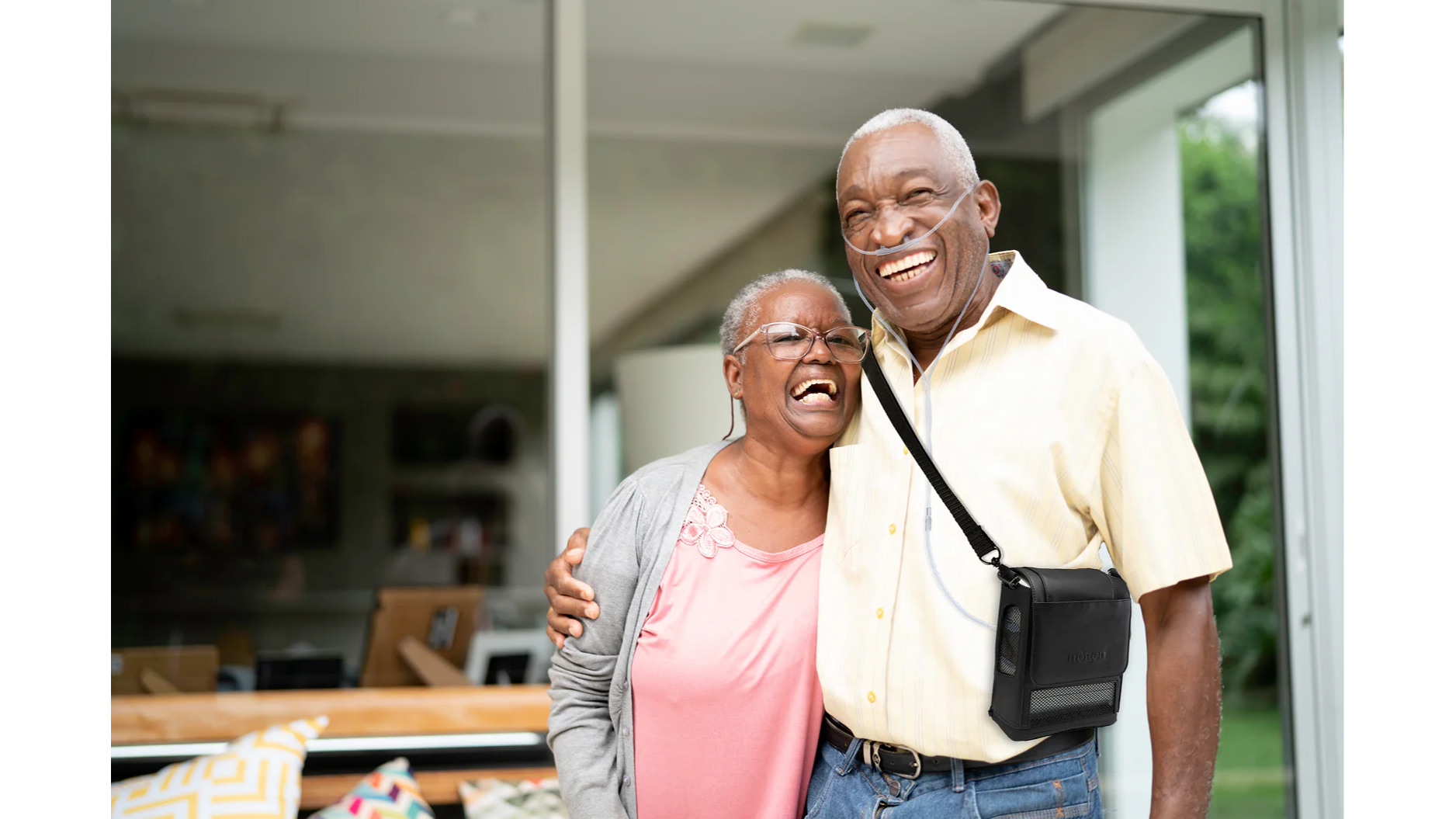
For seniors managing respiratory conditions like COPD or asthma, finding the right portable oxygen concentrator (POC) can greatly improve daily life. The latest models combine recent advances in POC engineering with user-focused design, delivering medical-grade oxygen therapy without the bulk and noise that once characterized these devices. New POCs have evolved far beyond their early predecessors, now offering whisper-quiet operation and featherlight portability that doesn't compromise on performance.
The race for ultra-lightweight design has produced remarkable innovations in portable oxygen technology. The Inogen Rove 4 weighs only 2.9 pounds while delivering significant features and oxygen output capacity. At dimensions of just 5.8 inches wide by 2.7 inches deep by 7.5 inches high, it represents the smallest four-setting device on the market. This ultra-compact design fits easily into a small bag or can be worn comfortably without causing shoulder strain. The modest weight comes with substantial benefits: smartphone connectivity, extended battery options, and higher oxygen output reaching up to 840 mL per minute.
For seniors concerned about device weight affecting their mobility, the Inogen Rove 4 represents the best-in-class balance of portability and performance.
The quietest portable oxygen concentrators operate at sound levels that are practically imperceptible in most environments. The Inogen Rove 6 operates at just 37 decibels on lower settings, making it quieter than a typical indoor conversation. This ultra-quiet operation means seniors can use their oxygen therapy in libraries, theaters, restaurants, and social gatherings without drawing unwanted attention.
The CAIRE Freestyle Comfort operates at approximately 39 decibels on lower settings, still well within the whisper-quiet range that allows for comfortable use in any setting. These sound levels are so low that many users report forgetting they're wearing the device.
Beyond simple convenience, quiet operation addresses several quality-of-life factors for seniors. Social confidence increases dramatically when oxygen therapy doesn't announce itself through persistent humming or hissing. Many seniors report feeling more comfortable attending social events, religious services, and family gatherings when their oxygen concentrator operates silently.
Sleep quality improves significantly with quieter devices. Partners sleeping nearby experience fewer disruptions, and the user themselves can rest more peacefully without mechanical noise. Additionally, quiet concentrators allow for better communication during phone calls, television watching, and conversations with healthcare providers.
Ultra-Quiet Champions (37-39 dB):
For reference, normal indoor conversation measures around 40-45 decibels, making these portable concentrators quieter than typical daily sounds.
The Inogen Rove 6 delivers up to 12 hours and 45 minutes on setting 1 with its extended double battery setup, while the standard single battery provides approximately 6 hours of operation. This flexibility allows users to choose their configuration based on planned activities and power availability throughout the day.
The CAIRE Freestyle Comfort also dominates the extended battery category with up to 16 hours of operation on setting 1 using its extended battery configuration. This exceptional runtime allows seniors to spend entire days away from home without worrying about power management. The device offers flexible battery options: the compact 8-cell battery provides up to 4 hours at setting 2, while the extended 16-cell battery delivers the impressive 16-hour capacity on lower settings.
The Inogen Rove 6 batteries recharge in 3 to 4 hours, depending on capacity, with the ability to charge spare batteries externally while using the primary battery. This system ensures continuous operation by rotating between charged batteries as needed.
Modern charging technology has dramatically reduced downtime between uses. The CAIRE Freestyle Comfort recharges its compact battery in just 3.5 hours, while the extended battery requires up to 6 hours for full charging. The device continues operating while plugged into AC or DC power, ensuring uninterrupted oxygen therapy during charging periods.
Air travel with portable oxygen concentrators requires specific documentation and preparation. A signed physician's statement is mandatory, detailing the passenger's ability to respond to device alarms, understand operating instructions, and specifying the required oxygen flow rate during flight. This documentation must be obtained prior to travel and presented during the security screening process.
Airlines typically require sufficient battery power for extended flight duration, including potential delays. This means a 4-hour flight may require 6 hours of battery capacity. Additionally, passengers must carry the device in the cabin as carry-on luggage; checked baggage transport is not permitted for oxygen concentrators.
All major lightweight models mentioned in this guide carry FAA approval, including devices from Inogen and CAIRE. The Inogen Rove 4 particularly excels for air travel due to its compact 2.9-pound weight and small footprint, easily fitting under airline seats or in overhead compartments.
The CAIRE Freestyle Comfort's curved design and extended battery life make it ideal for long-haul flights, while its quiet operation ensures minimal disruption to fellow passengers. The device's ability to charge during flight when seated near power outlets adds an extra layer of convenience for international travel.
Pulse-dose delivery works effectively for the majority of seniors requiring oxygen therapy. This technology detects inhalation and delivers precisely timed oxygen bursts within the first 250 milliseconds of each breath, maximizing absorption efficiency. Pulse-dose systems consume less battery power, operate more quietly, and weigh significantly less than continuous flow alternatives.
Continuous flow becomes necessary for specific medical situations, primarily when patients have tracheostomies or breathing patterns too shallow to trigger pulse-dose sensors reliably. Some seniors with severe COPD or during sleep may also require continuous flow, though most modern pulse-dose systems adapt automatically to varying breathing rates, including during rest and sleep periods.
The choice between delivery methods should always be made in consultation with a pulmonologist or respiratory therapist who can assess individual breathing patterns and oxygen saturation levels during various activities.
For guidance on finding the ideal portable oxygen concentrator, partner with a trusted supplier who can help you understand the options and find the perfect fit for your individual needs and lifestyle requirements.
This blog is for educational purposes only and is not medical advice. Oxygen concentrators require a prescription and must be used under the oversight of a licensed medical professional. Patients are encouraged to research their options so they can have informed discussions with their provider.
Pricing and product availability mentioned in this post are subject to change. Please check the website for current pricing and stock information before making a purchase.


