Budget-conscious piano beginners face a crucial decision: can digital pianos truly replace acoustic instruments for proper learning? Professional musicians reveal surprising truths about weighted keys, hidden costs, and which specific models actually deliver authentic playing experiences that support long-term musical development.
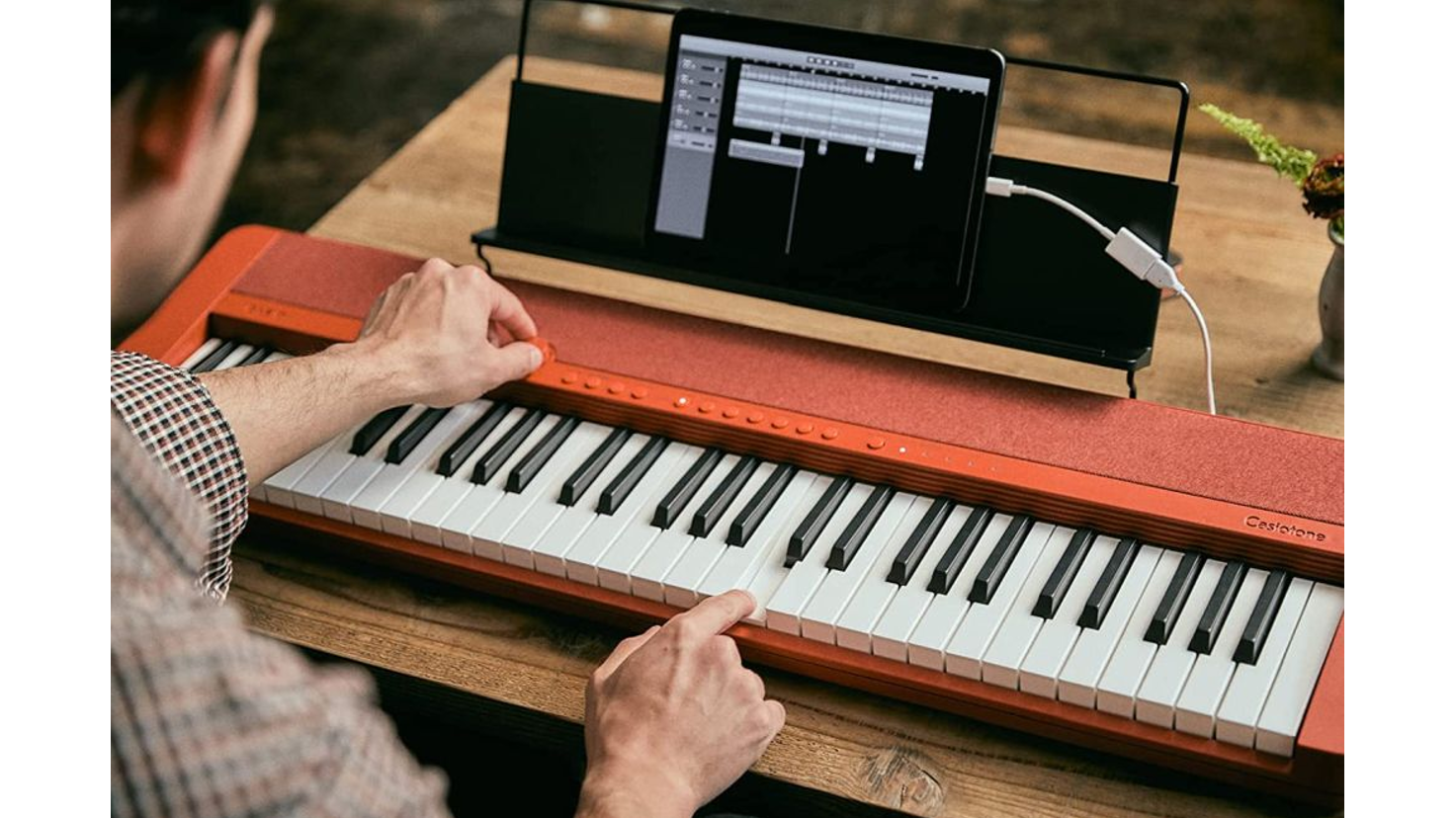
Starting a piano journey shouldn't require emptying your bank account. Digital pianos have revolutionized music education by making quality instruments accessible to learners at every budget level, whilst professional musicians increasingly recognize their value for beginners seeking an authentic playing experience.
The financial barrier between aspiring pianists and their first instrument has dramatically decreased thanks to digital piano technology. Where acoustic pianos often demand thousands of dollars upfront, quality digital instruments can make music education accessible to families previously priced out of piano ownership.
Beyond the initial purchase price, digital pianos eliminate the ongoing costs that acoustic instruments require. Traditional pianos need tuning every six to twelve months, whilst digital instruments maintain perfect pitch indefinitely. Over a decade, these tuning costs alone can easily exceed $2,000 - often more than the purchase price of a quality digital piano.
Digital pianos integrate seamlessly with modern learning tools that acoustic instruments can't match. Built-in metronomes, recording capabilities, and smartphone app connectivity transform practice sessions into engaging, educational experiences. Many models include lesson modes that split the keyboard, allowing teachers and students to play side-by-side in the same octave: a feature impossible with traditional pianos.
The foundation of any worthwhile digital piano lies in its keyboard action. The musical instrument experts at online retailer Sam Ash emphasise that weighted keys are non-negotiable for proper technique development. Unlike touch-sensitive keys found on basic keyboards, weighted action provides resistance that builds finger strength and control, mimicking the hammer mechanism of acoustic pianos.
Beginners can access digital pianos with 88 fully weighted keys that closely replicate acoustic piano touch. This resistance training proves crucial during early learning phases, as students develop the muscle memory and finger independence required for advanced playing. Without proper weighted action, students often struggle when transitioning to acoustic instruments later in their musical journey.
Perhaps the most practical advantage digital pianos offer busy households is volume control. Students can practice at any hour without disturbing neighbours or family members, removing one of the biggest barriers to consistent practice. Quality headphones create an immersive playing experience that rivals acoustic piano sound, whilst maintaining the nuanced dynamics that make piano playing expressive.
This flexibility proves particularly valuable for adult learners juggling work schedules and family commitments. Early morning or late evening practice sessions become feasible, dramatically increasing the likelihood of maintaining regular practice routines that drive musical progress.
Sam Ash explains that modern digital pianos transform traditional practice into interactive learning experiences. Built-in lesson modes guide beginners through proper technique, whilst recording functions allow students to hear their playing objectively - a powerful tool for self-assessment and improvement.
Connectivity to learning apps and computer software opens doors to vast libraries of sheet music, tutorials, and gamified learning experiences. Students can slow down complex passages, loop difficult sections, and access immediate feedback on timing and accuracy. These advantages make digital pianos particularly effective for self-directed learners.
The Yamaha P-145 has earned widespread recognition among music educators for its exceptional reliability and authentic sound quality. This instrument strikes an impressive balance between professional features and beginner-friendly pricing. Its Graded Hammer Standard action provides heavier touch in the lower keys and lighter touch in the upper register, mimicking the feel of an acoustic grand piano.
Sound quality on the P-145 comes from Yamaha's Pure CF Sound Engine, which captures the tonal characteristics of their flagship concert grand piano. The instrument's 10 voices provide sufficient variety for exploration without overwhelming beginners with unnecessary complexity. Built-in speakers deliver room-filling sound, whilst headphone output maintains audio quality for private practice sessions.
The Casio Privia series consistently earns recommendations from professional musicians as the best value option for beginners seeking weighted keys within tight budgets. Models like the PX-770 offer tri-sensor scaled hammer action that provides authentic playing feel, though some players may find the action lighter compared to more expensive instruments.
Casio's sound sampling technology captures the natural decay and resonance of acoustic pianos, providing playing experiences that support proper technique development. The series includes models with traditional wooden stands and three-pedal systems, creating furniture-quality instruments that enhance any room whilst maintaining educational focus.
Professional stage pianists often point to Roland's key action as the gold standard for digital instruments, and the RD-88EX brings this technology to budget-conscious buyers. The PHA-4 Standard keyboard provides authentic playing feel that responds to the subtlest touch variations, making it excellent for developing expressive playing techniques.
However, the RD-88EX's portable design prioritizes performance features over home convenience. Its speakers may not fill larger rooms as effectively as dedicated home models, and the streamlined control interface requires some learning for beginners accustomed to traditional piano layouts. These trade-offs make it ideal for students who plan to perform publicly or need portable practice solutions.
Digital pianos eliminate the most expensive ongoing maintenance requirement of acoustic instruments: regular tuning. Acoustic pianos require professional tuning every six to twelve months to maintain proper pitch relationships, with costs typically ranging depending on location and instrument condition.
Over a decade or more, tuning costs can easily exceed the purchase price of a quality digital piano. Environmental factors like humidity changes, heating systems, and seasonal temperature variations constantly affect acoustic piano tuning stability, making frequent maintenance inevitable rather than optional.
Maintaining a digital piano requires only basic care that most owners can handle independently. Regular cleaning with a soft, lint-free cloth removes dust and fingerprints, whilst protecting the instrument from direct sunlight and moisture prevents electronic component degradation.
Unlike acoustic pianos that require professional regulation, voicing, and occasional string replacement, digital pianos need only proper power supply usage and environmental protection. This simplicity appeals to busy families who want musical instruments without becoming maintenance experts or scheduling regular service appointments.
Professional pianists note that touch response (the instrument's ability to translate finger movements into musical expression) varies significantly across digital piano models and price ranges. Budget instruments sometimes struggle with subtle dynamic control that advanced players require, particularly in the softer playing ranges where acoustic pianos excel.
Key length also affects playing experience, with some affordable models featuring shorter keys that limit control and technique development. Students planning to eventually transition to acoustic instruments should prioritize models with longer keys and more sophisticated touch sensors, even if it means spending slightly more initially.
Digital pianos create sound through recorded samples of acoustic instruments, which means the playing experience will depend entirely on sample quality and processing power. Lower-priced models may use shorter samples that loop artificially, creating noticeable repetition in sustained notes or rapid playing passages.
Polyphony limitations (the number of notes a digital piano can play simultaneously) can also affect musical expression. Budget instruments with lower polyphony counts may cut off notes during complex passages, disrupting the natural flow of advanced repertoire. Most models above $700 provide at least 64-note polyphony, which is sufficient for beginner and intermediate playing, though 128-note polyphony or higher is recommended for more advanced players.
The evidence overwhelmingly supports digital pianos as viable, cost-effective choices for budget-minded beginners. Professional musicians consistently recommend quality digital instruments as excellent starting points that don't sacrifice essential learning experiences whilst providing practical advantages impossible with acoustic pianos.
Success in piano learning depends more on consistent practice and proper technique development than instrument type. Digital pianos with weighted keys, quality sound sampling, and essential features like volume control create learning environments that support musical growth within realistic budgets.
The key lies in choosing instruments that prioritize the core playing experience over flashy features. Models focusing on authentic key action, quality sound production, and durability provide foundations for years of musical development, making them intelligent investments for families beginning their piano journey.
For expert guidance on selecting the perfect digital piano that matches both musical goals and budget constraints, visit reputable who can provide personalised recommendations based on individual needs and preferences.


