Tired of your Apple Watch band turning into a sweaty, uncomfortable mess during workouts? While most people assume all bands are created equal, the material you choose makes the difference between all-day comfort and constant irritation that ruins your fitness tracking.
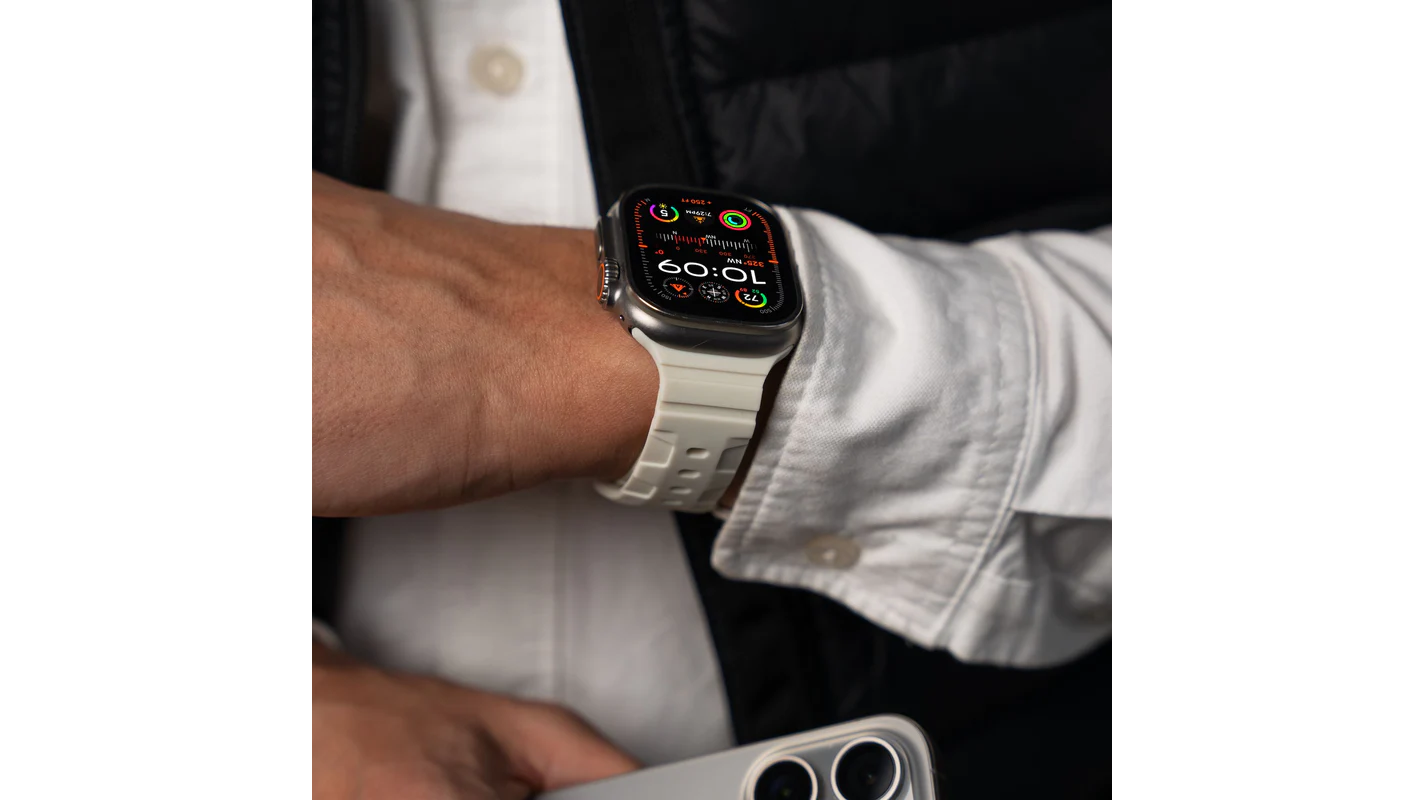
Dealing with a sweaty, uncomfortable wrist during workouts can turn your Apple Watch from a helpful fitness companion into an annoying distraction. The right band material makes all the difference between comfortable all-day wear and constant irritation that forces you to remove your watch mid-workout.
Your Apple Watch band creates sweat through a combination of heat retention, poor airflow, and material properties that trap moisture against your skin. During physical activity, your body temperature rises and sweat production increases naturally. However, certain band materials act like a barrier, preventing that moisture from evaporating and creating a humid microenvironment around your wrist.
The problem becomes worse when bands don't allow proper air circulation. Materials that sit flush against your skin without any breathing room essentially create a mini sauna effect. This trapped moisture not only feels uncomfortable but can also lead to skin irritation, rashes, and bacterial growth that causes unpleasant odors.
As RobustGoods explains, understanding these factors helps you choose a band that works with your body's natural cooling system rather than against it.
Silicone and fluoroelastomer bands represent the pinnacle of sweat-resistant watch band technology. Apple's own Sport Band uses fluoroelastomer, a synthetic rubber that naturally repels moisture while maintaining excellent grip and comfort. These materials don't absorb sweat like organic materials do, instead allowing moisture to bead up and roll off the surface.
The key advantage of fluoroelastomer over standard rubber lies in its advanced polymer structure. This material maintains its flexibility and comfort even after extensive exposure to sweat, chlorine, and saltwater. Nike's perforated Sport Band takes this concept further by adding ventilation holes that promote airflow while maintaining the moisture-repelling properties of the base material.
Cleaning silicone and fluoroelastomer bands is remarkably simple - they can be rinsed with water and mild soap without degrading the material properties. This easy maintenance routine prevents bacterial buildup that often causes odors in other band types. However, note that fluoroelastomer bands may contain PFAS compounds, which have raised health concerns with long-term use.
Apple's Sport Loop, made from woven nylon, offers a completely different approach to sweat management. Rather than repelling moisture, nylon bands work by wicking sweat away from your skin and allowing it to evaporate quickly through the fabric's breathable weave.
The lightweight nature of nylon makes it particularly comfortable during extended wear. Unlike solid materials that can feel heavy and restrictive, nylon bands move naturally with your wrist and don't create pressure points that can worsen sweating. The adjustable hook-and-loop closure also means you can achieve the perfect fit without overtightening.
However, nylon bands do require more frequent cleaning since they absorb moisture rather than repel it. They can trap odors and require regular washing to maintain freshness. The trade-off is worthwhile for many users who prefer the breathable comfort and lightweight feel during intense workouts.
Titanium bands offer unique advantages for users with sensitive skin or those who experience reactions to other materials. Pure titanium is naturally hypoallergenic and doesn't contain nickel, which is a common allergen found in stainless steel bands.
From a thermal perspective, titanium remains temperature-stable, avoiding extreme hot or cold sensations, unlike stainless steel. This temperature stability helps reduce overall sweating by preventing heat buildup around the band contact points.
The key consideration with titanium bands is ensuring they're made from pure titanium rather than titanium alloys that may contain other metals. Pure titanium also offers superior corrosion resistance, making it ideal for users who frequently expose their watch to sweat, pool water, or ocean conditions.
Leather bands, while stylish and comfortable for office wear, become problematic the moment you start sweating. Even treated leather absorbs moisture, creating an environment where bacteria thrive and odors develop. Once leather becomes saturated with sweat, it rarely returns to its original condition, regardless of cleaning attempts.
The absorption problem extends beyond just unpleasant smells. Wet leather can become stiff and uncomfortable, leading to chafing and skin irritation. Additionally, the natural oils and salts in sweat can cause leather to crack and degrade prematurely, making it an expensive choice for active users.
Some manufacturers offer "sport leather" or treated leather options that provide better sweat resistance than traditional leather, but these still retain the fundamental moisture absorption properties that make leather unsuitable for intense physical activity.
Stainless steel bands present a different set of challenges for active users. While they don't absorb moisture like leather, they excel at conducting heat, which can make your wrist uncomfortably warm during exercise. This increased temperature promotes additional sweating as your body attempts to cool itself.
The solid construction of most steel bands also creates areas where sweat can become trapped, particularly around the clasp and in the spaces between links. Without proper airflow, this trapped moisture can lead to skin irritation and bacterial growth.
For users with nickel sensitivities, stainless steel bands pose an additional risk since most steel alloys contain nickel. Contact dermatitis from nickel exposure becomes more likely when combined with the increased skin sensitivity that comes from prolonged moisture exposure.
Even the best sweat-resistant material won't help if your band is too tight. A properly fitted Apple Watch band should feel snug but allow for natural wrist movement and slight expansion during activity. You should be able to slide a finger underneath the band, and the watch should move slightly up and down your wrist without feeling loose.
Overtightening restricts blood circulation and prevents air from reaching your skin, creating the perfect conditions for moisture buildup and irritation. During workouts, consider loosening your band slightly to accommodate increased blood flow and swelling that occurs with physical activity.
Consistent cleaning removes the bacteria and salt residue that cause odors and skin problems. For silicone and fluoroelastomer bands, use mild soap and water or alcohol-based wipes. Nylon bands can often be machine washed on a gentle cycle, though check manufacturer recommendations first.
The frequency of cleaning should increase during periods of heavy use or hot weather. Daily cleaning may be necessary if you're particularly active or prone to heavy sweating.
Having multiple bands allows you to rotate them based on your daily activities. Use breathable sport bands for workouts and switch to more formal options for office wear. This rotation also allows bands to fully dry between uses, preventing bacterial buildup that occurs in constantly moist environments.
Consider switching bands immediately after intense workouts rather than waiting until later in the day. This simple habit can prevent many of the skin problems associated with prolonged exposure to sweaty bands.
After examining all the available options, silicone and fluoroelastomer bands consistently outperform other materials for active Apple Watch users. Their molecular structure naturally repels moisture while maintaining comfort and durability through thousands of workout sessions.
The combination of easy cleaning, hypoallergenic properties, and proven performance in extreme conditions makes these materials the clear choice for anyone serious about fitness tracking. Whether you're running marathons, hitting the gym daily, or simply want all-day comfort, these synthetic materials deliver reliable performance.
While nylon offers excellent breathability and titanium provides superior skin compatibility, the versatility and proven track record of silicone and fluoroelastomer make them the safest bet for most users dealing with sweat-related band issues.


