Choosing the wrong digital piano can sabotage your technique from day one. Weighted keys are non-negotiable for beginners, but one often-overlooked factor—polyphony count—could make or break your progress as you advance.
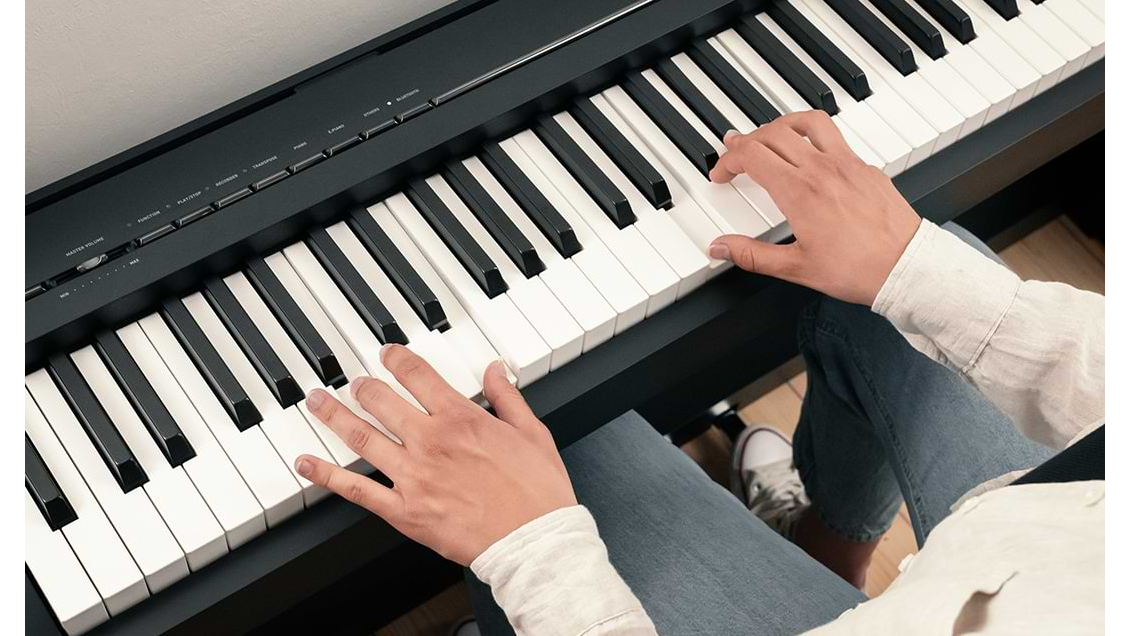
Learning piano on the right instrument is everything. It's the difference between developing clean technique or picking up bad habits that'll haunt your fingers for years. The good news? Today's 88-key digital pianos with weighted keys don't just mimic the real thing—they feel and sound close enough to train your hands like a pro.
Out of dozens on the market, four models keep getting name-checked by teachers and students alike. Each brings its own flavor—whether that's superior key action, smart connectivity, grab-and-go portability, or integrated learning tools that actually help you improve.
These models are widely available through trusted music retailers such as Sam Ash, whose piano specialists regularly help newcomers find the right fit for their goals and budget.
Weighted keys demand intention. Every note needs pressure and precision, which means beginners start developing proper finger strength from day one. That resistance builds the muscle memory for clean, balanced playing. Skip it, and you risk learning bad habits that take years to undo.
Graded hammer action goes further, recreating the heavier feel in the bass and the lighter touch up top. It's what separates a "nice keyboard" from one that actually teaches your hands how an acoustic piano breathes.
Velocity-sensitive keys respond to how fast and hard you play. Softer strokes whisper; stronger ones roar. That touch sensitivity gives you dynamic control—the ability to shape sound through emotion, not volume knobs.
It's what lets you fade from pianissimo (very soft) into fortissimo (very loud) and back again—the language of feeling every pianist craves. Unweighted keyboards flatten that nuance, turning a conversation into a monotone.
Weighted keys also make the leap to acoustic pianos seamless. When you finally sit at a real grand, the muscles, reflexes, and balance are already there. No awkward relearning, no fumbling with resistance. Just music.
Piano experts note that starting with a weighted 88-key digital piano "sets your hands up for the long game," letting beginners play confidently on any instrument, anywhere.
The Yamaha P-145 bridges the gap between classic piano feel and modern tech. It takes everything beginners loved about the P-45 and layers in upgrades: USB audio, app integration, and a sound engine pulled straight from Yamaha's CFIIIS concert grand. Compact, powerful, and easy to move, it's built for players who want authenticity without the bulk.
Yamaha's Advanced Wave Memory (AWM) Stereo Sampling captures the character of its renowned CFIIIS concert grand across multiple dynamics, so the tone shifts naturally with how you play. The result: a richer, more expressive sound that actually reacts to you.
The Sound Boost feature ups the volume without distortion, while damper resonance simulates the subtle shimmer of strings when the sustain pedal is pressed. Together they turn practice into performance—vivid, responsive, and satisfying.
What really separates the P-145 from entry-level rivals is its connectivity. The built-in USB audio interface handles clean, bidirectional streaming—ideal for recording or playback straight through a laptop or phone.
Hook it to Yamaha's Smart Pianist app for a slick visual interface that lets you tweak settings, access sheet music, and capture performances. Add the Rec'n'Share app, and you can even record video sessions for teachers or social posts. It's a setup designed to make progress visible and addictive.
At only 24.5 pounds, the P-145 travels easily from dorm to studio. Its slim frame fits tight spaces, and the angled speakers project sound outward instead of down, giving small rooms surprisingly full tone.
Two 7-watt speakers (14 watts total) keep the sound clear and balanced for everyday practice. The streamlined control panel stays intuitive—no clutter, no confusion, just what you need when you sit down to play.
The Roland FP-10 is famous for one thing above all else—its touch. For beginners serious about developing real technique, few entry-level digital pianos come close. Roland's obsessive focus on feel shows in every design choice, making this model a fave among teachers and students alike.
Roland's PHA-4 Standard action is the gateway to its acclaimed Progressive Hammer technology—graded for heavier bass, lighter treble, and the kind of mechanical realism most entry-level keyboards only dream of.
What truly sets it apart is escapement: that subtle "click" you feel just before the key bottoms out, mirroring the physical release of an acoustic hammer from its string. It's the tactile feedback that trains your fingers to time each note with surgical precision.
The Ivory Feel key surfaces add another layer of realism. Slightly textured, moisture-absorbing, and grippy under the fingertips, they mimic the resistance and friction of traditional keys so your hands don’t slip—even in long, heated practice sessions.
Under the hood, Roland's SuperNATURAL Piano Engine blends sampling and modeling for sound that breathes with your playing. It reacts to your dynamics, pedal work, and note combinations in real time—producing tones that bloom and fade naturally instead of looping like static samples.
Always-on string, damper, and key-off resonance recreate the sympathetic vibration of an acoustic grand. When chords build, overtones collide and shimmer, giving every note dimension and life.
The FP-10's built-in Bluetooth MIDI lets you connect wirelessly to Roland's Piano Partner 2 app and compatible software. Depending on your region, this opens up more than 20 additional voices beyond the piano’s 15 onboard sounds, plus recording tools and interactive learning features.
That wireless freedom keeps the setup clean—no cables, no clutter, just you and the keys. The app's built-in recording helps track progress and fine-tune your touch as you grow.
If your piano needs to move when you do, the Casio CDP-S160 nails the balance between portability and performance. It's proof that real technique doesn’t need a bulky setup—just smart engineering in a body slim enough to fit almost anywhere.
Casio's Scaled Hammer Action II somehow fits full weighted mechanics into a chassis barely 9.1 inches deep. Heavier feel in the bass, lighter at the top—the graded response mirrors an acoustic keyboard so your fingers still build proper strength and control.
The keys themselves have a fine texture that keeps grip steady during fast runs and long practice sessions, while maintaining that smooth glide pianists love. Despite its small footprint, the CDP-S160's action rivals instruments twice its size.
Six AA batteries power the S160 for hours, giving you genuine freedom to practice wherever sound fits the moment—backyard, beach house, road trip, or a late-night living-room corner far from an outlet.
Weighing just 23 pounds, it slips easily into a car trunk or carries one-handed without strain. Casio includes a sustain pedal and music rest right out of the box, so setup takes minutes, not hours. And because it can run on battery alone, you skip the hum or interference that sometimes tags along with AC-powered gear.
The Alesis Recital Pro proves that beginners on a budget don't have to settle. It stacks thoughtful design and real learning tools into a price point that still feels generous.
With dual 20-watt speakers, the Recital Pro sounds far bigger than its footprint. Dedicated woofers and tweeters give it a full, balanced range—clean highs, warm lows, and enough volume for small performances or jam sessions without plugging into an amp.
Its 128-note polyphony outclasses most keyboards in the same bracket. That means sustained pedal work, dense chords, and layered passages all ring out clearly, even as students move into more advanced repertoire. No dropped notes, no compromise.
Alesis sweetens the deal with bundled access to structured online lessons—ideal for players starting from zero or sharpening skills between private sessions. The included trial periods let beginners explore different teaching methods until they find what clicks.
Combined with onboard features like metronome, split mode, and layering options, the Recital Pro turns every practice into guided progress.
Polyphony is how many notes your piano can sound at once. Thirty-two might cover basic melodies, but once you bring in sustain pedals, layered tones, or complex pieces, it crumbles fast.
Aim for at least 64-note polyphony—it's enough for most beginner and intermediate repertoire. But 128 or more gives you space to grow, especially as pieces get richer and your hands start painting in chords.
Each note can eat up multiple voices when you factor in stereo samples and damper resonance, so the practical ceiling is lower than the number printed on the box. More headroom equals smoother, uninterrupted sound.
The built-in metronome is your best friend—it teaches rhythm discipline and phrasing. Recording functions let you hear your playing with fresh ears, exposing timing slips and strengths you can’t notice mid-performance. MIDI recording adds the extra layer of data: velocity, precision, emotion.
Duo Mode splits the keyboard in half so two people can play together in the same range. It's perfect for teacher-student practice—or a parent jamming with their kid, trading melodies like a call and response.
Modern connectivity turns a digital piano into a full learning ecosystem. USB ports hook you to computers, letting you record, mix, or pair with learning software. Bluetooth MIDI frees you from cables entirely—syncing with tablet apps that teach, track, and gamify progress.
Audio inputs let you play along with backing tracks; headphone jacks keep practice sessions silent but immersive. Line outputs plug straight into speakers for small gigs or recording setups.
When it's time to buy, the right choice depends on what matters most to you: feel, portability, or budget. Each of these four instruments hits a different sweet spot.
If you're chasing authentic touch, the Roland FP-10 is the purist's pick. Its PHA-4 Standard action with escapement and ivory feel delivers the closest thing to an acoustic grand—perfect for students planning to transition to the real deal or anyone serious about technique.
For maximum mobility, the Casio CDP-S160 wins easily. Slim, lightweight, and battery-powered, it's built for small spaces, quick setups, and players who like to take their music everywhere.
If budget tops the list, the Alesis Recital Pro punches above its price with 128-note polyphony, robust 20-watt speakers, and bundled lessons that turn a beginner's keyboard into a genuine learning platform.
The Yamaha P-145 sits right in the middle ground—offering refined sound, modern connectivity, and Yamaha's trademark reliability. It's the balanced choice for learners who want traditional feel with digital convenience.
In the end, the best piano is the one that makes you want to sit down and play every day. Try a few in person if you can—the weight of the keys, the tone, the response under your fingertips all matter more than specs on paper.
Sam Ash carries the full range of 88-key weighted digital pianos and pairs buyers with specialists who can help match feel, space, and budget.


