A clear look at beginner core workouts for women, focusing on safe, low-impact exercises that support posture, reduce strain, and fit easily into a home routine.
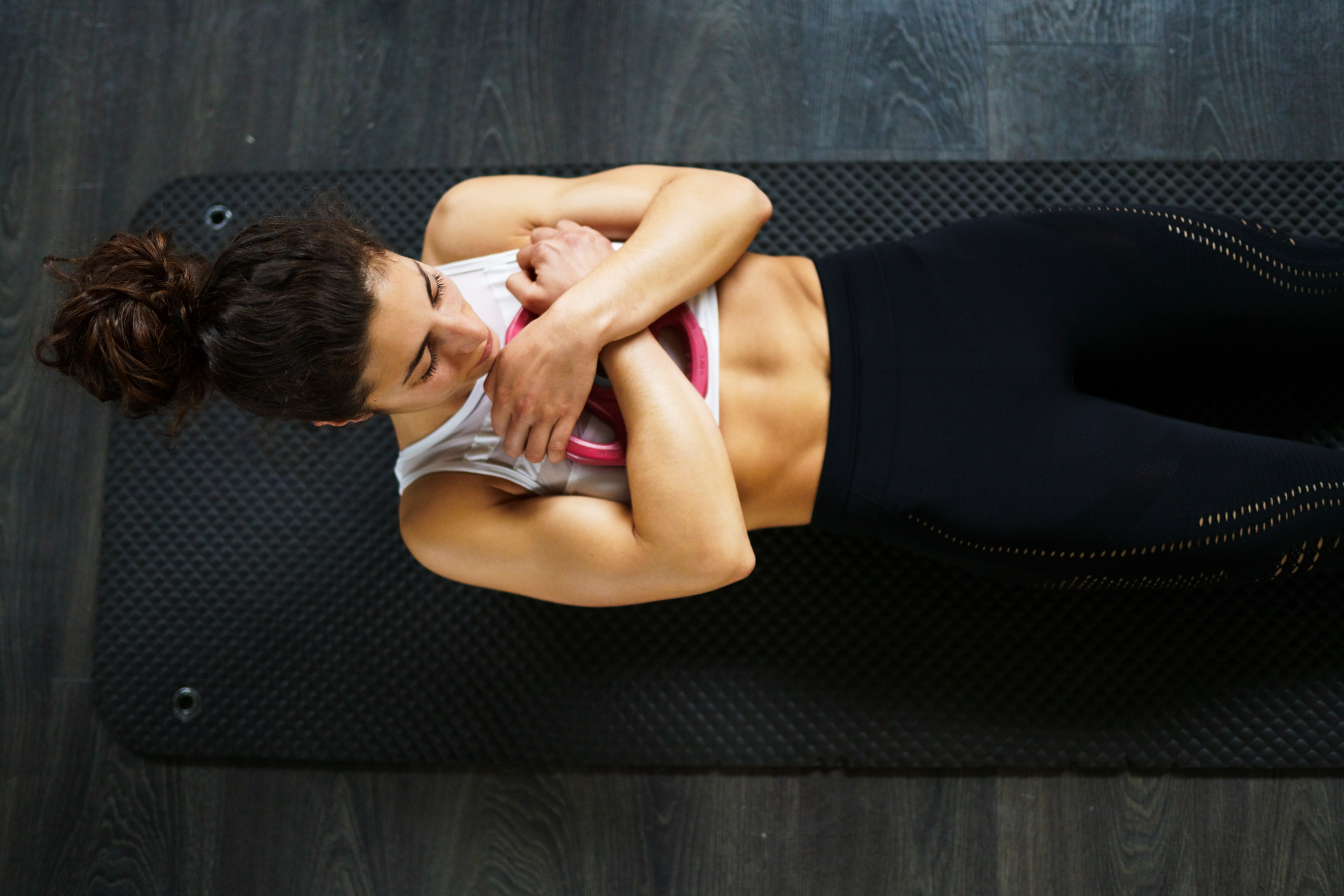
Core workouts can feel intimidating when you’re just getting started, especially if traditional exercises like crunches or sit-ups strain your neck or leave your lower back feeling tense. For many women beginning a fitness routine, the challenge is not motivation, but finding movements that feel safe, doable, and repeatable at home without specialized training.
Low-impact core training has become a popular starting point for exactly that reason. It focuses on controlled, guided motion rather than high-intensity repetition, making it easier for beginners to build strength in the muscles that support posture, balance, and everyday movement.
Many people picture abs training as a marathon of crunches. But the deep core muscles, including the transverse abdominis and multifidus, respond far better to slow, controlled movements than to fast, repetitive flexing. These stabilizing muscles help support the spine during bending, lifting, and sitting, and they’re often underdeveloped in beginners or individuals with sedentary jobs.
When the deeper core is weak, the body relies on surface muscles to compensate. That’s when neck strain, lower-back tension, and poor posture tend to show up. Low-impact routines emphasize form over force, helping beginners train the right muscles without overloading joints.
Starting a new workout habit is easier when the barrier to entry is low. Short sessions, privacy, and flexible timing make at-home core training more realistic for beginners than committing to gym classes or complex routines. Even ten-minute sessions can be enough to create momentum, especially when the movements focus on quality rather than intensity.
Low-impact routines are also joint-friendly, which matters for women returning to exercise after a break, managing stiffness, or dealing with lingering discomfort from past injuries.
Floor workouts like sit-ups and standard crunches aren’t always beginner-friendly. They often recruit hip flexors more than the true core muscles, and many people unconsciously pull on their neck or round their lower back while trying to complete the movement. Over time, this can create more strain than strength.
Beginners tend to benefit from movements that:
This is why many low-impact core routines, for example, those using home gym machines like the KingsyFit™ Home Gym Ab Workout Trainer, use kneeling positions and supported angles.
Here are a few beginner-friendly exercises that work well at home:
A simple movement that activates the deep core without bending the spine. Lift one knee toward your chest while keeping your torso tall, then lower with control. Great for women who experience discomfort during floor exercises.
Using a wall, kitchen counter, or sturdy table reduces pressure on the wrists and lower back. Hold for short intervals, even 10-15 seconds, while keeping the core engaged.
From a hands-and-knees position, extend one arm and the opposite leg. The slow movement stabilizes the spine and activates the transverse abdominis without strain.
Hands behind the head or at the hips, lean slightly to one side and lift the knee toward the elbow. Targets obliques without bending on the floor or pulling on the neck.
Using small gliders or towels on a smooth floor, gently slide one foot back while maintaining a neutral spine. This trains stability without sudden force or impact.
From a standing position, pull a resistance band downward while bracing your core. This engages upper and lower core muscles without floor-based movement.
Beginners often find incline-supported positions far easier than lying flat. The angle helps reduce pressure on the neck and lower back while still training the abs.
Using a stable support (chair, countertop, or guided equipment), gently draw the knees forward while keeping the spine neutral. This strengthens deep abdominal muscles with minimal strain.
For women new to core training, the biggest gains often come from consistency rather than duration. Ten minutes of focused movement a day can be more effective than sporadic, strenuous sessions. Because low-impact routines are easier on the body, they’re also easier to sustain, which is the real key to building strength.
Short, predictable sessions help avoid the burnout that often comes with high-intensity programs. Tracking reps or time can also help maintain motivation, especially when progress is measured by form quality rather than calorie burn.
A strong core does more than improve appearance. It stabilizes the spine, supports balance, and reduces strain on surrounding muscles. Everyday activities, like carrying groceries, getting out of the car, lifting children, or sitting at a desk, all rely on the core working properly.
Strengthening these stabilizing muscles can also help reduce common discomforts like lower-back tightness by improving alignment and distributing loads more evenly across the body.
To recap, low-impact core training gives beginners a more approachable way to build strength without stressing the joints or relying on complex gym equipment. By focusing on controlled movement and steady progression, women can strengthen the deep muscles that support posture and daily function, all from the comfort of home.


