Virginia’s bed bug crisis is costing homeowners thousands, but most don’t realize the hidden expenses that can triple their bills. Early detection could save you 50-75% in treatment costs—if you know what warning signs to watch for.
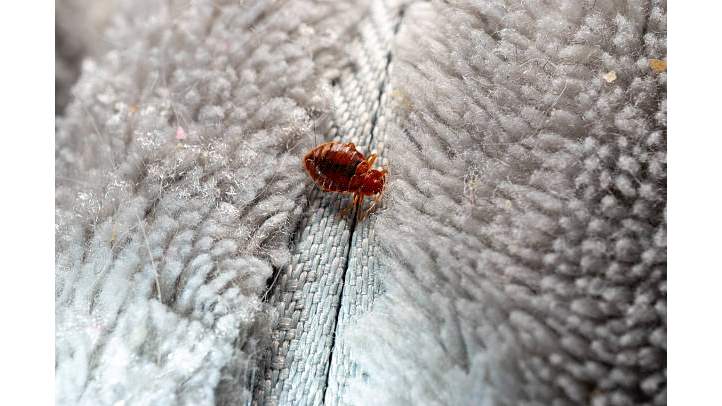
Virginia's bed bug crisis has reached alarming proportions, with infestations costing homeowners thousands of dollars in treatment expenses and property damage. Understanding your treatment options, associated costs, and choosing the right professional company makes the difference between quick resolution and months of ongoing problems.
Virginia homeowners face an escalating bed bug emergency that's draining bank accounts and disrupting lives across the Commonwealth. These resilient pests have developed resistance to traditional pesticides, making elimination more complex and expensive than ever before. The psychological toll compounds the financial burden, with many families experiencing sleep deprivation, anxiety, and social isolation during extended treatment periods.
Recent data shows Virginia bed bug complaints have increased dramatically over the past five years, particularly in high-density areas like Northern Virginia and the Richmond metropolitan region. The combination of increased travel, pesticide resistance, and delayed detection creates perfect storm conditions for widespread infestations. Many residents discover problems only after populations explode throughout their homes, transforming manageable situations into costly whole-house treatments.
The economic impact extends beyond direct treatment costs to include furniture replacement, temporary housing expenses, lost productivity, and health care costs from allergic reactions, but local pest control experts can help families restore their homes and peace of mind through proven treatment protocols.
Virginia homeowners face two primary professional treatment options, each with distinct advantages and limitations. The choice between heat and chemical treatments often depends on budget constraints, timeline requirements, and household composition considerations.
Heat treatments involve raising room temperatures above 120 degrees Fahrenheit for an hour or more, using specialized fans to circulate hot air throughout treatment areas. According to the Virginia Department of Agriculture and Consumer Services, these treatments typically cost $300-$1,200 depending on infestation extent and home size. The specialized equipment required can cost thousands of dollars, making this method more expensive for customers.
The primary advantage lies in speed and complete coverage—heat penetrates deep into furniture, wall voids, and other hiding spots where chemicals cannot reach effectively. All bed bug life stages, including eggs, die instantly at lethal temperatures. However, unlike liquid applications, heat treatments don't offer residual bed bug protection after completion.
Chemical treatments provide more budget-friendly alternatives while offering extended residual protection against reinfestation. Professional-grade pesticides eliminate existing populations and continue killing bed bugs for weeks or months after application. Modern targeted bed bug sprays can eliminate infestations more quickly than traditional chemical treatments, preventing bed bug returns for up to 90 days.
The challenge lies in pesticide resistance patterns developed by bed bug populations across Virginia. Some strains show significant resistance to conventional treatments, requiring specialized formulations or multiple application cycles. Chemical treatments also require temporary evacuation and careful preparation to maximize effectiveness.
The Virginia Department of Agriculture and Consumer Services recommends a multi-faceted IPM approach to bed bug control, combining chemical and non-chemical methods for maximum effectiveness. This systematic strategy addresses all aspects of infestation management through detailed inspection, targeted treatment, monitoring, and prevention education.
Professional IPM programs typically include mattress encasements to eliminate bed bug hiding places and protect mattresses, monitoring devices for early detection, and customized treatment protocols based on specific infestation characteristics. This integrated approach achieves higher success rates than single-method treatments while reducing the risk of resistance development.
Understanding the full cost spectrum helps Virginia residents budget appropriately and avoid financial surprises during treatment. Pricing varies significantly based on multiple factors, with hidden expenses often catching homeowners unprepared.
The average bed bug treatment cost currently ranges from $1,000 to $4,000, but can extend from $350 to $6,200 based on factors like location, severity, and preferred extermination method. Heat treatments typically fall on the higher end due to specialized equipment requirements, while chemical treatments offer more budget-conscious alternatives.
Per-room pricing generally ranges from $200 to $400 or approximately $4 to $7.50 per square foot for professional treatment. Severe infestations requiring whole-house treatment can cost substantially more than localized bedroom-only interventions. Companies like PMSI Pest Management Services in the Mid-Atlantic region use chemical treatments designed to break the bed bug life cycle, scheduling two follow-up treatments spaced two weeks apart.
Beyond base treatment fees, numerous hidden expenses can double or triple total bed bug elimination costs. Furniture replacement becomes necessary when infestations penetrate deeply into mattresses, box springs, and upholstered items beyond salvage. Temporary housing costs accumulate when treatments require extended evacuation periods or multiple application cycles.
Preparation assistance fees apply when homeowners cannot complete required laundering, decluttering, and furniture moving independently. Lost wages from time off work, childcare arrangements during treatments, and replacement of personal belongings create additional financial strain. Many Virginia residents underestimate these secondary costs when budgeting for professional treatment.
Homeowner's insurance policies typically exclude bed bug treatment as preventable pest control rather than covered damage. However, some policies may provide partial coverage when infestations result from covered perils like water damage or structural issues. Review policy language carefully and document all treatment expenses for potential reimbursement consideration.
Many Virginia pest control companies offer financing options or payment plans to spread costs over several months. Some provide discounts for cash payments or bundled services combining treatment with ongoing monitoring programs. Compare total costs including interest charges when evaluating payment alternatives.
Catching bed bug infestations early dramatically reduces treatment complexity and associated expenses. Virginia homeowners who identify problems within the first few weeks often face treatment costs 50-75% lower than those addressing established, widespread infestations.
Small, dark spots on mattresses, sheets, or furniture indicate bed bug excrement and signal active infestations requiring immediate attention. Reddish or rust-colored stains on sheets result from crushed bed bugs and typically appear near sleeping areas. Sweet, musty odors in heavily infested rooms become noticeable as populations grow larger.
Shed skins from molting bed bugs accumulate in mattress seams, headboards, and furniture crevices near sleeping areas. Live bugs discovered during daylight hours indicate severe infestations, as these nocturnal pests typically remain hidden during day. Blood stains on pillowcases or sheets provide additional evidence of feeding activity.
Bed bug bites typically appear as small, red, itchy welts arranged in distinctive lines or clusters on exposed skin areas. Unlike random mosquito bites, bed bug feeding patterns create recognizable "breakfast, lunch, and dinner" arrangements as bugs move along skin surfaces. Bites commonly occur on arms, shoulders, neck, and face—areas exposed during sleep.
Not everyone reacts to bed bug bites, with reactions ranging from no visible marks to severe allergic responses. Delayed reactions can appear days after feeding, making timeline correlation with travel or other exposure sources challenging. Multiple family members experiencing similar bite patterns simultaneously suggests bed bug activity rather than other biting insects.
Professional inspections provide evaluation capabilities beyond typical homeowner detection methods. Trained technicians know exactly where bed bugs hide, using specialized tools like flashlights, magnifying glasses, and monitoring devices to identify evidence in overlooked locations. Virginia pest control companies often provide free inspections with treatment purchase, offering expert assessment without upfront costs.
DIY detection methods can miss early-stage infestations or misidentify other insects as bed bugs, leading to inappropriate treatment decisions. Professional inspection includes detailed documentation of findings, treatment recommendations, and prevention guidance tailored to specific property characteristics. Early professional intervention provides the most cost-effective path to complete elimination.
Virginia residents facing bed bug infestations benefit significantly from professional treatment over DIY attempts. Professional exterminators bring expertise, specialized equipment, and treatment guarantees that deliver peace of mind and reliable results that home remedies simply cannot match.
Professional treatment addresses all aspects of bed bug elimination through systematic inspection, targeted application, and follow-up monitoring that ensures complete eradication. The combination of immediate relief, long-term protection, and warranty coverage makes professional intervention the most cost-effective choice for Virginia families seeking permanent bed bug freedom.
For complete bed bug elimination and same-day service throughout Virginia, professional exterminators like Connor's Pest Pros can offer expert pest control solutions.


