Thinking about a bathroom remodel? This guide explains renovation costs, planning steps, and what homeowners should ask before hiring a contractor.
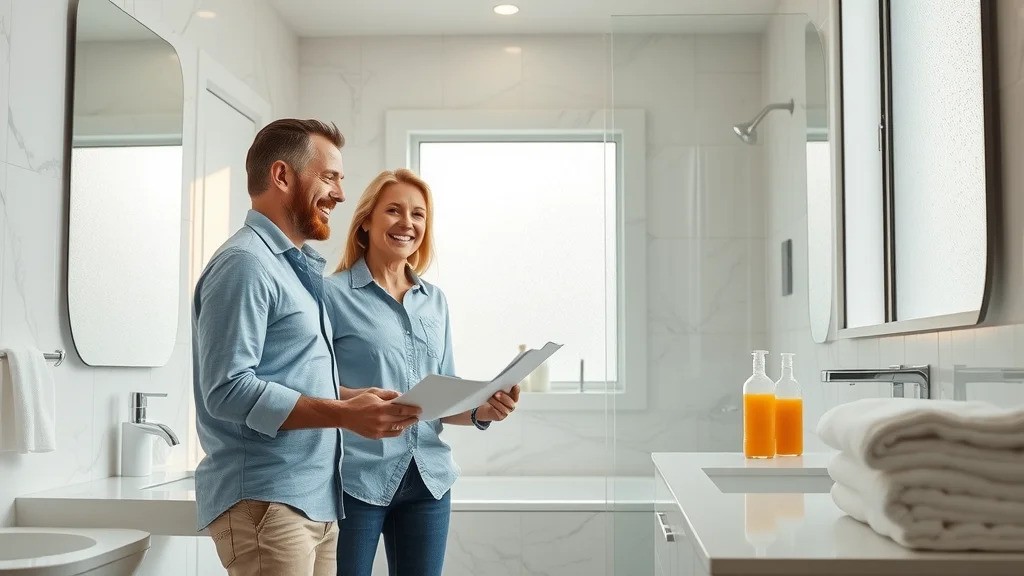
Bathroom renovations remain one of the most popular home improvement projects, but they also come with some of the biggest cost questions. As more homeowners plan upgrades for 2026, everything from rising material prices to extended contractor waitlists is shaping how long projects take and how much they cost. Whether you're refreshing a small guest bath or planning a complete remodel, a little preparation goes a long way.
This guide breaks down what to expect, what drives costs up or down, and how to hire the right contractor for a project that runs smoothly from start to finish.
Bathroom remodel budgets vary widely because no two layouts, material choices, or plumbing setups are the same. A simple cosmetic update, new paint, a vanity swap, better lighting, sits at the lower end of the range. Expansions, tub-to-shower conversions, waterproof flooring, plumbing reroutes, and custom tile work push projects toward the higher end.
Labor typically represents the largest portion of the budget. When a remodel involves plumbing changes, electrical adjustments, or installing features like walk-in showers or accessibility upgrades, the cost increases because specialists need to be brought in. Materials also influence pricing significantly; for example, solid-surface vanity tops, composite waterproof flooring, modern fixtures, and custom cabinetry all tend to increase overall spend.
Homeowners planning for 2026 should also expect cost fluctuations rooted in national remodeling trends. With homeowner renovation spending projected to reach $524 billion in early 2026, according to industry forecasts, demand for skilled trades remains high, and that affects both scheduling and pricing.
Several factors are shaping the pricing landscape. First, bathrooms see constant daily use, which means more homeowners are refreshing aging layouts or addressing fixtures that no longer meet their needs. Modern bathrooms also incorporate more storage, better lighting, water-saving features, and durable low-maintenance surfaces, upgrades that add comfort and long-term value but also raise material costs.
Second, labor availability continues to affect timelines. Experienced bathroom specialists are often booked months ahead, particularly in cities like St. Louis, where older housing stock requires careful planning and craftsmanship. When demand rises, so do waitlists, which is why many homeowners are already scheduling projects for 2026.
Finally, upgrades that improve efficiency, such as low-flow fixtures, updated plumbing, or moisture-resistant materials, add both value and longevity but require skilled installation. These choices often increase upfront costs but offer better returns in durability and resale value.
Bathroom remodeling today is less about styling trends and more about creating a space that works well every day. Many homeowners are replacing older tubs with walk-in showers, especially in primary bathrooms. Others are updating vanities to improve storage or choosing lighting setups that brighten both the room and daily routines.
Durable flooring has also become a priority. Waterproof composite planks and tile alternatives are increasingly popular because they offer the look of premium materials without the upkeep that older flooring options required. In smaller bathrooms, designers favor clean lines, slim cabinetry, and uncluttered surfaces to make tight spaces feel more open.
Accessibility features are also more common, even for homeowners who don’t need them immediately. Wider doorways, grab bars, non-slip flooring, and low-threshold showers improve function and aging-in-place potential while maintaining modern aesthetics.
Small bathrooms present unique challenges because there’s less room to hide inefficient layouts or outdated features. But even without expanding the footprint, thoughtful design choices can make a major difference.
Space-saving vanities, wall-mounted fixtures, and bright lighting help open up the room visually. Selecting materials with consistent tones or reflective surfaces can make compact spaces feel larger. Waterproof composites and solid-surface materials also reduce long-term maintenance.
Because every inch counts, small bathroom remodels often require careful planning upfront. A contractor with experience in tight spaces can help homeowners avoid common mistakes, such as placing fixtures in ways that limit movement or choosing storage solutions that feel bulky.
A bathroom remodel touches nearly every system in a home: plumbing, electrical, flooring, ventilation, and structural considerations. That’s why choosing the right contractor is one of the most important decisions homeowners make.
Contractors with deep experience in bathroom-specific work can anticipate challenges that aren’t visible during the initial walk-through — older plumbing behind the walls, uneven subfloors, moisture issues, or outdated electrical systems. They also understand how to sequence work efficiently, so the project stays on schedule.
Reliable contractors establish a detailed scope of work, outline expected timelines, and explain how they handle surprises or change orders. They should also be familiar with local building codes and moisture-control requirements, both of which matter a great deal in wet environments like bathrooms.
Before committing to a remodel, homeowners benefit from asking a few key questions. It’s helpful to understand who will be completing the work — whether a single team handles everything or the job involves multiple subcontractors. Homeowners should also ask how the contractor manages unforeseen issues, which can arise once walls or flooring are opened.
Inquiring about past projects is useful, as is reviewing photos, references, or examples of similar bathroom styles. Budget clarity is equally important. A good contractor explains which materials are included, which are optional upgrades, and how any cost changes are communicated during the project.
With contractors booking earlier than usual, homeowners planning a 2026 remodel should begin the process sooner rather than later. Early planning helps secure preferred timelines, allows time to compare material options, and reduces the chance of delays due to product shortages.
Starting ahead also gives homeowners time to refine the design, consider layout changes, and anticipate improvements that could increase long-term value, whether that means better lighting, more storage, or a more functional layout.
A well-planned bathroom remodeling improves daily comfort, enhances the home’s value, and creates a space that functions for years to come.
Planning early, especially for 2026, ensures better scheduling, smoother project flow, and a finished bathroom that feels thoughtfully designed rather than rushed.


