Nearly every basement will face water damage at some point, but if you’re in Fairfax County, your risk is even higher. These early warning signs could save you from $25,000+ in flood damage—if you know what to look for before it’s too late.
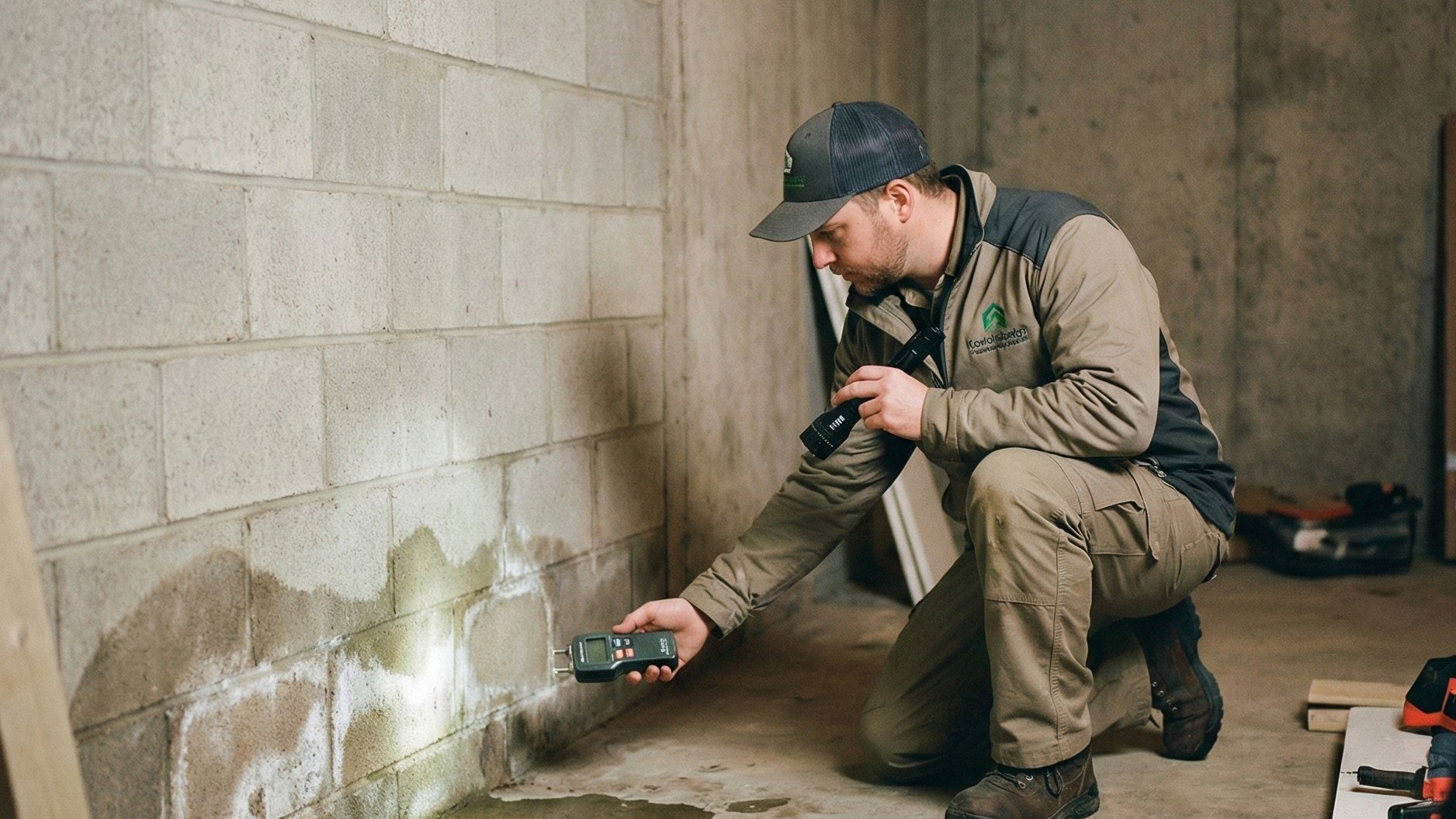
Basement water problems aren't just inconvenient - they're a ticking time bomb that threatens your home's foundation, your family's health, and your financial security. Understanding the warning signs and taking swift action can mean the difference between a minor repair and a catastrophic failure.
Nearly every basement in America will face water intrusion at some point. For homeowners in Fairfax County, the odds are even more challenging. The region's unique combination of clay-heavy soil, 43-46 inches of annual precipitation, and 118 rainy days per year creates a perfect storm for basement moisture problems.
The area's high humidity months - July, August, and June - compound the problem by creating conditions where even minor moisture intrusion can quickly escalate into serious issues.
Insurance industry data reveals that water damage claims account for approximately 24-29.4% of all home insurance claims nationwide. Professional waterproofing services have become increasingly necessary as homeowners recognize that prevention costs far less than remediation.
That distinctive damp smell isn't just unpleasant - it's your basement's cry for help. Musty odors typically indicate mold and mildew growth, which thrives in humid conditions. The smell often persists even when surfaces appear dry because moisture can hide behind walls, under flooring, or in ceiling materials.
Visible mold appears as black, green, white, or orange patches, particularly in corners and near plumbing fixtures. Health experts warn that mold exposure can trigger allergies, asthma attacks, respiratory issues, skin irritation, and headaches. Since basement air circulates throughout your entire home, these health risks aren't confined to the lower level.
Foundation cracks, whether horizontal, vertical, or diagonal, are clear indicators of water seepage and structural stress. This is compounded by the freeze-thaw cycle, where water enters small cracks, expands when frozen, and creates larger fissures over time. Even hairline cracks deserve attention because they can quickly widen under hydrostatic pressure.
Efflorescence, that chalky white substance on basement walls, forms when water evaporates and leaves behind salt deposits. While less threatening than cracks, it's a clear sign that water is penetrating your foundation where it shouldn't be. This mineral buildup indicates ongoing moisture movement through porous concrete or masonry.
Discolored patches or rings on walls and floors are telltale signs of water intrusion. These stains often appear as yellowish-brown marks that grow larger over time, indicating active leaks or seepage through the foundation. Water stains near the wall-floor joint are particularly concerning, as they suggest problems with the foundation's base.
Standing water, even small puddles, demands immediate attention. For areas with heavy rainfall patterns, basement flooding can occur rapidly during intense storms. Any visible water indicates that your current drainage and waterproofing systems are inadequate for local conditions.
Excessive humidity creates a breeding ground for mold and attracts moisture-loving pests like termites and cockroaches. In Northern Virginia's climate, basements with humidity levels above 50% face serious problems. Condensation on windows, pipes, and walls signals that warm, humid air is meeting cooler surfaces.
Peeling paint, warping wood, and rust formation on metal fixtures all point to chronically high moisture levels. These conditions not only damage your belongings but also compromise indoor air quality throughout your home.
Hydrostatic pressure occurs when water-saturated soil pushes against foundation walls, forcing moisture through cracks, joints, and porous concrete. In Fairfax County's clay-heavy soil, this pressure intensifies because clay retains water longer than sandy or gravelly soils. Regional building codes address this challenge by requiring specific waterproofing materials in areas with severe soil-water conditions.
This pressure increases with depth and soil moisture content, making basement walls particularly vulnerable. During heavy rains or spring snowmelt, saturated soil can exert tremendous force against foundations, leading to cracks, bowing walls, and water seepage.
Improper grading is one of the leading causes of basement water problems. When soil slopes toward your home instead of away from it, rainwater flows directly to your foundation rather than draining safely away. The recommended slope is at least 1 inch per foot for the first 6 feet around the foundation.
Soil settlement around foundations is common, particularly under stoops and patios where water can collect against basement walls. This problem compounds if you're in an area with frequent rainfall, when large volumes of water need proper drainage pathways.
Missing, damaged, or poorly maintained gutters dump massive amounts of rainwater directly beside your foundation. Consider that a 1-inch rain on a 2,000-square-foot house produces 1,250 gallons of water. Without proper gutters and downspout extensions, this water concentrates around your basement perimeter.
Downspouts without adequate extensions or splash blocks actually worsen the problem by depositing roof runoff in concentrated areas near the foundation. Extensions should carry water at least 4 feet beyond basement walls, with sloped concrete sidewalks providing additional protection.
Mold and mildew in damp basements create serious health hazards that extend far beyond the basement itself. Spores circulate through your home's air system, triggering chronic coughing, wheezing, and difficulty breathing. For family members with existing respiratory conditions, mold exposure can trigger severe asthma attacks and worsen symptoms.
Long-term exposure can lead to chronic sinusitis and bronchitis. Prolonged mold exposure is particularly dangerous for children, elderly family members, and anyone with compromised immunity, potentially causing severe allergic reactions and respiratory complications.
High humidity in basements attracts dust mites, microscopic pests that thrive in damp environments and cause allergic reactions. Like mold spores, dust mites can trigger persistent allergy symptoms including itchy eyes, runny nose, and skin rashes. For people with mold or dust mite allergies, these reactions can be severe enough to require medical attention.
The moisture also attracts other pests like termites and cockroaches, which carry diseases and cause additional structural damage. These health risks compound over time, making early intervention vital for protecting your family's wellbeing.
Interior sealants and surface coatings might seem like quick fixes, but they fail to address the root causes of basement moisture in Northern Virginia's challenging conditions. Damp proofing works only in relatively dry locations and cannot withstand hydrostatic pressure.
These temporary solutions often create additional problems by preventing proper moisture management, leading to efflorescence and deterioration of interior finishes. The water doesn't disappear - it simply finds new pathways into your basement.
Professional waterproofing creates barriers against liquid water and hydrostatic pressure. Exterior systems involve excavating around foundations, applying waterproof membranes, and installing proper drainage tiles at footings. This approach prevents water intrusion at the source and provides the most durable protection.
Interior waterproofing manages water that has already entered, using drainage channels, sump pumps, and vapor barriers to control moisture. While less invasive, interior systems provide strong protection and can be highly effective for Fairfax County's climate challenges.
The optimal time for professional waterproofing is before serious problems develop. Early intervention costs typically range from $2,459 to $8,186, while remediation after water damage can exceed $25,000 for extensive flooding. Even minor water intrusion averaging $11,605-$13,954 in insurance payouts far exceeds prevention costs.
Certain seasons may offer better conditions for waterproofing work, but urgent signs like persistent leaks, foundation cracks, or mold growth require immediate attention regardless of season.
Don't wait for obvious flooding to take action. The combination of Fairfax County's climate challenges, regional soil conditions, and your home's unique vulnerabilities creates a complex problem that requires professional expertise. Early investment in proper waterproofing protects your family's health and preserves your home's structural integrity.


