Bhagavad Gita schools solve rural Bangladesh’s teacher shortage through values-based recruitment, community integration, and comprehensive support systems, achieving higher retention rates than government schools struggling with unqualified staff and high turnover.
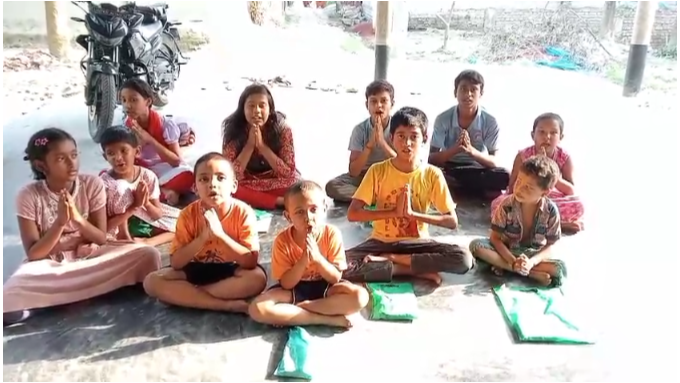
One in 5 teachers in rural Bangladesh government schools lacks professional qualifications. The shortage is so severe that many schools cannot even meet the basic teacher-to-student ratio of 1:46 set by education authorities, let alone the international standard of 1:30.
This teacher crisis affects millions of rural children who desperately need quality education. According to the 2024 UNICEF report, rural schools consistently struggle with teacher absenteeism, insufficient training, and low retention rates. The result? 20% of children still fail to complete primary education, and 50% of Grade 5 students cannot read at their grade level. Organizations like Bhagavad Gita schools in rural Bangladesh are demonstrating innovative approaches to this challenge.
Rural education suffers when schools cannot attract qualified staff. Teachers often prefer urban assignments with better pay, infrastructure, and career advancement opportunities. Those who do work in rural areas frequently lack proper training or treat their positions as temporary stepping stones.
This creates a vicious cycle. Poor teaching quality leads to low student engagement and high dropout rates. Communities lose faith in formal education, and parents may prioritize immediate economic needs over long-term learning. Children, particularly girls, face increased risks of child labor or early marriage when schools fail to provide meaningful education.
The UNICEF research reveals that children not attending school are significantly more likely to engage in child labor. Without effective teachers to make education relevant and engaging, rural communities continue to struggle with these interconnected challenges.
Successful rural education programs employ specific approaches to overcome teacher shortages. Understanding these strategies can help other initiatives address similar challenges.
Effective rural education programs recruit teachers who understand local contexts and are committed to community development. Rather than relying solely on external candidates, they identify and train local talent who have personal connections to the area. This reduces turnover and increases teacher investment in student success.
Programs that frame teaching as meaningful work rather than just a job tend to attract more dedicated candidates. When teacher training emphasizes personal purpose and community impact alongside pedagogical skills, it creates stronger motivation for long-term commitment to rural positions.
Successful rural education initiatives provide teachers with ongoing professional development, peer support networks, and resources that government programs often lack. This includes mentorship programs, regular training updates, and recognition for teaching excellence.
The most effective rural teacher recruitment happens at the community level. When local leaders, parents, and organizations actively participate in identifying and supporting potential teachers, programs achieve better results.
Some communities establish teacher housing, provide additional compensation through local fundraising, or create social recognition programs for educators. Others partner with training institutions to offer scholarized education for local candidates who commit to returning as teachers.
These grassroots approaches work because they address the real barriers rural teachers face: social isolation, limited resources, and lack of community support. When communities invest in their teachers, those teachers invest back in student success.
Rural education needs systemic change, but successful local models provide blueprints for broader implementation. The teacher shortage crisis requires innovative approaches that go beyond traditional recruitment and training methods.
Policy makers and education organizations can learn from values-based programs, community-centered recruitment, and comprehensive teacher support systems. These approaches demonstrate that rural areas can attract quality teachers when programs address both professional and personal motivations.
The key lies in recognizing that rural education is not just about delivering curriculum content but about building community capacity and creating meaningful opportunities for both teachers and students.
For communities struggling with teacher shortages, examining successful models like transformative Bhagavad Gita schools can provide practical insights for developing their own solutions. The path forward requires creativity, community commitment, and recognition that quality rural education depends on quality rural teachers.


