Falls now kill seniors at record rates – with deaths rising 41% since 2012 – but new research reveals a surprisingly simple home exercise routine that cuts fall risk by nearly a quarter in just weeks.
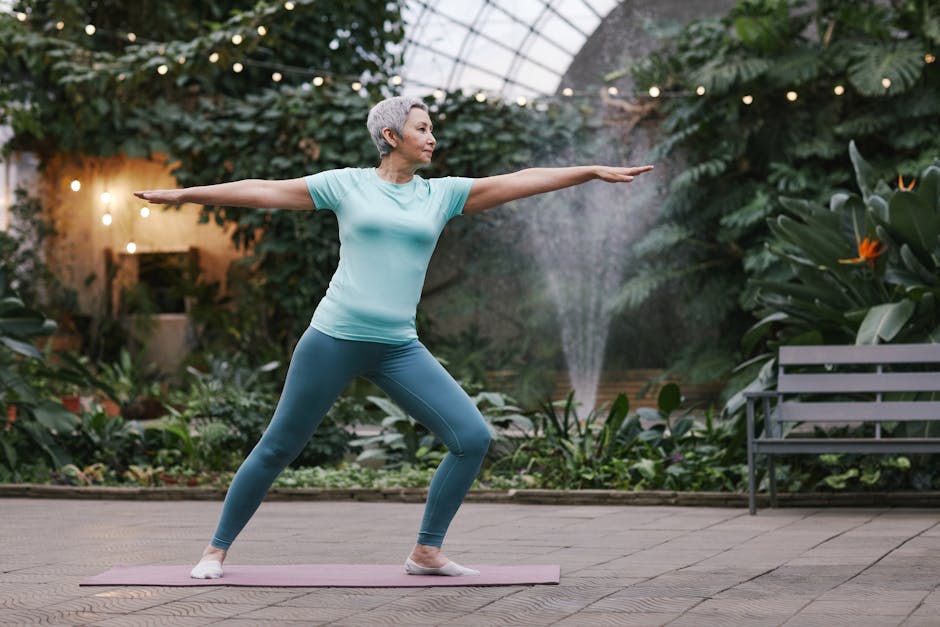
Falls represent one of the most serious health threats facing older adults today, but the solution may be simpler than many realize. John Hopkins Medicine suggests that targeted balance training exercises, performed regularly at home, can dramatically reduce fall risk while helping seniors maintain their independence and quality of life.
And physical health is just the beginning - data from the Alzheimer's Research & Prevention Foundation indicates that ongoing exercise can effectively halve the risk of developing dementia. As such, working out could be the key to protecting the body and mind alike.
The statistics paint a sobering picture of fall-related injuries among older adults. According to CDC data, falls are now the leading cause of injury deaths in seniors, with the death rate reaching 78 per 100,000 people in 2021 - representing a staggering 41% increase from 2012. These aren't just minor tumbles; falls cause serious injuries that can permanently alter a person's ability to live independently.
Beyond the mortality statistics, falls create a cascade of health complications. One in four older Americans falls every year, and many of these incidents result in fractures, head injuries, and a loss of confidence that leads to reduced activity levels. This creates a dangerous cycle where fear of falling causes seniors to become less active, which actually increases their fall risk over time.
The economic impact mirrors the human cost, with fall-related medical expenses exceeding billions annually. However, targeted fitness programs offer a proven path to breaking this devastating pattern. The good news is that falls are largely preventable through evidence-based exercise interventions that seniors can perform safely at home.
Multiple studies demonstrate that balance training can significantly reduce fall risk in seniors aged 65 and older, with studies showing risk reductions of up to 23%. This remarkable reduction comes from exercises that specifically target the body systems responsible for maintaining stability during daily activities. Research published in leading medical journals consistently shows that seniors who engage in regular balance training experience fewer falls, less severe injuries when falls do occur, and greater confidence in their mobility.
Balance exercises engage multiple muscle groups simultaneously, particularly those in the back, abdomen, and legs that support the joints and maintain posture. This multi-muscle strengthening approach addresses muscle weakness that naturally occurs with aging, helping seniors maintain the physical foundation needed for stable movement. Strong core muscles act as the body's natural stabilizer, while robust leg muscles provide the power needed for quick corrective movements.
Balance training strengthens the nervous system's ability to coordinate muscle responses quickly and effectively. As people age, reaction times naturally slow, making it harder to recover from unexpected balance challenges like uneven sidewalks or pets darting underfoot. Regular balance exercises help maintain and even improve these critical reaction times by training the brain and muscles to work together more efficiently.
Tai Chi stands out as one of the most effective balance training methods for seniors, combining gentle movements with mindfulness to improve both physical and mental well-being. The slow, flowing movements of Tai Chi improve balance, flexibility, and muscle strength while significantly reducing fall risk. Research shows that seniors who practice Tai Chi regularly experience notable improvements in their overall balance and stability within just a few months.
Chair yoga provides a safe entry point for seniors who may feel unsteady standing during traditional balance exercises. This modified form of yoga improves muscle strength, mobility, and flexibility while building confidence in movement. Chair yoga participants show measurable improvements in balance and report better quality sleep and reduced depression symptoms.
Resistance bands offer a versatile, low-impact way to build the muscle strength needed for fall prevention. These portable tools allow seniors to target specific muscle groups that support balance, including the core, hips, and ankles. Resistance band exercises can be easily modified by adjusting tension levels, making them suitable for different strength levels and physical limitations.
Walking remains one of the most accessible and effective exercises for improving balance and overall health in seniors. A structured walking program helps maintain cardiovascular fitness while providing opportunities to practice balance skills in real-world environments. Walking on different surfaces and adding direction changes naturally challenges balance systems in a functional way.
The CDC recommends that adults 65 and over engage in at least 150 minutes of moderate-intensity aerobic activity weekly, along with specific balance and strength exercises. This recommendation is based on extensive research showing that this level of activity significantly reduces fall risk while providing broader health benefits. The 150 minutes can be broken down into manageable sessions throughout the week, making it achievable for most seniors.
Meeting this standard doesn't require gym memberships or expensive equipment. Brisk walking counts toward the aerobic requirement, while the specific balance exercises can be performed at home using body weight and simple props. The key is consistency rather than intensity, with research showing that regular moderate activity provides more benefit than sporadic high-intensity sessions.
Beyond the general activity recommendation, seniors should perform specific balance exercises at least twice weekly for optimal fall prevention benefits. These focused sessions should target the specific systems responsible for maintaining stability, including proprioception, strength, and coordination. Research indicates that twice-weekly sessions provide the minimum effective dose, though more frequent practice can accelerate improvements.
Each balance training session should last 15-30 minutes and include exercises that progress from simple to more challenging movements. Starting with supported exercises and gradually reducing support as confidence builds allows seniors to safely advance their skills. The twice-weekly frequency allows adequate recovery time while maintaining the stimulus needed for continued improvement.
Research consistently shows that combining strength and balance exercises yields the best overall results for reducing fall risk and maintaining walking ability into later years. This integrated approach addresses both the physical strength needed for stability and the neuromuscular coordination required for quick balance corrections. Programs that combine both elements show superior results compared to either approach alone.
An effective combined program might include resistance band exercises followed by standing balance challenges, or strength training circuits that incorporate balance elements. This approach maximizes training time efficiency while ensuring that both components receive adequate attention. The combination also keeps workouts interesting and engaging, supporting long-term adherence to the exercise program.
Beginning a balance training program represents one of the most important steps seniors can take to maintain their independence and safety. The evidence overwhelmingly supports the effectiveness of these interventions, with studies showing measurable improvements in balance, strength, and confidence within just a few weeks of starting a program. The key is taking that first step and committing to consistency rather than perfection.
Before starting any new exercise program, seniors should consult with their healthcare provider to ensure the activities are appropriate for their current health status and any existing conditions. A physical therapist can provide valuable guidance on specific exercises and progressions tailored to individual needs and limitations. This professional input helps ensure safety while maximizing the benefits of balance training.
The investment in balance training pays dividends that extend far beyond fall prevention. Participants consistently report increased confidence, better sleep, reduced joint pain, and an overall sense of vitality that improves their quality of life. By following simple exercises and guidelines, experts advise that seniors can take control of their fall risk and maintain the active, independent lifestyle they deserve.


