Bag-in/bag-out air filtration systems protect workers during filter changes in hazardous environments, but understanding when and why they’re needed makes all the difference.
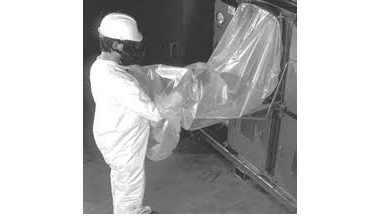
You've probably changed an HVAC filter at home without giving it much thought. But what happens when that filter contains radioactive particles, pharmaceutical compounds, or toxic industrial chemicals? Suddenly, swapping out filters becomes a high-stakes procedure that requires specialized equipment and training. That's the world of bag-in/bag-out filtration systems.
These aren't your typical HVAC filters. Bag-in/bag-out air filtration systems are designed specifically for environments where contaminated filters pose serious health risks. The technology creates a sealed containment system that prevents hazardous particles from escaping into the air when filters need replacement. It's essentially a protective barrier between dangerous materials and the people handling them.
Pharmaceutical manufacturing facilities use these systems to contain potent drug compounds during production. One stray particle of certain medications could cause serious health problems for workers. Hospitals and medical research labs rely on them when handling infectious agents or conducting sensitive procedures. Nuclear power plants use BIBO systems to filter radioactive particles, and certain manufacturing operations need them for controlling toxic chemical exposure.
The American Industrial Hygiene Association emphasizes that proper containment during filter changes is essential in high-risk environments. Standard filter replacement methods simply don't provide adequate protection when dealing with hazardous substances. BIBO technology addresses this challenge by keeping contaminated material sealed throughout the entire removal and disposal process.
You might think changing a filter is changing a filter, but BIBO systems require specific protocols. One wrong move can breach containment and expose workers to whatever's been caught in that filter. Certified technicians receive training on proper sealing techniques, pressure management, and safe disposal procedures. They understand how to verify containment integrity before starting work and how to troubleshoot problems without compromising safety.
Pure Filtration Products notes that facilities often discover their in-house maintenance staff lacks the specialized knowledge needed for BIBO systems. It's not a reflection on those employees; it's just outside their usual scope of work. Having trained specialists handle these filter changes reduces risk and helps facilities maintain regulatory compliance without requiring extensive internal training programs.
Some facilities hesitate to bring in outside technicians, thinking it's an unnecessary expense. But consider what's at stake: worker safety, regulatory fines, potential shutdowns, and liability issues if something goes wrong. The cost of proper filter servicing pales in comparison to the potential consequences of contamination incidents.
If your facility uses bag-in/bag-out systems, make sure whoever's handling those filter changes knows what they're doing. Whether that's through comprehensive internal training or partnering with certified filtration specialists, the important thing is having people who understand the unique challenges these systems present. Your workers' health and your facility's compliance depend on it.


