Automate Your Multi-Media Marketing Pipeline With AI: The Definitive Guide

Aug 29, 2025

Transform your scattered marketing efforts with AI automation tools that save over 25 hours weekly, decrease customer acquisition costs by 65%, and enable personalized experiences at scale. Learn how to build a cohesive, data-driven multimedia marketing system that delivers measurable results.
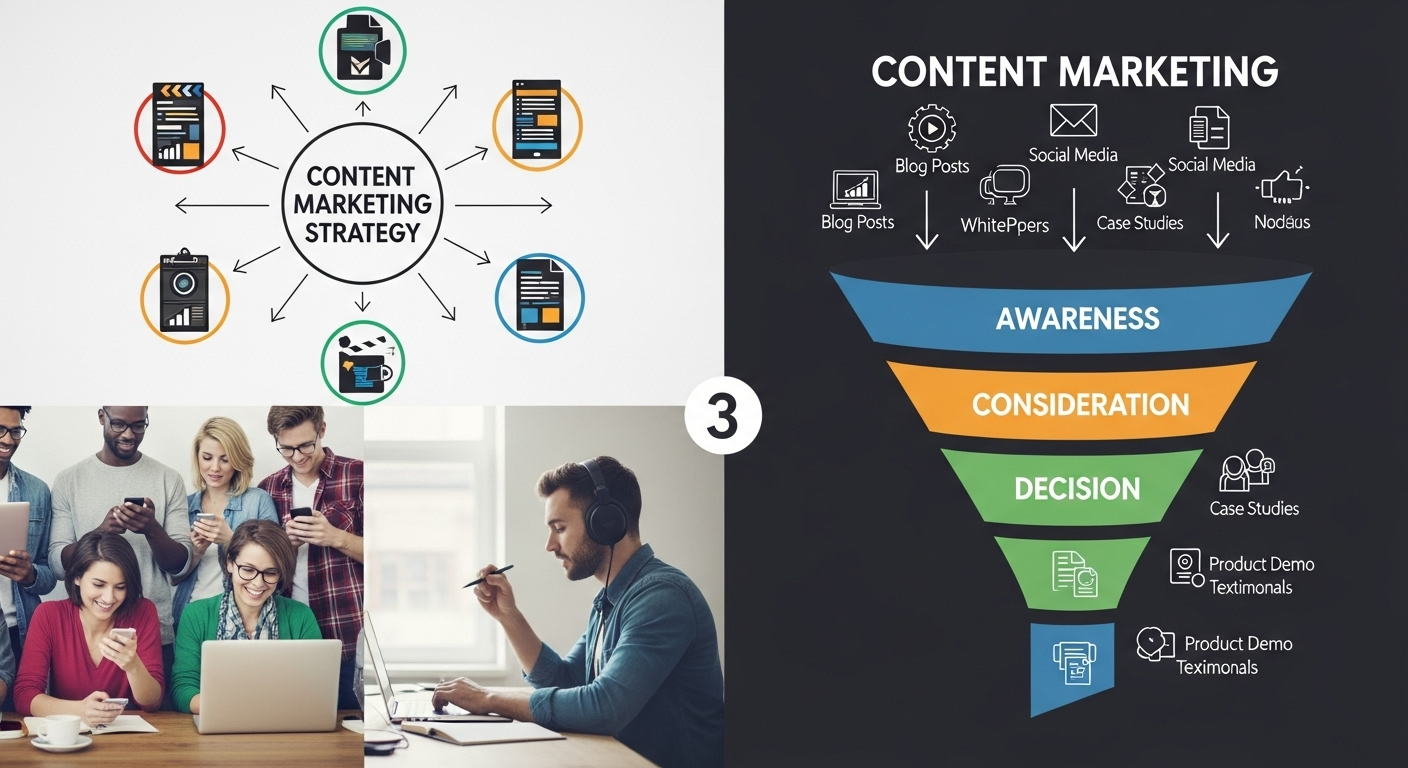
Key Takeaways - Marketing teams can save over 25 hours per week by implementing AI-powered automation tools across their multimedia marketing channels.

  • Companies like Domino's have decreased customer acquisition costs by 65% through data-driven personalization and automation strategies.
  • A Customer Data Platform (CDP) creates a unified view of customer behavior across channels, enabling real-time personalized marketing at scale.
  • Effective multimedia marketing automation requires careful channel selection, clear customer journey mapping, and consistent performance measurement.
  • Implementing an automated marketing pipeline helps transform scattered marketing efforts into a cohesive, data-driven system that can scale with your business.

Transform Your Marketing With AI Automation: The Immediate Impact

Marketing teams today face a daunting challenge: managing content across emails, social media, websites, video platforms, and more—all while trying to deliver personalized experiences that drive conversions. The solution isn't working harder; it's working smarter through AI-powered automation.

Multichannel marketing automation uses technology to plan, execute, and measure marketing tasks across multiple platforms. Instead of manually tracking campaigns and guessing what works, automation provides real-time insights that help you adjust quickly and maximize your ROI. The experts at Max 2 You Media have observed that businesses implementing strategic automation can transform scattered marketing efforts into powerful, cohesive systems that drive measurable results.

Proven Benefits of AI-Powered Marketing Automation

1. Reduce Costs While Increasing ROI

Automation isn't just about efficiency—it's about profitability. By eliminating repetitive tasks and providing faster insights, marketing automation helps businesses save significant resources. Domino's Pizza, for example, decreased customer acquisition costs by an impressive 65% by implementing data-driven personalization and automation strategies. This wasn't just a small tweak to their marketing; it represented a complete transformation of their approach to customer engagement.

The most successful companies recognize that automation allows them to allocate resources more strategically, focusing human creativity where it matters most while letting AI handle data processing, audience segmentation, and campaign triggers.

2. Save 25+ Hours Weekly Through Automated Workflows

Research shows that marketing teams save approximately 25 hours per week using automation tools. That's more than half a standard work week reclaimed from manual tasks like:

  • Scheduling social media posts across multiple platforms
  • Sending follow-up emails based on customer actions
  • Segmenting audiences for targeted campaigns
  • Gathering performance data from various channels
  • Creating reports for stakeholders

These routine but necessary activities can now be handled by AI-powered systems, freeing your team to focus on strategy, creative development, and relationship building—the human elements that truly differentiate your brand.

3. Personalize Customer Experiences Across Thousands of Profiles

One-to-one marketing at scale was once a pipe dream. Today, it's reality. AI-powered automation makes it possible to deliver personalized experiences to thousands—even millions—of customers simultaneously. Each customer receives messaging that reflects their preferences, behavior history, and current stage in the buyer's journey.

Automation tools can trigger tailored messages based on specific customer actions:

  • Abandoned cart emails with personalized product recommendations
  • Happy birthday offers with items related to past purchases
  • Re-engagement campaigns for customers who haven't visited in a while
  • Loyalty reward notifications based on spending thresholds

This level of personalization would be impossible to manage manually, but automation makes it not just possible but relatively straightforward to implement.

4. Capture and Analyze Real-Time Performance Data

Waiting for monthly reports to adjust your strategy is like driving forward while looking only in the rearview mirror. Modern marketing automation tools capture and analyze data in real-time, providing immediate insights into campaign performance across channels.

With real-time analytics, you can:

  • Identify which content pieces are resonating with your audience
  • Understand which channels drive the highest engagement and conversion
  • Spot trends before your competitors
  • Adjust messaging and targeting on the fly
  • Allocate budget to high-performing channels instantly

Building Your Multichannel AI Marketing System

1. Identify Your Most Valuable Marketing Channels

Not all marketing channels are created equal for your business. The first step in building an effective automated marketing pipeline is identifying which channels deliver the best results for your specific audience and objectives.

Consider factors like:

  • Where your target audience spends their time
  • Which channels have historically driven the most conversions
  • The types of content that perform best for your brand
  • Your resources for content creation and management

Start by automating your highest-performing channels first, then expand as you build capability and confidence. A focused approach on 3-4 key channels will generally outperform a scattered presence across a dozen platforms.

2. Create a Clear Customer Journey Map

Before you can automate effectively, you need to understand the path your customers take from awareness to purchase and beyond. A customer journey map visualizes this process, identifying key touchpoints where automation can enhance the experience.

Your journey map should include:

  • Entry points where customers discover your brand
  • Key decision moments in the buying process
  • Common objections or hesitations customers experience
  • Post-purchase touchpoints for retention and loyalty
  • Opportunities for cross-selling and upselling

With this map as your foundation, you can design automated workflows that guide customers through their journey, providing the right information at the right time through the right channel.

3. Select the Right Automation Software

The marketing technology landscape is vast and often overwhelming. Choosing the right automation platform is critical to your success. Look for solutions that offer:

  • Integration capabilities with your existing tools
  • User-friendly interface that your team can master
  • Scalability to grow with your business
  • Robust analytics and reporting features
  • AI capabilities for advanced personalization
  • Cross-channel campaign management

A Customer Data Platform (CDP) is often the backbone of effective multichannel marketing automation. CDPs create a unified customer profile by collecting and organizing data from multiple sources, giving you a 360-degree view of each customer's interactions with your brand across all touchpoints.

4. Implement a Robust Data Collection Strategy

Your automation is only as good as the data feeding it. Implementing comprehensive data collection across all customer touchpoints ensures your automated campaigns have the insights they need to deliver relevant experiences.

Focus on collecting:

  • Demographic information (when appropriate and with proper consent)
  • Behavioral data like website visits, product views, and purchase history
  • Engagement metrics across email, social, and other channels
  • Customer preferences and feedback
  • Campaign performance data

Ensure your data collection practices comply with privacy regulations like GDPR and CCPA, and be transparent with customers about how their data will be used to improve their experience.

5. Connect Your Website as the Central Hub

Your website typically serves as the central destination for your marketing efforts across channels. It's where conversions happen, where customers learn about your offerings, and where you can collect valuable behavioral data.

Optimize your website for automation by:

  • Implementing tracking codes to capture visitor behavior
  • Creating landing pages tailored to specific campaigns
  • Setting up forms that feed directly into your automation platform
  • Personalizing content based on visitor attributes and history
  • Establishing clear conversion paths for different audience segments

With your website properly connected to your automation system, you can create seamless experiences as customers move between channels, picking up exactly where they left off regardless of how they re-engage with your brand.

Automating Content Across Media Types

1. Custom Imagery and Infographics

Visual content captures attention faster than text alone, making it essential for effective marketing. AI tools can now help with:

  • Automatically resizing images for different platforms
  • Generating custom graphics based on brand guidelines
  • Creating variations of imagery for A/B testing
  • Suggesting visual content based on performance data
  • Scheduling image publication across channels

By automating the production and distribution of visual content, you ensure consistent branding while saving countless hours of design and publishing time.

2. Video Marketing Workflows

Video consistently delivers the highest engagement rates across platforms, but it's also one of the most resource-intensive content types to produce. Automation tools can help by:

  • Generating captions and transcripts automatically
  • Creating multiple cuts and versions from a single master video
  • Optimizing encoding for different platforms
  • Scheduling releases across channels
  • Analyzing performance metrics to inform future production

With AI assistance, even small teams can maintain a video presence across multiple channels.

3. Audio Content Distribution

From podcasts to audio ads, sound-based marketing offers unique advantages in reaching audiences during commutes, workouts, and other screen-free moments. Automation streamlines audio marketing by:

  • Converting written content to audio format
  • Distributing episodes across podcast platforms
  • Creating audiograms for social sharing
  • Transcribing audio to text for SEO benefits
  • Triggering promotional campaigns based on release schedules

4. Interactive Elements and Personalized Experiences

Interactive content drives engagement by transforming passive consumers into active participants. Automation makes interactive experiences more dynamic and personalized:

  • Creating quizzes and assessments that deliver tailored results
  • Developing product configurators that remember user preferences
  • Building chatbots that provide personalized recommendations
  • Designing interactive infographics that adapt to user behavior
  • Implementing calculators that help users see personalized value

Channel-Specific Automation Strategies

1. Email Sequences That Respond to Behavior

Email remains one of the highest-ROI channels when properly automated. Modern email automation goes far beyond basic autoresponders to create truly dynamic experiences:

  • Trigger campaigns based on website behavior patterns
  • Adjust send times to match individual recipient activity patterns
  • Dynamically swap content blocks based on recipient attributes
  • Automatically segment lists based on engagement levels
  • Re-engage inactive subscribers with personalized incentives

2. Social Media Posting and Engagement

Social media demands constant activity and rapid response, making it particularly well-suited for automation:

  • Schedule posts across multiple platforms from a central calendar
  • Automatically respond to common questions and comments
  • Identify and engage with high-value mentions and discussions
  • Repurpose content across platforms in platform-appropriate formats
  • Analyze performance in real-time to optimize posting schedules

3. SMS and Push Notification Triggers

Directly reaching customers on their mobile devices offers unparalleled immediacy but requires careful timing and relevance:

  • Trigger location-based messages when customers are near physical locations
  • Send time-sensitive offers based on previous purchase patterns
  • Deliver order and shipping updates automatically
  • Create abandoned cart recovery sequences
  • Implement two-way messaging for customer service

4. Website Personalization Based on User Data

Your website should adapt to each visitor, creating an experience that matches their interests and intent:

  • Display dynamic content based on traffic source or previous visits
  • Personalize product recommendations based on browsing history
  • Adjust calls-to-action based on customer lifecycle stage
  • Show location-specific information automatically
  • Implement progressive profiling to gather additional data over time

Measuring and Optimizing Your Automated Pipeline

1. Setting Up Cross-Channel Analytics

The true power of multichannel marketing automation comes from understanding how channels work together, not just how they perform individually:

  • Implement unified tracking across all marketing channels
  • Create dashboards that show the complete customer journey
  • Analyze attribution models to understand channel contributions
  • Track cross-channel conversion paths
  • Measure the impact of automation on key business metrics

2. Testing Different Messages and Formats

Automation makes continuous testing and optimization possible at scale:

  • Run A/B tests simultaneously across multiple channels
  • Test different content formats for the same message
  • Experiment with timing and frequency of communications
  • Try different personalization approaches
  • Optimize calls-to-action through systematic testing

3. Calculating True ROI Across Channels

Understanding the full financial impact of your marketing automation requires looking beyond simple metrics:

  • Measure direct revenue generated from automated campaigns
  • Calculate time and resource savings from automation
  • Assess the lifetime value impact of improved customer experiences
  • Analyze cost reductions in customer acquisition
  • Track efficiency improvements in marketing operations

Action Plan: Implementing Your AI Marketing Automation Today

Ready to transform your marketing with AI-powered automation? Here's your roadmap to get started:

  1. Audit your current channels and performance - Identify what's working, what's not, and where automation can make the biggest impact.
  2. Select your automation platform - Choose a solution that integrates with your existing tools and meets your specific needs.
  3. Start with one high-impact workflow - Begin with a single channel or process where automation will deliver immediate value.
  4. Build your customer data foundation - Implement proper tracking and unify your customer data across channels.
  5. Create templates and processes - Develop standardized approaches for content creation and campaign execution.
  6. Train your team - Ensure everyone understands how to use the new tools and processes effectively.
  7. Measure, learn, and expand - Track results, apply learnings, and gradually automate additional channels and processes.

The future of marketing isn't about choosing between human creativity and AI efficiency—it's about harnessing both in harmony. By automating routine tasks and data analysis, you free your team to focus on strategy and creativity, ultimately delivering more personalized, effective marketing at scale.



Web Analytics