How do you sell sneakers, streaming platforms, or even insurance in 2025? Not by shouting louder, but by telling a story that feels true — and making sure algorithms don’t strip out the humanity in the process. And yet, AI is changing brand image.
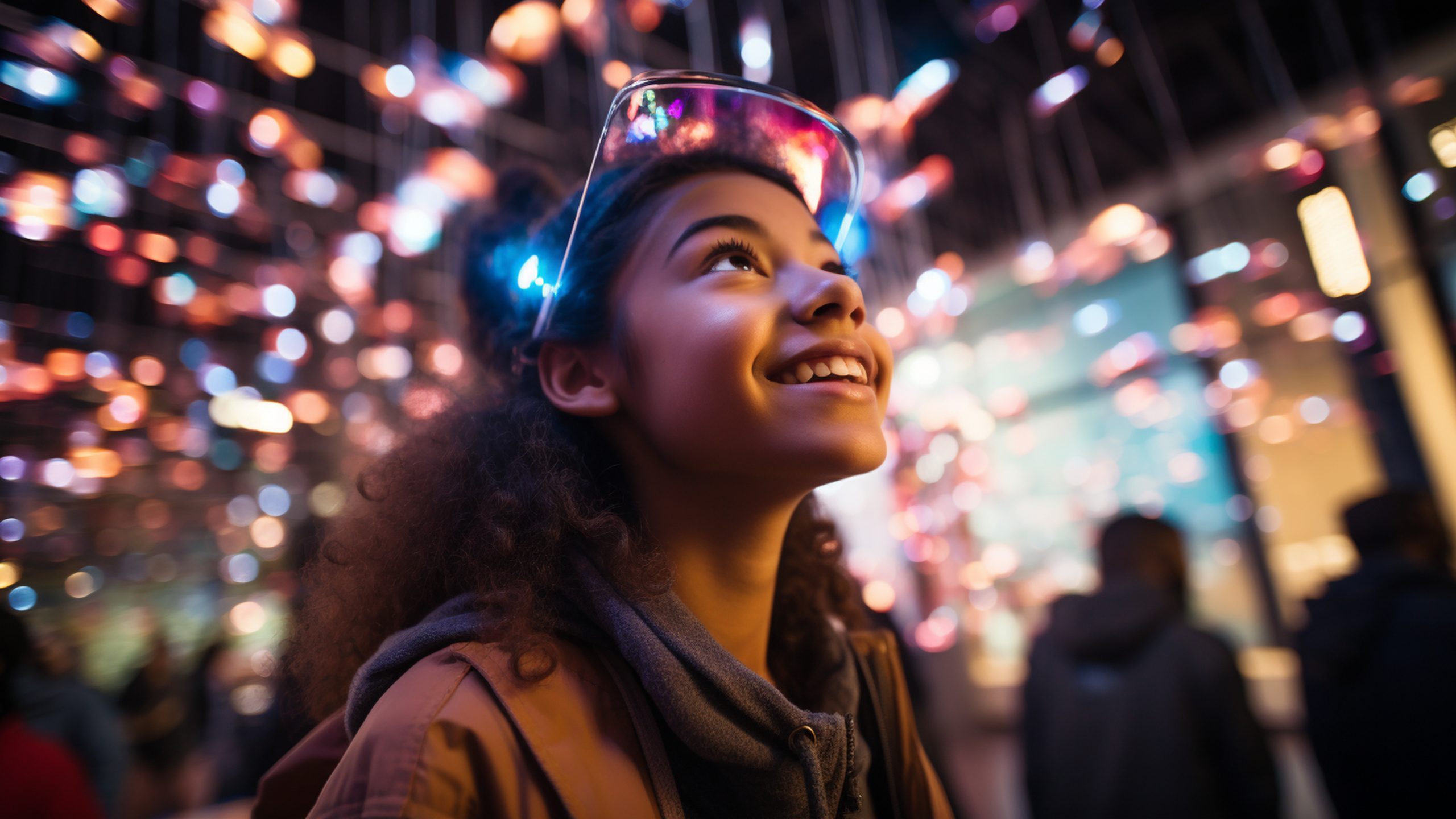
Marketers used to run on gut instinct, big budgets, and the kind of marathon production cycles that chewed up quarters at a time. That was the old operating system. Now AI has rewritten the code. Campaigns that would've once lumbered along for half a year can be spun up in weeks—sometimes days—collapsing the distance between brainstorm and brand launch.
At this year's Cannes Lions, global brand leaders debated both the opportunity and the risk: AI can make marketing faster and cheaper, but can it deliver the trust and authenticity that customers demand?
California marketing agency London : Los Angeles (LO:LA) leans hard into that question. Their answer is sharp, but also sharply divisive. Everyone agrees that creativity and authentic storytelling are the foundation of profitability. What they disagree about is whether AI should be allowed to redefine what's considered 'creative'.
It was once said that people don't just buy products; they buy experiences. Now, they're looking to buy meaning. Patagonia doesn't just sell jackets — it tells stories of environmental stewardship. Red Bull isn't just an energy drink — it markets itself as a symbol of wild stunts and fearless ambition. LEGO turned a financial crisis into growth by telling playful, human stories in films and video games.
The agency makes the case that proper brand management isn't about flashy one‑offs; it's about weaving identity, storytelling, and rollout into a single, seamless narrative. Consider the Nike swoosh or Dove's "Real Beauty" campaign and how they built it around the strength of a creative concept.
It's a lesson amplified by Toast Studio's 2025 roundup of storytelling campaigns featuring Patagonia, Travel Oregon, and Yara International, where authenticity generated both emotional resonance and measurable economic growth.
AI is powerful, but it also tempts brands into shortcuts:
In other words: efficiency without authenticity is just noise — automated noise.
So how should brands navigate this moment? Here's what experts recommend:
Gen Z and Gen Alpha, raised in an age of deepfakes and misinformation, are relentless skeptics. They reward brands that acknowledge and address uncomfortable truths. Undercooked concepts and questionable values no longer have an impact, and it shows in a way that hurts profit margins. Campaigns by Dove and Starbucks are prime examples of campaigns that lean into openness and community to build loyalty.
Authentic stories should flow through every touchpoint — from a brand's visual identity to its customer service scripts. Apple's genius is in making innovation feel inevitable. From minimalist packaging that demands an unboxing video to 'try me' retail spaces, every touchpoint tells the same story: creativity in design and experience is non‑negotiable.
AI can generate variations, speed testing, or content scaffolds, but the creative spark must remain human. As LinkedIn's creator-led storytelling shift shows, audiences crave voices with personality, not bots.
A cohesive brand experience means the online ad, the Instagram feed, the customer email, and even the product packaging all tell the same authentic story. Inconsistency, not budget size, is what fractures brand trust. AI can help and even support nuanced campaign decision-making, but a creative idea (even one that chooses X platform over Y) needs human thought.
Much like debating DIY lawn care versus hiring a landscaper, today's brands face a similar calculus:
Creativity integrated with strategy elevates the brand voice and doesn't gamble away precious brand equity.
In 2025, authenticity in storytelling is a permanent part of the business model. The brands that thrive will be those that use AI wisely but never outsource their humanity.
Marketing experts at LO:LA explain that creativity is "not a nice-to-have… It's a must-have." Companies that double down on creativity and authenticity will find that it pays in the most enduring currency: trust.
For deeper insights on how to integrate creativity and storytelling into a trust economy and eventually, profitable brand management, click here.


