At-home microneedling kits are trending—but are they worth the risk? We break down what dermatologists and aesthetic professionals want you to know before rolling anything across your face.
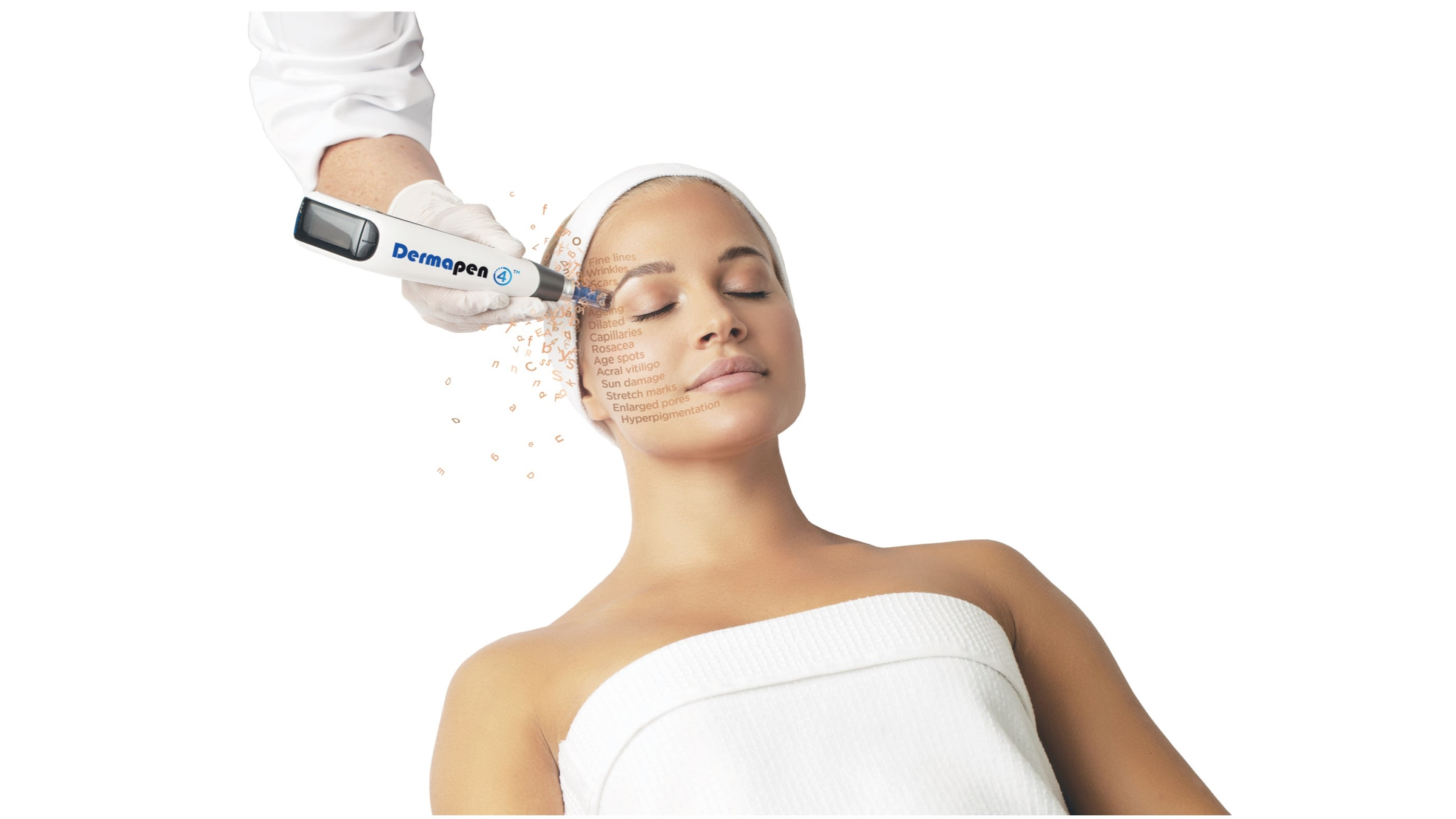
Whether you're dealing with acne scars, fine lines, or sun damage, microneedling has become a go-to treatment for skin rejuvenation. But with the rise of affordable at-home rollers and pens, many are left wondering: do DIY devices deliver real results—or should you leave it to the pros?
We looked into what the science says, what the risks are, and how professional approach treatment differently.
The global microneedling market is rapidly expanding, with the alone valued at USD 600 million in 2024, and projected to reach USD 1.2 billion by 2033. This growth is fueled by demand for non-surgical solutions for wrinkles, acne scars, and pigmentation issues—plus a wave of innovation in device design, from AI-driven smart pens to biodegradable microneedles.
One reason for microneedling's popularity? Clinical studies show it can boost collagen and elastin production , promoting smoother, firmer, and more even-toned skin.
According to the U.S. FDA, no microneedling devices with deep penetration have been cleared for over-the-counter use. Using unregulated or reused cartridges at home can increase the risk of infection, cross-contamination, or skin damage.
"DIY microneedling may help with product absorption, but it often lacks the precision and safety measures of clinical treatment," says one Swiss-based aesthetic doctor. "For deeper concerns like scars or pigmentation, it's best handled by trained professionals."
Professional clinics use FDA/CE-cleared devices with sterile, single-use tips and precise depth control. Treatments are performed in clean, controlled environments—often enhanced with ultrasound imaging and customized serums—to deliver optimal results safely.
Some clinics, like Zurich-based , use advanced systems such as the DermaPen 4 Pro—which creates millions of micro-channels at speeds 104% faster than traditional pens and delivers 80% more nutrients into the skin. Combined with tools like the Clarius ultrasound and 3D skin analysis systems, patients receive a treatment that's personalized and data-informed from start to finish.
While at-home rollers may offer light exfoliation and mild texture improvement, professional microneedling is more appropriate for:
In-clinic procedures also offer shorter treatment cycles—typically 3-6 sessions spaced 6-8 weeks apart—with most patients seeing visible improvements after just one visit. Downtime is minimal, with redness subsiding within 12-48 hours.
Emerging trends show a shift toward smart microneedling devices with AI-driven feedback, biodegradable needles for sustainability, and even drug-infused cartridges that deliver peptides or growth factors directly into the dermis.
Clinics that invest in next-gen technology and diagnostic tools are positioned to lead this new wave of skin health—offering not just rejuvenation, but regeneration.
If your goal is long-term skin transformation—and not just a temporary glow—professional microneedling is the safer, more effective route. It offers deeper, lasting results with expert oversight, making it a smart investment for anyone serious about their skin.
Thinking about microneedling but unsure where to start? Consulting a can help you understand your skin's needs—and the safest way to meet them.


