Understanding the true cost difference between asphalt and concrete driveways requires looking beyond installation prices to include 20-year maintenance costs and New Jersey’s unique climate challenges.
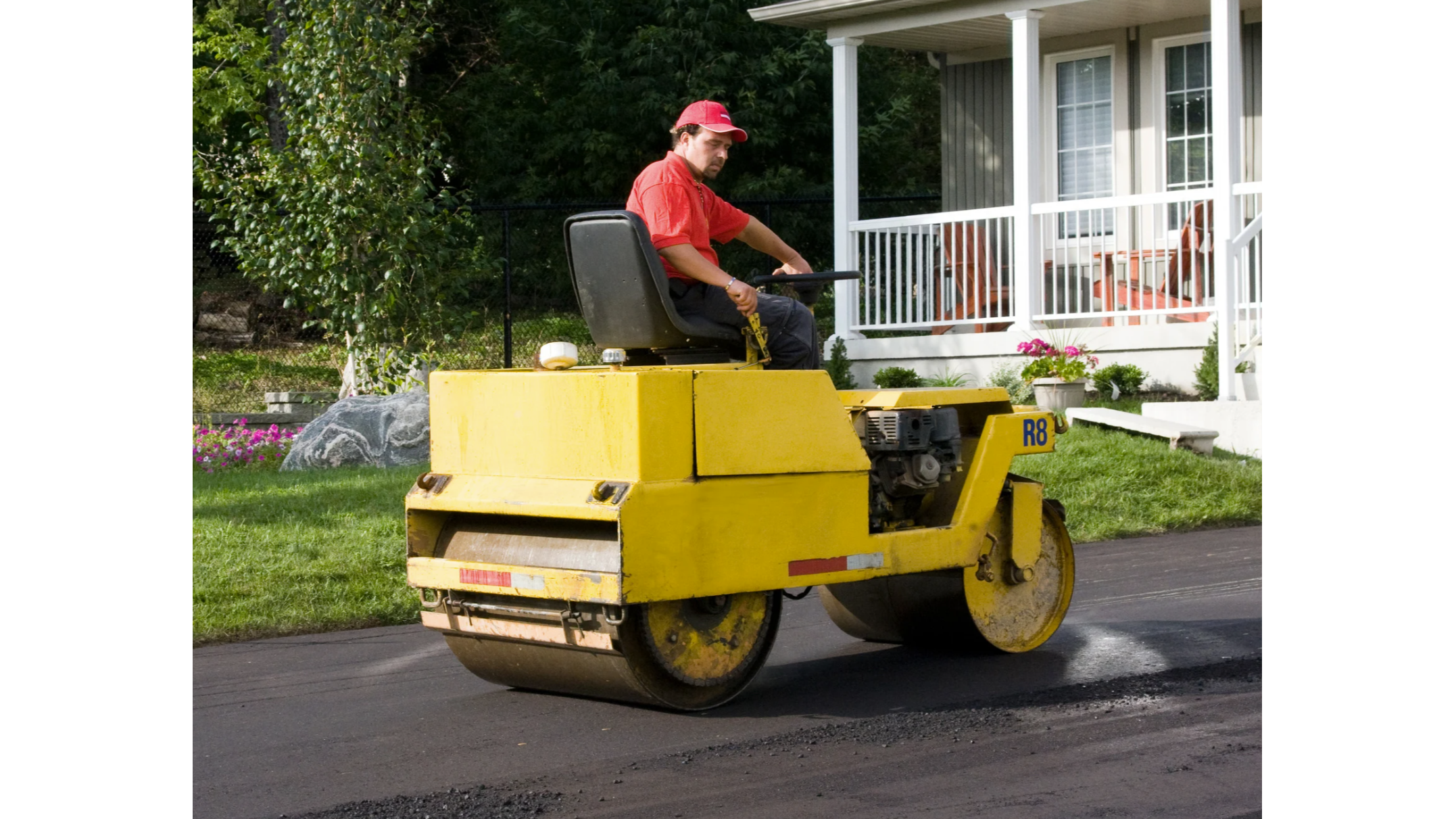
You're standing in your driveway looking at that cracked, stained surface thinking "this has to go." Then you get three quotes and realize a new driveway costs more than your last vacation. Sound familiar?
Most homeowners focus only on upfront installation costs and get blindsided by hidden expenses. You see "$5 per square foot" for asphalt versus "$10 per square foot" for concrete and think the choice is obvious. But that's where the surprises begin.
The real cost factors that catch homeowners off-guard include long-term maintenance expenses that can double your investment, climate-specific performance issues that shorten lifespan in New Jersey's harsh winters, and how project size and timing can dramatically affect your per-square-foot pricing. It’s important to get quotes from local experts who can help you determine your actual expected costs, but here are some averages across New Jersey in 2025.
Based on current New Jersey pricing data, here's what you can expect to pay for a new driveway:
For a typical 600-square-foot two-car driveway:
That's a difference of $1,200 to $3,000 upfront - significant enough to influence most homeowners' decisions.
Here's where the story gets interesting. While asphalt costs less initially, asphalt typically requires more maintenance than concrete as it is softer and breaks down faster.
The surprising result? When you add installation plus 20-year maintenance costs, the totals become nearly equal:
New Jersey's climate creates unique challenges that significantly impact driveway performance. Our state experiences freeze-thaw cycles that can be brutal on certain materials.
Water seeps into small cracks, freezes and expands, then thaws and contracts. This repeated process enlarges cracks and can destroy driveways prematurely.
Asphalt handles freeze-thaw cycles better, making it the best choice for northern driveways, while concrete will sustain damage more quickly than asphalt in cold climates.
This climate factor alone can shift the cost equation significantly. A concrete driveway that needs major crack repairs every 5-7 years due to freeze damage can quickly exceed asphalt's total cost.
Larger driveways benefit from economies of scale. A small 20×20 driveway in a neighborhood like Denville will obviously cost less than a 100-foot-long country driveway, but the per-square-foot price often decreases as size increases.
Spring, summer, and early fall are peak seasons for asphalt work, with higher demand driving up prices. Winter installations might save you 10% to 15%, though weather conditions can limit work options.
Don't forget about the foundation. If you need to tear out an old, damaged driveway first—or if there are drainage issues to fix—that can add to the cost. Removal typically adds $2 to $6 per square foot to your project.
Some towns, like Parsippany or Randolph, require driveway permits. Permit fees usually range from $50 to $200 depending on your township.
Before you decide between asphalt and concrete, get quotes for both materials and ask these specific questions:
The choice between asphalt and concrete isn't just about upfront costs - it's about understanding the total investment over time, and how materials perform in New Jersey's climate. So before you make a decision, contact a local contractor, like Quality Paving & Masonry, for professional guidance.


