Storms can lift, crease, or bruise asphalt shingles. Learn what damage you can check from the ground, what contractors find on closer inspection, and when repair or full replacement is the safer choice.
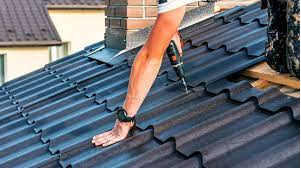
An asphalt shingle roof works as a system: shingles, underlayment, flashing, and nails all share the load. Gulf storms test each part. Strong gusts can lift edges and break the self-seal. Hail knocks off protective granules. Wind-driven rain finds weak spots at valleys, vents, and walls, leading to slow leaks that may appear far from the entry point.
After a storm, a careful walk-around helps spot issues without climbing ladders. Look for missing tabs, lifted edges, debris on the roof, sagging sections, dented gutters, or piles of granules near downspouts. Galveston County Roofing explains that licensed roofing contractors are trained to find the types of damage you can’t see from ground level, so it’s always worth getting a professional opinion.
During storm season, strong winds and hail hit the Gulf and many other areas. Wind can break the seal holding shingles down and leave nail holes exposed. Hail can bruise the shingle layer so it wears out sooner. Once those weak points exist, rain can sneak under the surface. Regular checks and quick drying limit damage.
Some problems aren’t obvious from the ground. A creased shingle might stick back down yet still leak. Nails can rise or rip through the shingle layer. Ridge caps, valleys, and metal flashing take the most stress. Rubber vent boots dry out and crack. A trained roofer can safely check fasteners, soft spots, and the underlayment you can’t see.
Roofers look at the roof’s age, the shingle brand, and how damage is spread. If a newer roof has a solid deck and the problem is in a small area, a repair can work. If damage is widespread, the roof is near the end of its life, or the deck and flashing are damaged, replacement is safer and sometimes required by code and warranties.
Write down the date, storm details, and take clear photos. Use temporary covers only as needed and keep them safe. Insurers often treat cosmetic and functional hail damage differently, so good records help with claims. Ask for a written scope, itemized materials, and photo logs from contractors. These make bids easier to compare and prevent surprises when you schedule the work.
Document roof conditions from the ground, and avoid walking on wet surfaces; only use tarps if it’s safe. Ask for a clear, written assessment to plan repairs or, if needed, an asphalt shingle roof replacement estimate. Galveston County Roofing notes that choosing a reputable contractor keeps decisions based on facts, not guesswork or pressure.


