Intimidated by traditional deadlifts? The sumo variation with dumbbells might be your perfect entry point into strength training. Research shows this beginner-friendly exercise reduces lower back stress by 20-25% while delivering impressive muscle-building results across multiple body parts.
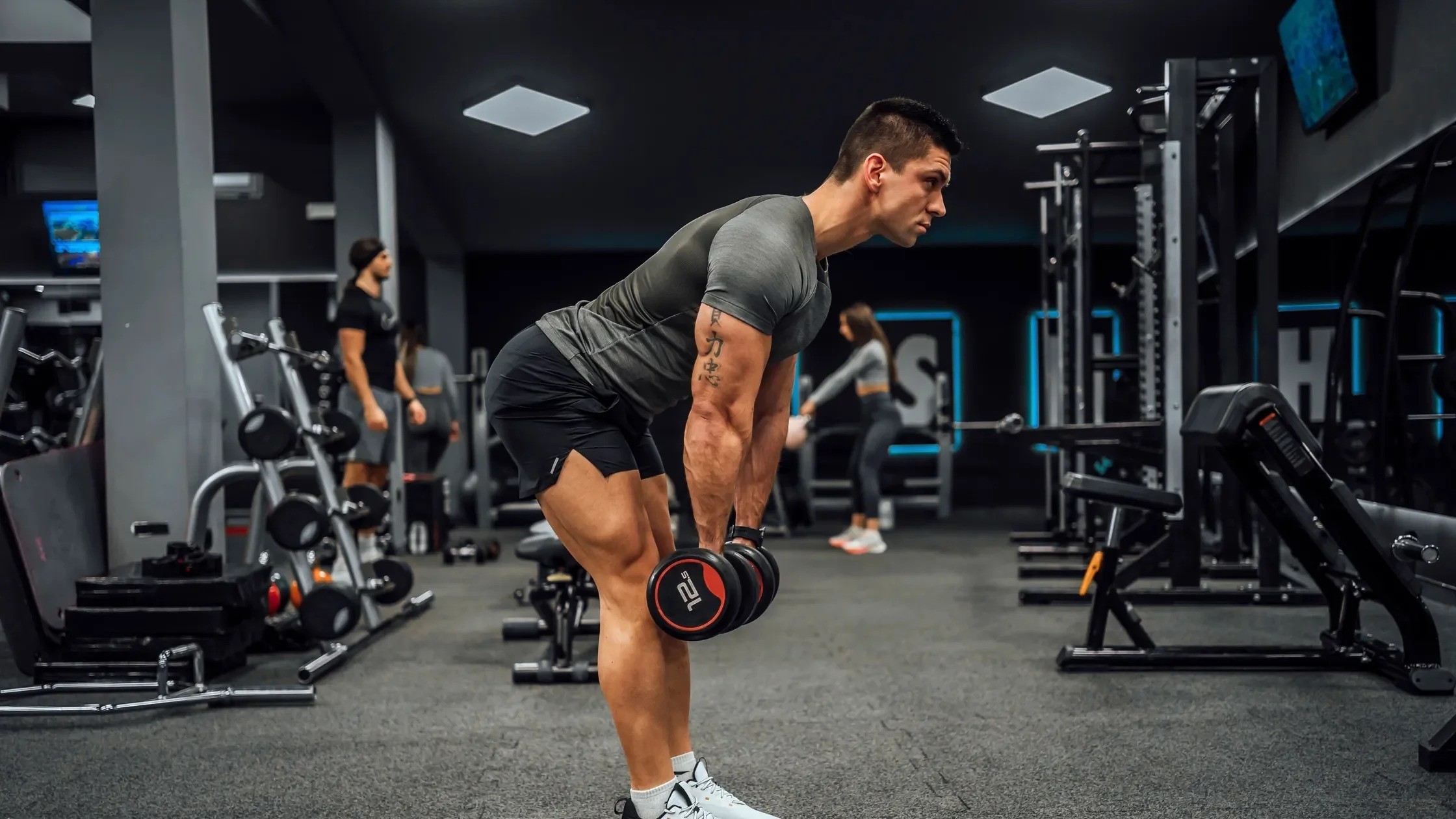
For beginners intimidated by traditional deadlifts or those dealing with lower back concerns, dumbbell sumo deadlifts offer an excellent entry point into serious strength training. This variation delivers impressive muscle-building benefits while being more forgiving on the body than its barbell counterpart.
The dumbbell sumo deadlift stands out as one of the most accessible strength training exercises for newcomers to the gym. Unlike conventional deadlifts that demand precise bar positioning and complex movement patterns, this variation simplifies the learning curve while delivering substantial results.
The wider stance inherent to sumo positioning creates a stable base that naturally accommodates different body types and mobility limitations. Beginners often struggle with the hip mobility required for conventional deadlifts - but the sumo stance places the hip joint in a more comfortable position, especially for those with tight hips.
Research indicates that sumo deadlifts can be effective for beginner lifters and those with specific body types. The dumbbell variation takes this accessibility one step further by eliminating the technical complexity of barbell positioning. SOLE Fitness provides detailed guidance on proper dumbbell sumo deadlift technique, helping beginners master this foundational movement safely.
Proper technique forms the foundation of safe, effective dumbbell sumo deadlifts. Each phase of the movement requires careful attention to detail, creating the muscle memory necessary for consistent performance.
Stand with your feet about twice shoulder-width apart, toes pointed outward at roughly 45-degree angles. This wide stance creates the stability platform that makes sumo deadlifts so beginner-friendly.
Position your dumbbell directly beneath your center of gravity on the floor. The weight should sit between your feet, not in front of them. This positioning ensures optimal leverage throughout the movement and reduces unnecessary stress on the lower back.
Check that your knees track in line with your toes throughout the setup. This alignment prevents knee cave - a common mistake that can lead to injury while reducing the exercise's effectiveness.
Ready to touch the weight? Establish proper spinal alignment by pulling your shoulders back and engaging your core muscles. Think about creating a "shield" around your midsection by breathing deeply into your diaphragm and maintaining that tension.
Hinge at your hips while keeping your chest up and shoulders directly over the dumbbell. Your spine should maintain its natural curves - neither rounded forward nor excessively arched backward. This neutral position protects your back while maximizing power transfer.
Grip the dumbbell firmly with both hands, ensuring your arms remain straight throughout the movement. Your shoulders should be positioned directly over or slightly ahead of the weight before initiating the lift.
Start the lift by pushing the floor away with your feet, focusing the force through your heels while keeping your entire foot planted. Your hips and shoulders should rise together, maintaining the same back angle established during setup.
As the dumbbell passes knee level, shift focus to driving your hips forward by powerfully contracting your glutes. This hip drive is what "locks out" the movement at the top position. Resist the temptation to lean backwards at lockout, which places unnecessary stress on the spine.
Keep the dumbbell close to your body throughout the ascent. The weight should travel in a straight vertical line, not drift away from your center of gravity.
Lower the weight by initiating movement at your hips, pushing them backwards while maintaining your neutral spine. Control the descent just as carefully as the ascent - this eccentric portion builds significant strength and stability.
Allow your knees to bend naturally as your hips move backwards, keeping the dumbbell close to your body throughout the lowering phase. The descent should be deliberate and controlled, taking approximately 2-3 seconds to return to the starting position.
Reset your position completely between repetitions rather than bouncing off the floor. This pause ensures each rep starts from the same stable position and prevents momentum from compensating for weak points in the movement.
The dumbbell sumo deadlift efficiently targets multiple muscle groups simultaneously, making it an excellent choice for time-conscious beginners seeking maximum training benefit.
The posterior chain bears the primary load during dumbbell sumo deadlifts. Your glutes serve as the powerhouse of the movement, particularly during the lockout phase. There, hip extension drives the weight to completion.
The hamstrings work throughout the entire range of motion, both concentrically during the lifting phase and eccentrically while controlling the descent. This dual-phase activation makes sumo deadlifts particularly effective for hamstring development.
EMG studies show that glute and hamstring activation stay consistent between sumo and conventional deadlift variations, so beginners get complete posterior chain development regardless of their chosen stance width.
The quadriceps generally experience more activation in sumo deadlifts compared to conventional variations. This increased quad involvement helps beginners develop well-rounded leg strength.
Core muscles work constantly throughout the movement to maintain spinal stability and transfer force between the upper and lower body. The adductors, particularly the adductor magnus, contribute substantially to hip extension in the wide sumo stance.
While lower back involvement is reduced compared to conventional deadlifts, the erector spinae still engage to maintain proper spinal alignment throughout the movement. This balanced activation pattern makes sumo deadlifts excellent for overall trunk strength development.
Lower back concerns often prevent beginners from attempting deadlift variations, but the dumbbell sumo deadlift addresses many of these issues through its unique biomechanics.
Research suggests that spinal extension demands are generally lower in sumo deadlifts compared to conventional variations due to the more upright torso position. This reduction occurs because the more upright torso position requires less lower back muscle activation to maintain proper spinal alignment.
The wider stance allows for a shorter range of motion - typically 20-25% less than conventional deadlifts. While this doesn't necessarily make the exercise "easier," it does reduce the total mechanical work performed by the lower back muscles throughout each repetition.
The upright torso position inherent to sumo deadlifts places the spine in a more favorable position for load bearing. This alignment reduces shear forces on the vertebrae while maintaining the natural spinal curves.
Some muscle fatigue and soreness in the lower back are normal after deadlifting, particularly for beginners whose muscles are adapting to new demands. However, sharp pain, shooting sensations, or pain that persists beyond normal post-exercise soreness calls for immediate attention from a healthcare professional.
Recognizing and correcting common errors prevents injury while accelerating technique development and strength gains.
Knee valgus, where the knees collapse inward during the movement, represents the most common technique error in sumo deadlifts. This fault reduces power output while placing dangerous stress on the knee joints.
Actively focus on "spreading the floor apart" with your feet throughout each repetition. This mental cue engages the glutes and hip external rotators, preventing knee cave while optimizing muscle activation patterns.
A stance width that's either too narrow or excessively wide can compromise performance and safety. The optimal width allows for comfortable hip flexion while maintaining vertical shin angles at the bottom position.
Rounding the back (spinal flexion) during deadlifts places enormous stress on the intervertebral discs and surrounding ligaments. Beginners often round their backs when attempting weights that exceed their current strength levels.
Conversely, excessive back arch (hyperextension) at lockout is equally problematic. This position compresses the vertebrae and can lead to lower back pain or injury over time.
Inadequate core bracing allows the spine to move unpredictably under load. Practice the "360-degree brace" by breathing into your diaphragm and creating tension around your entire midsection before each repetition.
Investing in quality equipment supports proper technique development while providing the versatility necessary for long-term progression. Adjustable dumbbells eliminate the common excuse of not having the right weight available, ensuring consistent training regardless of strength level.
Look for dumbbells with secure locking mechanisms and comfortable grip surfaces. The weight should feel balanced in your hands, allowing for natural movement patterns without awkward adjustments during exercises.
Consider equipment that grows with your strength development rather than requiring frequent replacements. Quality adjustable dumbbells serve beginners through advanced training stages, making them a wise long-term investment.
For home strength training solutions and expert guidance on proper exercise technique, SOLE Fitness equipment is designed to support your fitness journey from beginner to advanced levels.


