When a young Randy Rhoads sketched his dream guitar on a napkin in 1980, he unknowingly created the blueprint that would define metal’s sound for decades to come. But the tragic twist that made Jackson guitars legendary might surprise you.
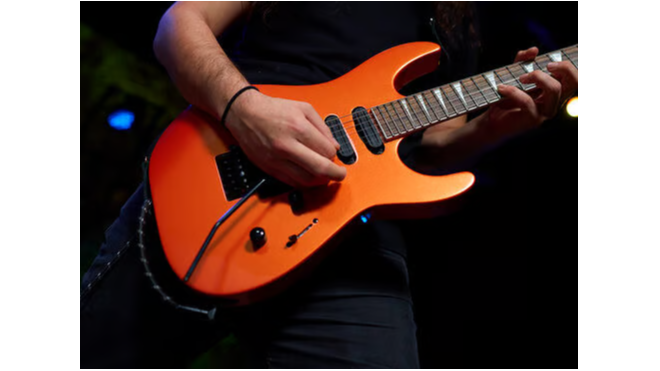
When heavy metal needed an instrument that could match its explosive energy and technical demands, a small California guitar shop answered the call. Jackson Guitars emerged from the late 1970s heavy music renaissance as more than just another guitar brand—they became the definitive shred machines that would shape metal's sound for decades to come. These weren't subtle instruments designed for jazz clubs or acoustic sets. Jackson guitars screamed attitude from every angle, with radical body shapes that looked as aggressive as they sounded and necks built for the kind of speed that would make virtuoso players legends.
The brand's rise aligned with metal's mainstream breakthrough, when flamboyant young guitarists demanded instruments that could keep up with their technical ambitions and stage theatrics. What started as custom work in a Glendora repair shop quickly became the standard for high-performance metal guitars, establishing a blueprint that countless manufacturers would attempt to copy but never quite match.
The Jackson story truly began when a relatively unknown guitarist named Randy Rhoads walked into Grover Jackson's shop in late 1980. For guitarists looking to understand Jackson's complete , musical instrument retailer Sam Ash's detailed guides help navigate the brand's rich history and modern innovations. Rhoads had recently joined Ozzy Osbourne's solo band after his stint with Quiet Riot and needed something distinctive—a guitar that would blend his classical training with the raw power of heavy metal.
The design process was refreshingly simple: Rhoads and Jackson's team literally sketched the guitar on a paper napkin during that fateful meeting. The resulting instrument, dubbed the "Concorde" after the aircraft Rhoads had flown back from a UK tour, featured a sleek white finish with an offset V-shape that looked unlike anything else on the market. This angular, futuristic design incorporated neck-through-body construction for maximum sustain and stability—a feature that would become a Jackson signature. The Concorde was the first guitar to bear the Jackson name on its headstock, marking the beginning of a new era in metal guitar manufacturing.
Tragically, Randy Rhoads' life was cut short in a plane crash in March 1982, just as he was reaching his peak as a guitarist. While he had been photographed with the second version of his signature model only briefly, that guitar became the legendary Jackson Rhoads that metal fans recognize today. The timing of his death, combined with his extraordinary talent and the distinctive visual impact of his custom Jackson, created an almost mythical status around both the guitarist and the instrument. This tragedy gave the Rhoads model an enduring legacy, turning it into both a tribute to Randy’s genius and a lasting symbol of metal’s uncompromising spirit.
Jackson's reputation as the ultimate shred machine stems from deliberate engineering choices that prioritize speed, sustain, and reliability. Every design decision—from wood selection to hardware placement—serves the needs of players who demand technical precision at breakneck tempos. These aren't happy accidents or marketing gimmicks; they're the result of understanding exactly what separates adequate guitars from instruments capable of keeping up with metal's most demanding techniques.
The neck-through design, which debuted on the original Concorde, became one of Jackson's signature features for good reason. This construction method extends the neck wood through the entire body, creating a single, continuous piece that eliminates the joint between the neck and body found in bolt-on designs. The result is dramatically improved sustain, as vibrations transfer seamlessly throughout the instrument without interruption. This design also provides exceptional stability, crucial for guitars that endure aggressive playing techniques like dive bombs and extreme bends. The neck-through construction contributes to Jackson's characteristic "piano-like" sustain that allows notes to ring out clearly even under high gain settings, making complex passages and legato runs more articulate.
The compound radius fretboard changed so much for Jackson Guitars. This technological feature starts with a more curved radius at the nut (typically 12 inches) and gradually flattens toward the higher frets (reaching 16 inches or more). This design provides the best of both worlds: comfortable chord playing in the lower registers and effortless string bending and lead work up the neck. The flatter radius at higher frets prevents string choking during aggressive bends, while the curved lower section maintains comfortable fingering for rhythm work. Combined with Jackson's typically slim neck profiles and smooth satin finishes, these fretboards facilitate the kind of sweep picking, tapping, and rapid alternate picking techniques that define modern metal guitar playing.
Jackson was among the earliest to widely adopt Floyd Rose double-locking tremolo systems. The Floyd Rose double-locking tremolo system, combined with locking nuts, allows for extreme whammy bar techniques without losing tuning stability. This hardware setup can handle dive bombs to slack, aggressive vibrato, and even behind-the-nut bends while returning to perfect pitch. The combination of high-quality locking tuners, properly cut nuts, and precision bridge setup means Jackson guitars stay in tune through the most punishing live performances. Hot-rodded humbucking pickups, often custom-wound for Jackson, complete the high-performance package by delivering the output and clarity needed for both crushing rhythm tones and singing lead sounds.
Jackson's visual impact on metal culture extends far beyond sound quality. The brand's body shapes became iconic symbols of rebellion and technical prowess, instantly recognizable silhouettes that communicated a guitarist's serious intentions before they played a single note. These weren't subtle variations on traditional designs—they were bold statements that helped define metal's visual language.
The Randy Rhoads model's offset V-shape struck the perfect balance between visual aggression and practical playability. Unlike symmetrical Flying Vs that can be awkward in certain playing positions, the Rhoads design features strategic asymmetry that makes it comfortable both sitting and standing. The longer treble-side wing provides better upper fret access, while the shorter bass-side wing prevents the guitar from sliding away during seated playing. This thoughtful design approach meant that the Rhoads wasn't just a stage prop—it was a fully functional instrument that happened to look incredible under stage lights. The distinctive silhouette became so associated with serious metal playing that seeing a Rhoads on stage immediately signaled technical competence and genre authenticity.
Jackson's King V model, developed for Ratt guitarist Robbin Crosby, took a more symmetrical approach to the V-shape concept. This design offered perfect balance and a striking stage presence that worked equally well for rhythm and lead players. The King V's proportions created a natural tendency for players to adopt wider stances, contributing to metal's characteristic aggressive stage presence. The model's symmetry also made it popular among left-handed players, as it could be flipped and restrung more easily than offset designs. Like the Rhoads, the King V became an instant visual shorthand for uncompromising metal attitude, appearing on countless album covers and live performance shots throughout the 1980s and beyond.
Recognizing that not every guitarist wanted radical body shapes, Jackson developed the Soloist and Dinky models to deliver the same high-performance features in more conventional packages. The Soloist featured a sleek, ergonomic design that provided excellent upper fret access while maintaining comfort for extended playing sessions. The smaller Dinky took this concept further, offering Jackson's legendary playability in a compact body that appealed to players who needed portability without sacrificing performance. Both models proved that Jackson's engineering excellence wasn't limited to exotic shapes—the same attention to neck profile, fretboard radius, and hardware quality could transform more traditional-looking guitars into speed machines. These models also helped Jackson reach players who loved the brand's technical reputation but needed instruments appropriate for diverse musical situations.
Jackson's enduring dominance in metal stems from their unwavering focus on performance over compromise. While other manufacturers chase trends or attempt to appeal to every possible market segment, Jackson continues to build guitars specifically optimized for the demands of heavy, technical music. Their necks remain among the fastest in the industry, their hardware choices prioritize reliability under extreme conditions, and their design philosophy still centers on enabling the most demanding playing techniques. This specialization means that serious metal guitarists can trust Jackson to deliver exactly what they need, whether they're recording intricate studio compositions or surviving the rigors of international touring. The brand's Custom Shop continues operating with many of the same craftsmen who built instruments for metal's founding fathers, ensuring that traditional construction methods and quality standards continue alongside modern innovations.
For metal and rock guitarists seeking instruments that combine iconic design with uncompromising performance, Sam Ash provides and an extensive selection of Jackson guitars to help players find their perfect shred machine.


