Ionic foot baths are generally safe for healthy adults, but certain medical conditions, techniques, and devices can turn a routine soak into a genuine health risk. Diabetes, electrical implants, and prolonged soaking all change the equation in ways most users never consider.
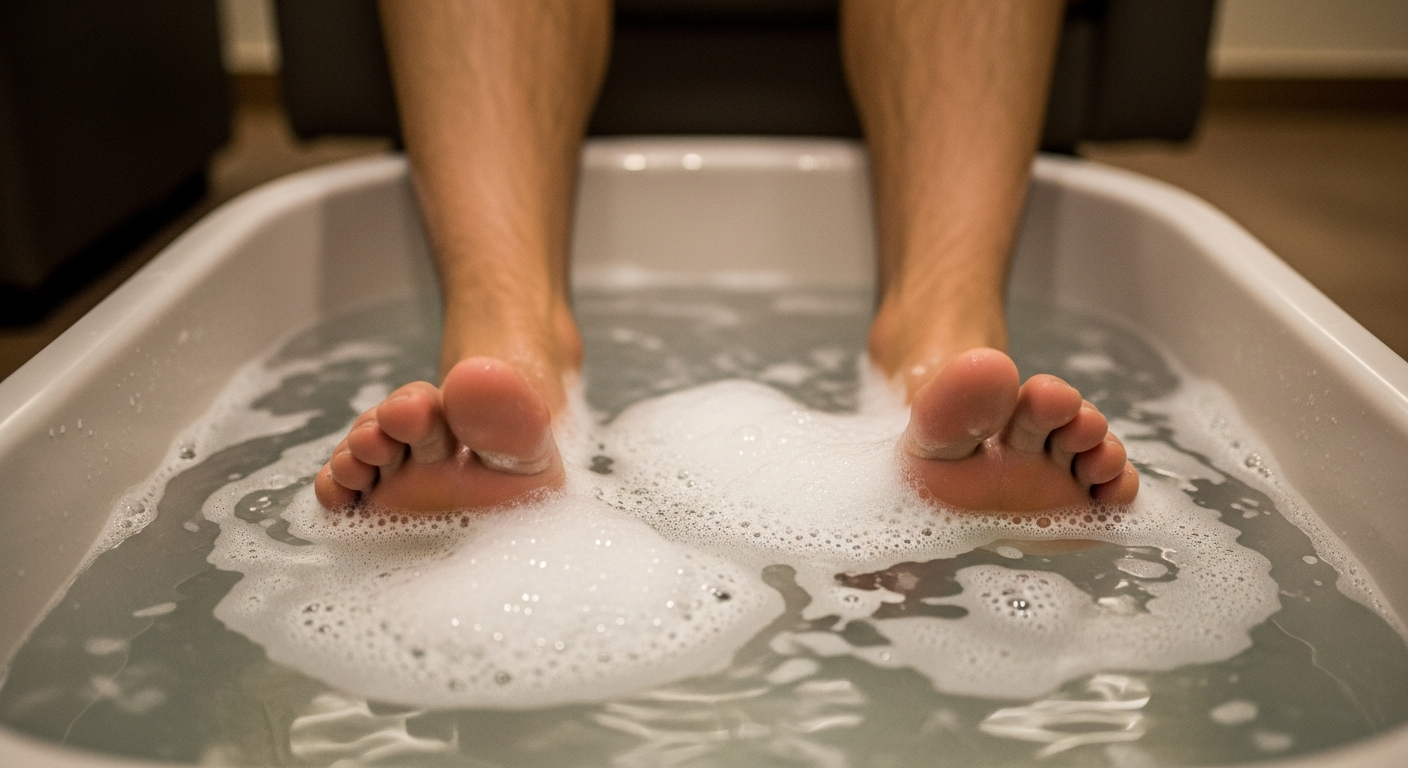
A warm foot soak feels harmless - and most of the time, it is. But that general safety has exceptions worth understanding before making foot bathing a daily habit, especially when an ionic device is involved. The risks are not dramatic, but they are real, and they tend to affect people who are least likely to notice them in the moment.
For the average healthy adult, soaking tired feet in warm water is about as low-risk as wellness habits get. Warm water improves circulation, reduces swelling, softens callused skin, and gives overworked muscles a chance to recover. Epsom salt soaks are widely recognized for easing muscle soreness and minor inflammation - though individuals with diabetes should avoid them due to potential skin complications. A basic foot wash with mild soap and water remains a cornerstone of good foot hygiene.
Problems emerge when soaking moves from simple hygiene into a more involved routine - particularly with ionic foot baths - without accounting for the individual's health status, the device's specifications, or basic session hygiene. That is where the exceptions begin to appear.
Not every foot belongs in a foot bath. Specific conditions exist where soaking - ionic or otherwise - carries enough risk to require medical clearance before proceeding.
Any break in the skin - a blister, a small cut, cracked heels, or a healing wound - creates a direct entry point for bacteria. Submerging that break in water, especially water sitting in a basin, introduces bacteria and microorganisms into tissue that is already compromised. With an ionic foot bath specifically, open skin is also exposed to electrolyzed water and mineral compounds that healthy, intact skin is built to keep out.
Even minor skin breaks are sufficient reason to skip a session entirely. Wait until the skin has fully healed before soaking.
Diabetic neuropathy is one of the most cited safety concerns in foot bath literature - and for good reason. The condition reduces or eliminates the ability to feel heat, pain, or pressure in the feet. A person with neuropathy may sit through water that is far too hot, or a current that is too strong, without feeling any discomfort at all. By the time they notice something is wrong, skin damage may have already occurred.
A documented case study involving a patient with diabetic neuropathy highlighted exactly this risk: without careful temperature monitoring and post-session foot inspection, unnoticed skin damage can progress rapidly into open wounds and serious infection. The primary dangers are undetected burns from reduced sensation and a heightened susceptibility to infection - both compounded by the circulation impairment that diabetes causes in the extremities.
Medical clearance is mandatory for anyone with diabetes. If cleared, sessions should be short, water temperature should be verified with a thermometer rather than by feel, and feet should be inspected carefully after every soak.
Ionic foot baths work by passing a low electrical current through salted water. That current is gentle by design, but it is still an external electrical input - and for some people, that distinction matters a great deal.
Pacemakers, implanted cardioverter-defibrillators (ICDs), neurostimulators, cochlear implants, and insulin pumps all rely on precise electrical signals to function. An external current from an ionic foot bath can potentially interfere with those signals. For anyone with an electrical implant, ionic foot baths are off the table without explicit approval from the managing physician.
For people with epilepsy, even low-level electrical stimulation carries a seizure risk. The relaxed, drowsy state that a foot bath can induce may also mask early warning signs. The combination of water and a potential seizure event creates a serious hazard - full neurological clearance is required, and sessions should never be done without another person present.
Medical professionals also advise against ionic foot baths for pregnant or breastfeeding women, children, and individuals with organ transplants, citing insufficient safety research for these groups.
Even without the above contraindications, the way a foot bath is conducted can create problems on its own.
Hot water feels soothing - but overly hot water causes burns, and it can worsen existing inflammation in conditions like arthritis or tendinitis. The risk is highest for anyone with reduced foot sensation, but even people without neuropathy can misjudge the temperature of water they have been sitting in for a while, particularly as the body acclimates to the heat. Always verify water temperature before placing feet in, and aim for warm rather than hot.
Bacteria and fungi thrive in warm, damp environments. Soaking too long - or failing to dry feet thoroughly afterward, especially between the toes - creates exactly those conditions. Athlete's foot and other fungal infections can develop or worsen when feet are repeatedly exposed to moisture without adequate drying time between sessions. The fix is straightforward: soak for the recommended duration, dry feet completely afterward, and pay close attention to the spaces between the toes.
Ionic foot baths are often marketed as general wellness devices and are not typically approved by the FDA as medical devices for treating diseases. That distinction matters because it places the responsibility for safe use on the user and the device manufacturer. Healifeco's guide on ionic foot bath safety covers this distinction clearly, along with practical guidance for getting each session right.
A well-engineered device removes much of the guesswork. Devices that use regulated current output and built-in timers keep sessions within a safe therapeutic range without requiring the user to watch the clock. Even so, no device can compensate for poor session habits.
Hydration before and after a session supports the body's circulatory and lymphatic activity. Drink at least one to two full glasses of water an hour beforehand, and continue hydrating after the session. Avoid caffeine and alcohol in the lead-up, as both are dehydrating.
After drying feet completely, apply a quality foot cream or lotion to the tops and soles - but not between the toes, where trapped moisture accelerates fungal growth. If wearing socks immediately after, choose 100% cotton or breathable moisture-wicking materials. Synthetic fibers trap heat and moisture against post-treatment skin, which can cause mild irritation that is often mistakenly attributed to the therapy itself.
Every ionic foot bath device is engineered differently - current output, session duration, salt concentration, and array maintenance schedules vary from one unit to the next. The Healifeco Ionic Foot Spa includes a measuring spoon for salt and a built-in timer to eliminate guesswork around two of the most commonly mishandled variables. Ignoring manufacturer guidelines on any of these points introduces unnecessary variables that affect both safety and results.
Daily ionic foot bath use is not recommended, especially for new users. Starting frequency recommendations vary among practitioners - some suggest two to three sessions per week during an initial phase, while others allow up to four to five. Assess how the body responds over the first two to three weeks before adjusting frequency. For regular ongoing use, two to three sessions per week is a common maintenance recommendation, with four to five sessions weekly generally cited as the upper limit. The body needs time between sessions to process the physiological response the therapy initiates - overuse can lead to fatigue, skin sensitivity, and diminishing returns.
At-home foot care has real limits. The American Podiatric Medical Association (APMA) is clear that persistent foot pain, swelling, discoloration, numbness, or any signs of infection warrant a visit to a podiatrist - not another soak. Foot baths, ionic or otherwise, are not a substitute for professional diagnosis and treatment.
Chronic wounds, recurring infections, or foot problems linked to diabetes or vascular disease should all be managed in consultation with a podiatrist, not worked around with at-home soaking routines.
For anyone building or refining a foot wellness routine, pairing the right device with consistent habits — proper drying, correct frequency, and medical awareness — is what makes the difference between a genuinely beneficial practice and an avoidable problem.


