Joint pain doesn’t have to end your fitness goals. While running and jogging can worsen knee problems, there’s one cardio machine that actually helps protect your joints… and the science behind it might surprise you.
Joint pain shouldn't derail your fitness goals. For millions of people dealing with knee sensitivity, arthritis, or recovery from injury, finding safe cardio options is a critical challenge that determines whether or not they can maintain an active lifestyle. One machine is particularly well-suited.
The fundamental difference between elliptical training and high-impact cardio? How force transfers through the body. When running or jogging, each foot strike generates impact forces that travel directly through the knees, potentially aggravating existing conditions or creating new problems. Elliptical machines eliminate this concern entirely through their unique gliding motion.
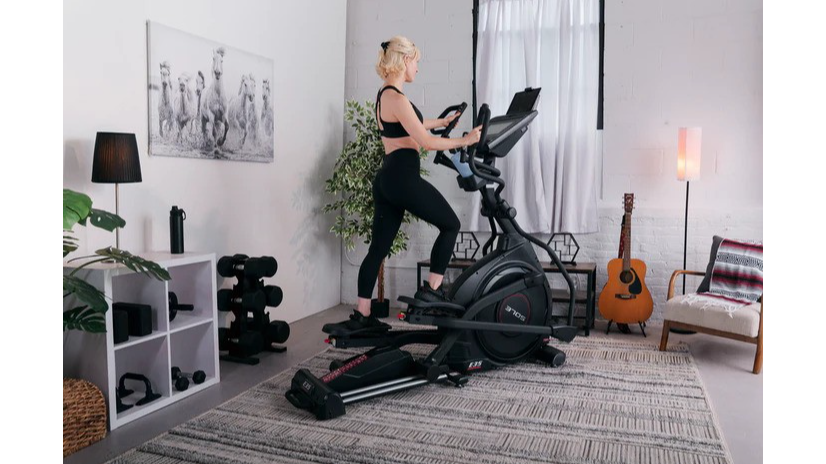
This smooth, continuous movement pattern is especially valuable for seniors and individuals recovering from knee injuries. The machine's design keeps feet securely positioned on pedals throughout the entire motion, creating what exercise physiologists call a "closed-chain" movement. Some machines, like SOLE ellipticals, incorporate design features like inward-sloping pedals that promote natural knee alignment, reducing the lateral stress that can worsen knee problems during traditional cardio workouts.
Research consistently demonstrates that low-impact exercise options like elliptical training provide superior outcomes for people with joint concerns. Unlike the jarring impact of pavement pounding, elliptical workouts allow users to achieve cardiovascular benefits while protecting vulnerable knee structures from unnecessary stress.
The biomechanics of elliptical training create inherent stability advantages for knee health. During closed-chain exercises, where feet remain in contact with a stable surface, the body requires less muscular effort to maintain joint alignment. This contrasts sharply with open-chain movements like running, where each leg must independently stabilize during the flight phase of each stride.
This stability factor is vital for individuals with existing knee conditions. The consistent contact between feet and pedals throughout the elliptical motion reduces the demand on small stabilizing muscles around the knee joint, allowing these structures to strengthen gradually without overwhelming stress.
Medical evidence reveals that elliptical training, walking, and cycling significantly improve circulation to knee cartilage, a tissue that relies heavily on movement-induced blood flow. Studies focusing on individuals with arthritic knees demonstrate that elliptical training increases this vital circulation without the inflammatory response often triggered by high-impact activities.
The rhythmic, controlled motion of elliptical exercise promotes synovial fluid circulation within the knee joint. This natural lubricant gets more effective when joints move through their full range of motion under low-stress conditions - and that's exactly what elliptical training provides.
Effective knee protection requires strong supporting musculature, particularly the quadriceps, hamstrings, and calf muscles that work together to maintain joint alignment during movement. Elliptical training engages these muscle groups in a coordinated pattern that builds strength while minimizing stress on the joint itself.
The variable resistance available on quality elliptical machines allows users to progressively strengthen these supporting muscles. This gradual strengthening approach is especially beneficial for rehabilitation scenarios, where building muscle strength has to occur without aggravating existing knee problems.
Quality elliptical design incorporates specific features that optimize joint alignment throughout the exercise motion. Ergonomic pedals position feet at angles that promote natural knee tracking, reducing the lateral forces that can strain knee ligaments during movement.
The inward slope of quality elliptical pedals encourages proper foot positioning that aligns with natural biomechanics. This design consideration shows its real value during longer workouts, where small alignment issues can compound into significant stress on knee structures.
Individual differences in leg length, flexibility, and comfort preferences require personalized adjustments for optimal knee protection. Advanced elliptical machines offer adjustable stride lengths that accommodate these individual variations, ensuring that each user can find their most comfortable and biomechanically sound movement pattern.
Proper stride length adjustment prevents overextension or compression of the knee joint during the elliptical motion. Users can fine-tune their machines to match their natural gait patterns, creating a more comfortable and sustainable exercise experience.
Medical research consistently validates elliptical training as an effective rehabilitation tool for knee conditions. Studies analyzing various exercise forms for knee osteoarthritis found that participants achieved the best outcomes with walking, cycling, and elliptical training as superior low-impact options.
Research on patellofemoral pain syndrome demonstrates that off-axis elliptical training programs effectively improve lower extremity neuromuscular control while reducing pain and improving overall knee function. These medical findings support the practical experience of physical therapists who regularly incorporate elliptical training into knee rehabilitation protocols.
The controlled nature of elliptical exercise allows healthcare providers to prescribe specific intensity levels and durations that match individual recovery needs. Such precision would be impossible with outdoor activities like walking or jogging, where terrain variations and environmental factors can unpredictably affect joint stress levels.
Today's elliptical machines incorporate decades of biomechanical research and user feedback to create exercise equipment specifically designed for joint protection. Features like adjustable resistance, customizable stride patterns, and ergonomic positioning systems allow users to create personalized workouts that deliver cardiovascular benefits without compromising knee health.
The integration of technology with thoughtful design creates exercise experiences that adapt to individual needs and limitations. Users can monitor their progress, adjust intensity levels, and maintain consistent workout routines while protecting their knee joints from the cumulative damage associated with high-impact cardio alternatives.
For individuals seeking effective cardio exercise that prioritizes knee protection, elliptical training represents the best balance between fitness benefits and joint safety. The combination of low-impact motion, full-body engagement, and specialized design features makes elliptical machines the clear choice for anyone concerned about maintaining knee health during their fitness journey.
Learn how SOLE Fitness engineers their elliptical machines with specialized features designed specifically for knee protection and comfort.


