Your Apple Watch can handle water, but can your band? While some materials excel in pools and oceans, others might be secretly exposing you to harmful chemicals or failing after just a few swim sessions.
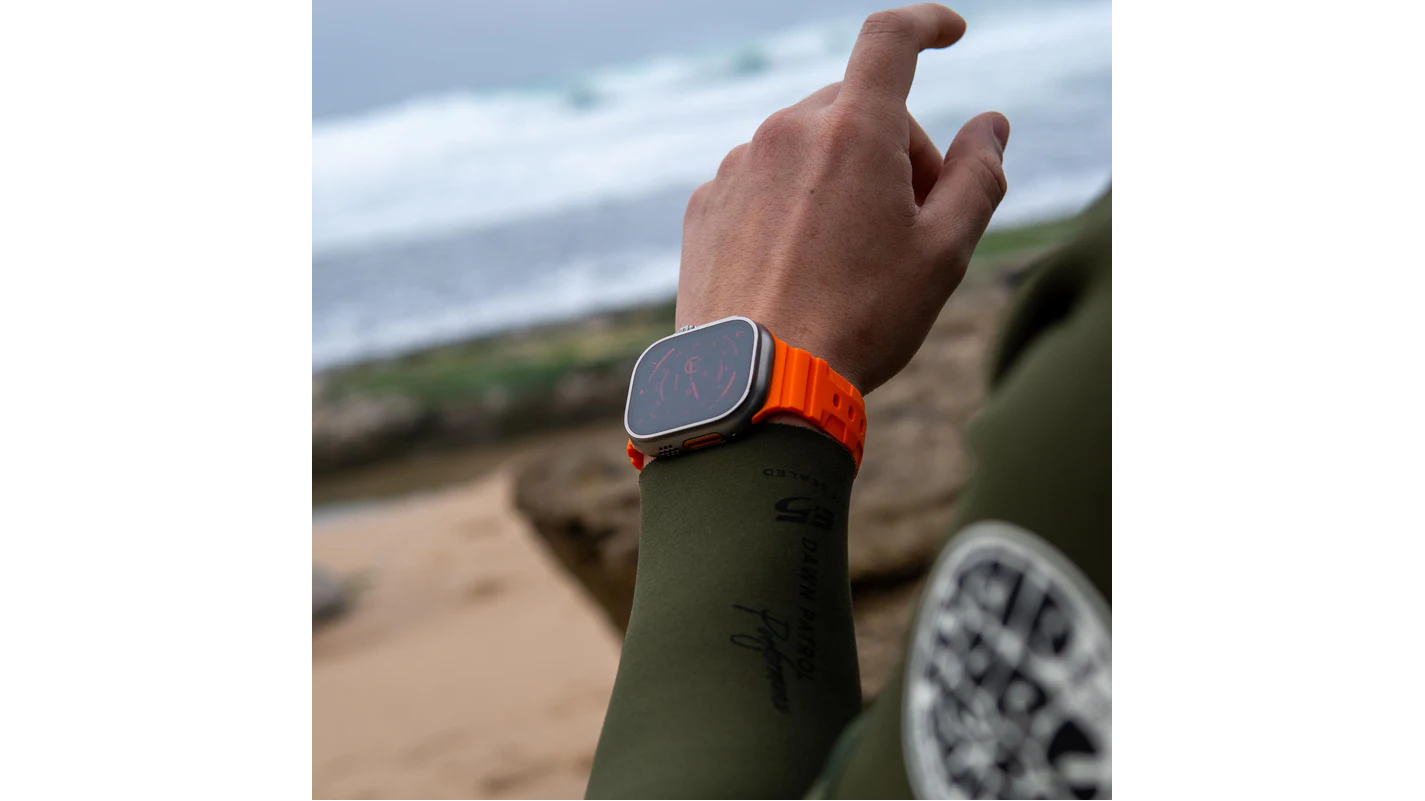
Choosing the right waterproof Apple Watch band transforms how confidently you wear your device through daily activities, workouts, and water adventures. The material makes all the difference between a band that fails after a few pool sessions and one that withstands years of swimming, sweating, and shower encounters.
The foundation of any waterproof Apple Watch band lies in its core material composition. Unlike regular watch bands that prioritize aesthetics over function, waterproof bands must balance chemical resistance, flexibility, and long-term durability with extensive exposure to water. Materials like FKM fluoroelastomer resist degradation from chlorine, salt water, and UV rays, while cheaper alternatives may crack, discolor, or lose their seal over time.
Water resistance ratings of the Apple Watch itself only tell part of the story. The band's material is also important. A band's molecular structure determines how it responds to temperature changes, chemical exposure, and repeated wet-dry cycles. Premium materials maintain their integrity through thousands of water encounters, while inferior options may develop weak points that compromise the entire band's performance.
Understanding these material differences helps identify which bands deliver genuine long-term waterproof protection versus those that merely survive brief water contact. Brands like Robust Goods offer waterproof sport bands engineered with materials specifically chosen for their proven water resistance and durability performance.
Silicone and TPU (thermoplastic polyurethane) bands dominate the waterproof category for good reason. These synthetic materials create an impermeable barrier against water while maintaining the flexibility needed for comfortable all-day wear. Their non-porous structure prevents water absorption, eliminating the moisture retention that leads to odor and bacterial growth in other materials.
Fluoroelastomer sets a high standard for waterproof Apple Watch bands. This high-performance synthetic rubber offers superior resistance to chemicals, heat, and UV radiation compared to standard silicone. Apple's Sport Band utilizes fluoroelastomer because it maintains its properties even after extreme temperature variations or exposure to chemicals such as those found in chlorinated pools, salt water, and cleaning products.
This material resists cracking, hardening, or losing flexibility even after years of daily wear and exposure to water. However, some fluoroelastomer formulations may contain PFAS chemicals, which could be a concern for individuals with sensitive skin.
Standard silicone bands provide excellent waterproof protection at more accessible price points. These bands resist water, sweat, and basic chemical exposure while remaining lightweight and comfortable for extended wear. Silicone's flexibility allows for easy cleaning with soap and water, making maintenance simple after intense workouts or beach days. While not as chemically resistant as fluoroelastomer, quality silicone bands handle most water activities and daily exposure without degradation.
TPU bands combine the flexibility of silicone with good durability, making them suitable for extreme conditions. This thermoplastic material resists abrasion, cuts, and impacts better than standard silicone while maintaining complete water resistance. TPU's superior tear strength makes it ideal for rugged outdoor activities where the band faces potential damage from rocks, equipment, or rough surfaces. The material also maintains its appearance longer, resisting the clouding and discoloration that affects some silicone bands over time.
Nylon bands occupy the middle ground between complete waterproof protection and everyday comfort. These woven materials offer breathability and quick-drying properties, making them attractive for active users who encounter light water exposure but don't require complete submersion protection.
Treated nylon bands receive special coatings or weaving techniques that provide water resistance without eliminating the material's natural breathability. These treatments create a barrier against light water exposure while allowing air circulation to prevent moisture buildup. Untreated nylon absorbs water readily, making it unsuitable for swimming or heavy water exposure, but perfectly adequate for sweat resistance during workouts and brief rain encounters.
Nylon bands excel in situations requiring comfort and light water resistance. They handle sweat, light rain, and brief splashing effectively while providing superior comfort in warm weather. The key lies in understanding their limitations - nylon works well for hiking, running, and daily wear, but requires removal before swimming or showering. These bands dry quickly and are relatively unaffected by exposure to light moisture.
Stainless steel bands offer a different approach to water resistance, focusing on corrosion resistance rather than waterproof sealing. These bands can handle water exposure without immediate damage, but their design and weight make them less suitable for intensive water activities.
Stainless steel bands excel in professional environments where appearance matters more than swimming capability. The material resists rust and corrosion from brief water exposure, making it suitable for handwashing, light rain, and accidental splashing. However, the band's weight and rigid structure make it uncomfortable for swimming or water sports. Links and connections may also trap water, requiring thorough drying to prevent mineral buildup and potential corrosion over time.
Proper maintenance extends stainless steel band life significantly. After water exposure, thorough drying prevents mineral deposits and corrosion in link connections. Regular cleaning with mild soap removes oils, sweat, and debris that can accelerate wear and tear. Avoiding extended submersion and saltwater exposure protects the band's finish and prevents pitting. Quality stainless steel bands can handle years of normal water exposure with proper care.
Selecting the optimal waterproof band requires matching material capabilities to specific water exposure patterns and the intensity of the activity. Different activities demand different levels of water protection and material performance.
Swimming requires complete waterproof protection and resistance to pool chemicals or saltwater. Fluoroelastomer and high-quality silicone bands handle chlorine exposure, temperature extremes, and repeated submersion without degradation. These materials maintain their seal and flexibility through intensive water activities, making them practical choices for serious swimmers and water sports enthusiasts.
Daily activities involving handwashing, light rain, and sweat benefit from treated nylon's breathability and comfort. These bands resist light moisture while providing superior comfort for all-day wear. Their quick-drying properties and lightweight feel make them ideal for users who need water resistance without the bulk or feel of rubber materials.
Professional environments prioritize appearance over water sports capability. Stainless steel bands provide the polished look required for business settings while handling incidental water exposure from daily activities. Understanding their limitations prevents disappointment - these bands work well for office wear but require band changes for swimming or intensive water activities.
Extreme outdoor activities require bands that resist both water and physical damage. TPU and specialized rubber materials provide waterproof protection while resisting cuts, abrasions, and impacts that would damage other materials. These bands withstand harsh conditions, including salt water, extreme temperatures, and rough surfaces, without compromising their waterproof integrity.
Waterproof bands trap moisture against skin for extended periods, making material safety important for preventing irritation, allergic reactions, and bacterial growth. Understanding which materials offer the safest contact becomes especially important for users with sensitive skin or chemical sensitivities.
Some waterproof treatments and fluoroelastomer formulations contain PFAS (per- and polyfluoroalkyl substances), raising health concerns for sensitive users. While these chemicals provide water resistance, they may cause skin reactions in individuals with chemical sensitivities. Checking material safety certifications and choosing PFAS-free alternatives protects users with chemical sensitivities while maintaining waterproof performance. Alternative materials that are PFAS-free include organic cotton, hemp, cork, or vegetable-tanned leather options.
Medical-grade silicone offers a safe and waterproof option for sensitive skin. Its hypoallergenic properties minimize allergic reactions while maintaining complete water resistance. While silicone is generally hypoallergenic, some individuals may still experience irritation, and not all silicones are equal. Medical-grade versions offer better safety profiles. Silicone's non-porous surface prevents bacterial growth and allows easy cleaning, reducing infection risks. The material's flexibility and softness also prevent the chafing and pressure points that irritate the skin. Titanium and ceramic are also viable hypoallergenic options.
The best waterproof Apple Watch band strikes a balance between water protection, comfort, durability, and style, catering to individual usage patterns. Swimmers and water sports enthusiasts need fluoroelastomer or premium silicone for chemical resistance and long-term durability. Active users with light water exposure benefit from the breathability and quick-drying properties of treated nylon. Everyday users requiring occasional water resistance should consider stainless steel for its polished appearance and basic water protection.
Material safety considerations become important for extended wear, especially in waterproof bands that trap moisture against the skin. Hypoallergenic materials, such as medical-grade silicone, offer safe options for sensitive users without compromising waterproof performance. Understanding what your Apple Watch band is made of can help you choose a product that can withstand the elements.


