Considering investing in an arbitrage lead list? These pre-vetted product opportunities can save significant research time, but quality services limit subscribers to reduce competition. Lead Lists helps sellers focus on scaling rather than manual research, ideal for those with limited time or experience.
Finding profitable products to sell on Amazon can be time-consuming and frustrating. Many sellers wonder if investing in an online arbitrage lead list is worth it or just another unnecessary expense.
An Amazon online arbitrage lead list is essentially a curated collection of product opportunities that have been pre-vetted for profitability. These lists are created by experienced Amazon sellers or specialized companies that use various tools and expertise to identify items that can be purchased from online retailers at a lower price and resold on Amazon for a profit.
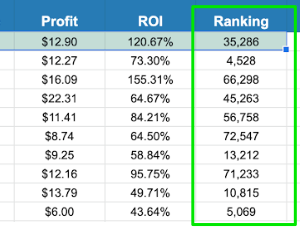
A comprehensive lead list typically includes critical data points such as:
Lead list providers employ different methods to create their lists. Some use advanced software tools combined with manual verification, while others rely on teams of virtual assistants who conduct thorough research according to specific criteria.
The creation process typically involves scanning thousands of potential products to identify the few that meet strict profitability and risk standards. The goal of these lists is to eliminate the time-consuming research process that sellers would otherwise need to conduct themselves.
One of the most compelling advantages of using an Amazon lead list is the dramatic reduction in sourcing time. Manual product research can consume many hours per week, scanning through hundreds of products to find a few profitable opportunities. With a lead list, this work is already done for you.
Lead lists typically provide extensive data on each product opportunity, including:
This level of vetting helps reduce the likelihood of purchasing inventory that doesn't sell or violates Amazon's policies. The research is handled by experts who understand the complexities of Amazon's marketplace.
Amazon has strict policies regarding certain products and categories. Experienced lead list providers specifically filter out:
This screening process helps protect sellers from potentially costly mistakes that could lead to account suspensions or inventory issues.
Quality lead lists focus on identifying high-margin opportunities that many sellers might miss during manual research. By using specialized tools and expertise, lead list providers can often spot profitable items that most sellers overlook.
While lead lists offer significant advantages, they're not without potential drawbacks that every seller should consider before investing.
Quality lead lists typically come with a monthly subscription fee, which can range anywhere from $50 to several hundred dollars per month, depending on the provider and the comprehensiveness of the service. For new sellers with limited capital, this recurring expense needs to be carefully evaluated against expected returns.
It's important to calculate whether the projected profits from the leads will offset not just the product costs but also the subscription fees. Many experienced sellers report that the time saved and additional profit opportunities more than justify the expense, while others may struggle to generate sufficient returns, especially when just starting out.
One of the most significant concerns with lead lists is that multiple subscribers receive the same product recommendations. This means you'll be competing with other sellers for both inventory and Buy Box positioning on Amazon.
The best lead list providers address this issue by limiting their subscriber count. Quality services typically cap their subscriber base to 30 or fewer sellers per list. Some premium services limit themselves to even smaller numbers, such as 10-15 subscribers, to minimize direct competition.
When evaluating a lead list service, always ask:
When relying heavily on lead lists, you're essentially outsourcing part of your business strategy to the list provider. While this saves time, it also means you have less control over your product selection criteria.
You might find that the leads don't perfectly align with your business model or risk tolerance. Some sellers prefer to specialize in specific categories or brands, but lead lists typically provide opportunities across various niches.
To mitigate this issue, develop your own secondary filtering criteria to apply to the leads you receive. This allows you to maintain strategic control while still benefiting from the research provided.
To determine if lead lists are right for your business, it's helpful to compare them with alternative sourcing methods.
Sourcing Software:
Lead Lists:
Sourcing software gives you greater control but requires more expertise and time investment. Lead lists are more accessible, especially for beginners, but provide less customization.
Virtual Assistants:
Lead Lists:
Virtual assistants offer more personalized sourcing but require significant management and potentially higher costs. Lead lists are more turnkey but less customizable to your specific business needs.
Manual Research:
Lead Lists:
Manual research gives you complete control but demands significant time investment. Lead lists dramatically reduce time requirements but surrender some control over the sourcing process.
Not every Amazon seller will benefit equally from lead lists. Understanding where you fit in the Amazon seller ecosystem can help determine if lead lists are a worthwhile investment for your business.
If you're new to Amazon selling, lead lists can provide substantial value in several ways:
However, new sellers should be cautious about becoming overly dependent on leads without developing their own sourcing skills. It's a smart approach to use lead lists as a learning tool while simultaneously developing your own product evaluation criteria.
For established sellers, lead lists offer different benefits:
Experienced sellers use lead lists most effectively when they integrate them into an already established business system, using them to supplement existing sourcing channels rather than replace them entirely.
After examining the benefits, drawbacks, and alternatives to Amazon online arbitrage lead lists, it's clear that their value depends on your specific situation.
When deciding whether to invest in a lead list, consider these key factors:
Rather than viewing lead lists as an all-or-nothing proposition, consider these practical approaches:
If you decide to try an Amazon lead list, look for these qualities in a provider:
The best lists prioritize quality over quantity. They focus on thoroughly vetting a smaller number of highly profitable opportunities rather than overwhelming subscribers with marginal leads.
Amazon online arbitrage lead lists are a valuable tool for modern sellers—but they work best when used appropriately and with realistic expectations.
For many sellers, especially those limited by time or still developing their sourcing expertise, quality lead lists can speed up the path to profitability. For others, particularly those with established sourcing systems or very specific product criteria, lead lists might serve as just one component of a more diversified sourcing strategy.
The key is to approach lead lists not as a perfect solution but as a potential resource that, when used correctly, can help address specific challenges in your Amazon selling business.
With careful evaluation and strategic implementation, Amazon lead lists can indeed be worth the investment for many sellers looking to build or scale their online arbitrage business. If you're looking to save time while still finding profitable products to sell, check out FBA Lead List's curated opportunities that can help streamline your Amazon business growth.


