Global hunger and climate pressure are accelerating the search for future food sources, from resilient grains to aquatic plants like duckweed, reshaping how sustainable nutrition may be achieved.
In 2024, an estimated 638 to 720 million people worldwide experienced chronic hunger, according to the United Nations’ State of Food Security and Nutrition in the World 2025 report. At the same time, roughly 2.6 billion people were unable to afford a healthy diet. These figures illustrate a growing gap between global food production and equitable access to nutritious, affordable food, particularly as climate stress, population growth, and resource constraints intensify.
Modern food systems rely heavily on a narrow range of crops and protein sources. While these systems have delivered efficiency and scale, they have also introduced vulnerabilities:
In addition, conventional animal-based protein systems are resource-intensive, contributing disproportionately to greenhouse gas emissions and land use.
A common oversight in discussions about food security is the assumption that scaling existing solutions will be sufficient. Evidence increasingly suggests otherwise. The United Nations has emphasized the need to diversify food sources, preserve agricultural biodiversity, and explore alternative crops that can perform well under changing environmental conditions while improving nutritional outcomes. The search for nutrient-rich "future foods" has begun.
Not all novel foods are equally suited to large-scale adoption. Several criteria tend to distinguish promising future food candidates:
A growing body of research points to several categories of alternative food sources with strong potential. Climate-resilient grains such as millet and sorghum are receiving renewed attention for their drought tolerance and nutritional value. Legume innovations, including improved lentils and chickpeas, continue to play a role in plant-based protein diversification.
Edible insects are frequently cited for their efficiency and protein density, though cultural acceptance varies significantly by region.Algae and seaweedsoffer high yields and valuable nutrients while requiring no arable land, making them particularly relevant for coastal and controlled-environment systems.
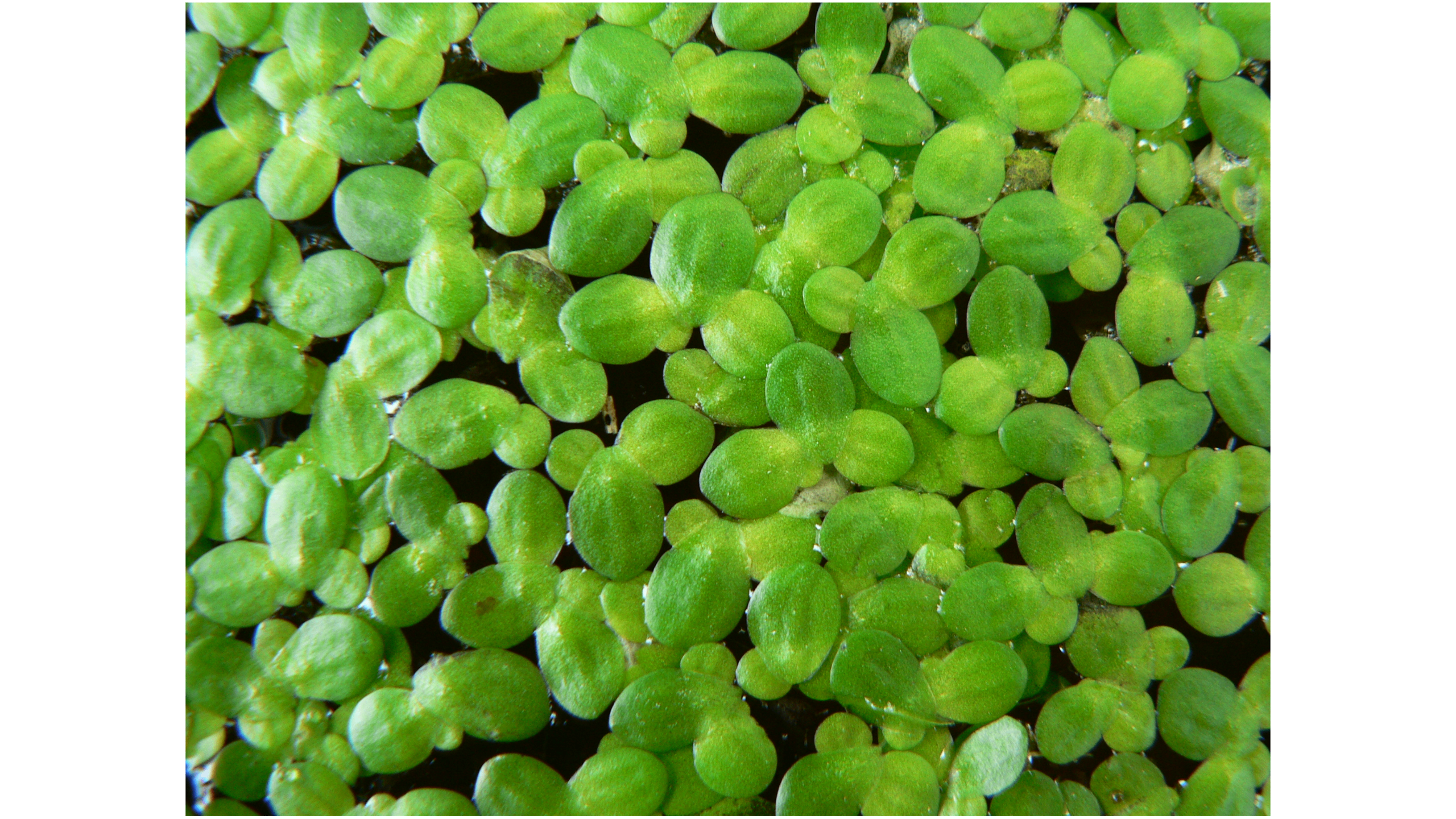
Duckweed is another strong candidate. This small aquatic plant can contain up to 45 percent protein by dry weight and provides a complete amino acid profile. Duckweed grows rapidly, requires minimal space, and can be cultivated in contained water systems. Historically consumed in parts of Southeast Asia, it offers both nutritional value and environmental benefits, including nutrient absorption from water and low-input cultivation potential. Its dual role as both food source and ecological management tool has increased interest among researchers examining sustainable protein pathways.
As global hunger remains persistent and unevenly distributed, the search and identification of sustainable future food sources can no longer be left to theoretical ponderings. Expanding dietary diversity, investing in resilient crops, and reassessing underutilized plants are practical responses to systemic challenges that affect the world's population today. Incremental integration of alternative foods, rather than wholesale replacement of existing systems, may offer the most realistic path forward and it is a journey that must begin now.


