Military personnel drink 42% more than civilians. Combat stress, military drinking culture, and high rates of mental health conditions create a high-risk environment for alcohol dependence. Addressing this requires treatment programs designed with the unique needs of service members in mind.
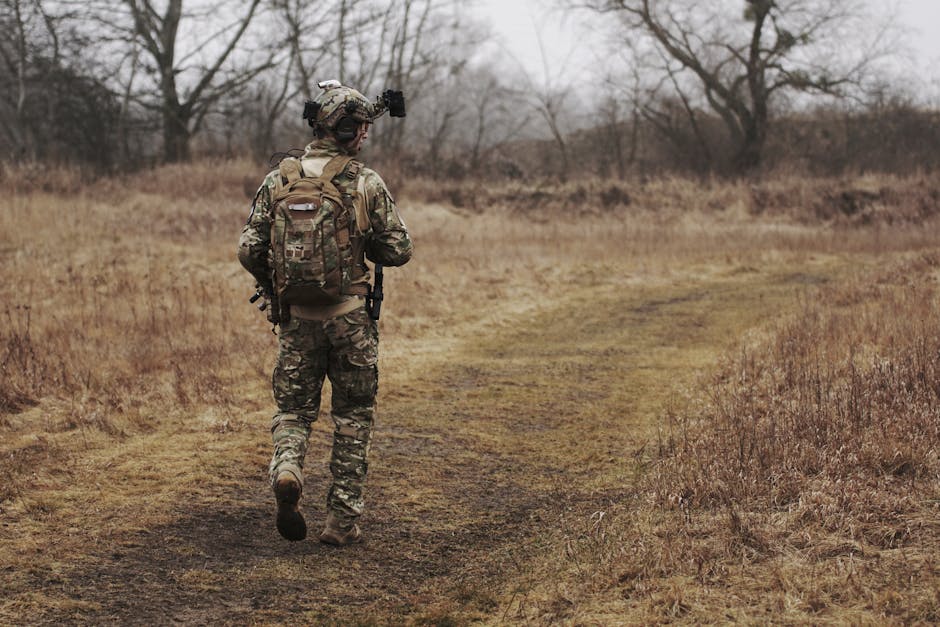
The United States military faces a significant and growing crisis with alcohol abuse. Military personnel not only face more pressure than most Americans—they also drink significantly more. According to Centers for Disease Control and Prevention data, Armed Forces members report consuming alcohol on approximately 130 days per year, compared to 91 days for civilians. This number has been steadily climbing.
Nearly 30% of Army service members report binge drinking, and almost 35% meet the criteria for hazardous or disordered use—patterns that may qualify for alcohol use disorder. Across all branches, up to 43.2% of active-duty personnel engage in binge drinking, with the highest rates among those aged 17-25. Among military binge drinkers, 70% are also classified as heavy drinkers.
This struggle requires approaches that address both the substance use disorder and the unique lived experiences of service members. Understanding why rates are so high starts with examining the root causes behind military drinking culture.
Combat exposure creates a perfect storm for alcohol dependence. Service members face traumatic events most civilians will never encounter—from life-threatening situations to witnessing death. These invisible wounds often lead to alcohol use as a form of self-medication, offering temporary relief from intrusive memories and emotional numbness while ultimately worsening symptoms.
Drinking is deeply embedded in military culture. Social events often revolve around alcohol, and heavy drinking is frequently normalized. Unit cohesion activities regularly include alcohol, reinforcing expectations to "drink like a soldier." Combined with stigma around seeking help, this creates a cycle that's difficult to break.
Injuries are common in military service. About 55% of all active-duty soldiers report at least one injury per year, with female service members reporting even higher rates (66%). Chronic pain, when left untreated or poorly managed, often leads service members to turn to alcohol for relief, increasing the risk of dependence.
Alcohol is widely accessible on military bases, often at reduced prices. This, paired with a culture that frames drinking as a go-to stress reliever, increases the likelihood of misuse—especially in remote or high-stress environments where few other outlets exist.
Young male enlisted personnel (18-25) show the highest excessive drinking rates—over 4x higher than their female peers. Many are facing military stressors while away from home for the first time, increasing risk-taking behaviors and vulnerability to peer influence.
Junior officers report the highest levels of hazardous drinking. Juggling responsibility for their teams, long hours, and intense performance pressure, many struggle with stress management—sometimes turning to alcohol to cope.
Service members with injuries face layered risk factors: chronic pain, medication side effects, limited mobility, and psychological distress. Without structured treatment, these conditions make problematic alcohol use more likely.
Each deployment increases exposure to trauma, separation from support systems, and sustained high-alert environments. With insufficient recovery between deployments, service members face heightened vulnerability to alcohol misuse as a coping mechanism.
Service members are 15x more likely than civilians to develop PTSD. Alcohol often becomes a way to cope, but it ultimately worsens symptoms—disrupting sleep, increasing irritability, and delaying emotional healing. Women experience higher rates of PTSD despite lower overall alcohol use, calling for gender-sensitive interventions.
Depression affects military personnel at 5x the civilian rate. Contributing factors include combat exposure, long deployments, separation from family, and cultural stoicism. Alcohol may offer short-term relief but exacerbates depression biologically and behaviorally, increasing emotional instability.
Alcohol misuse is implicated in approximately 30% of veteran suicides. It impairs judgment, heightens impulsivity, and increases hopelessness—particularly dangerous for individuals already dealing with mental health issues. Suicide remains the second-leading cause of death for military personnel.
Men are more likely to present with primary alcohol use disorders, while women more frequently experience PTSD and depression. Despite lower hazardous drinking rates (8.2%), female personnel face higher injury rates and require integrated care models customized to their experiences.
ASAP offers education, screening, prevention, and treatment suited to military life. Self-referral before an incident often shields service members from disciplinary consequences and supports early intervention.
TRICARE covers emergency services, residential rehab, outpatient programs, MAT, and family therapy—helping both personnel and their families access care.
MAT combines FDA-approved medications with counseling and behavioral therapies to treat alcohol use disorders comprehensively—a method especially effective for military personnel managing alcohol dependence. Medications like naltrexone, acamprosate, and disulfiram help reduce cravings, rebalance brain chemistry, and discourage drinking when paired with therapy.
Military personnel often experience PTSD and alcohol use disorders simultaneously. Integrated treatment—addressing both conditions at once—has proven significantly more effective than treating each in isolation. These programs target the root causes of substance misuse while also reducing trauma-related symptoms.
Evidence-based trauma therapies used in these integrated approaches include:
Seeking help for alcohol use is not a weakness—it's a sign of strength. Military policies have evolved to support early intervention, with confidential pathways available for those who take the first step before any disciplinary incidents occur.
One of the biggest barriers to treatment is fear of career consequences. But in reality, self-referral—especially before an alcohol-related incident—is often protected. Programs like ASAP allow service members to seek help confidentially, providing access to screening, counseling, and support services without triggering automatic command notification. Early intervention not only improves outcomes but also supports long-term readiness and retention.
TRICARE offers comprehensive coverage for substance use treatment, including:
These benefits extend to both active duty personnel and their families—acknowledging that alcohol misuse often affects entire households, not just individuals.
Not all rehab centers are equipped to understand the military experience. When seeking care, it's essential to find providers who offer military cultural competence—those who either have firsthand military backgrounds or who are trained to understand the nuances of service life.
To ensure you're getting care suited to your needs, ask questions like:
Peer support plays a vital role in long-term recovery for military personnel. Programs led by fellow service members or veterans in recovery offer something that civilian providers often can't: shared experience. That "I've been where you are" understanding can make the difference between feeling isolated and feeling seen.
Organizations that specialize in peer support for military personnel include:
These programs allow military members to speak openly, build trust, and feel less alone in the process of getting better. From handling chain-of-command logistics to managing TRICARE coverage, peer-led guidance helps reduce friction and support sustained recovery.
For those ready to take that step, programs like combine individualized care, evidence-based treatment, and TRICARE-approved services under one roof—helping service members access comprehensive addiction treatment with complete discretion.


