Some Alabama residents are seeing electricity bills approach $1,000 monthly, but the reasons behind these shocking costs are surprising. Before the next bill arrives, there are specific rebates and strategic changes that could reduce payments by hundreds of dollars.
Winter heating bills across Alabama have reached crisis levels, forcing families to choose between staying warm and paying other essential expenses. Understanding why these costs have skyrocketed—and more importantly, what can be done about it—has become critical for every Alabama homeowner and renter.
The numbers tell a stark story. Alabama ranks among the states with higher residential electricity bills in the nation, with the average monthly cost hitting $183.79 for November 2025 alone. However, these averages don't capture the full scope of what many residents actually experience.
A Birmingham woman living alone saw her power bill escalate from approximately $200 to over $850, then to nearly $1,000 for January 2026. Despite reaching out to Alabama Power for meter verification, the readings proved accurate, highlighting how quickly heating costs can spiral out of control during Alabama's unpredictable winter weather.
While the cost per kilowatt-hour remains 26% lower than the national average at $0.15, the sheer volume of electricity consumption drives total costs well above what most households can comfortably afford.
Alabama's climate demands year-round energy consumption. Summer cooling requirements followed immediately by winter heating needs create a double burden that keeps HVAC systems running nearly constantly. The state's humidity levels force air conditioning units to work harder, while sudden cold snaps require intensive heating that can significantly increase monthly usage.
Unlike northern states where natural gas heating predominates, Alabama's infrastructure heavily favors electric heating systems. Heat pumps, electric furnaces, and baseboard heaters consume substantial electricity, especially when outdoor temperatures drop below their optimal operating range. During cold periods, backup electric resistance heating automatically engages, dramatically increasing consumption.
Many Alabama homes, particularly older constructions, lack adequate insulation and proper air sealing. Addressing these efficiency challenges by directing conditioned air precisely where needed rather than heating entire homes uniformly could save residents up to 30% on their monthly bill. Single-pane windows, inadequate weatherstripping, and insufficient attic insulation create continuous energy leaks that force heating systems to run longer and work harder.
Alabama Power maintains significant market control throughout the state, limiting competitive pricing options available to residents. While the company has committed to keeping rates steady through to 2027, individual bills continue fluctuating based on actual usage, offering little protection against consumption spikes during extreme weather events.
Air leaks around windows, doors, and electrical outlets create continuous pathways for heated air to escape. Weatherstripping, caulk, and foam sealers cost under $50 but can reduce heating costs by up to 15% when combined with insulation. Focus on the attic first—adding insulation here provides the highest return on investment, with the Department of Energy documenting average savings of $153 annually for R-49 attic insulation.
Check for drafts by holding a lit incense stick near window frames, door edges, and electrical outlets. Wherever smoke wavers, air is moving, indicating a leak that needs sealing. Heavy curtains and area rugs provide additional insulation barriers that trap warm air indoors.
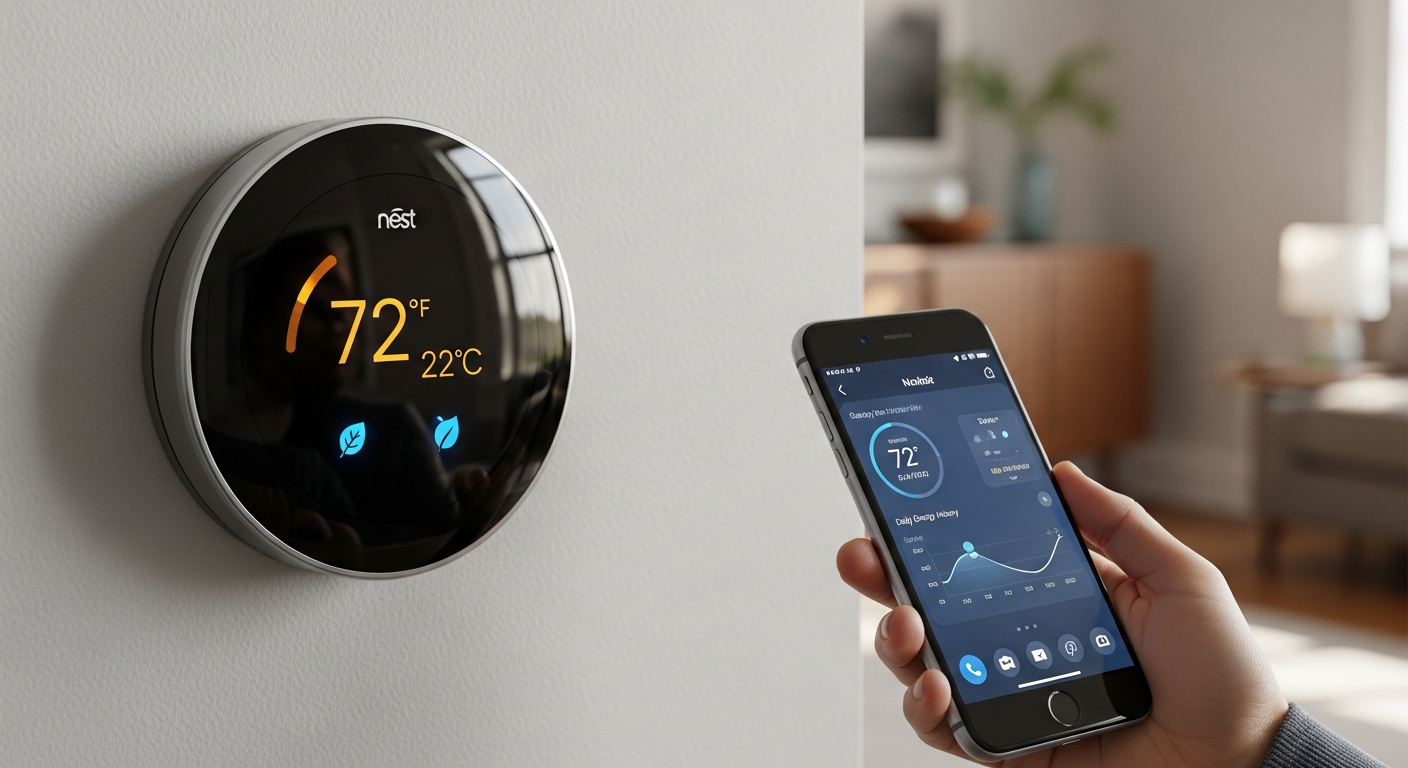
Smart thermostats learn household patterns and automatically adjust temperatures for maximum efficiency. Unlike programmable models that require manual scheduling, smart versions adapt to actual occupancy and preferences. They can reduce heating costs by 10-15% annually by maintaining optimal temperatures when residents are present while dropping settings during away periods.
Remote control capabilities allow temperature adjustments from anywhere, preventing energy waste when plans change unexpectedly. Many models provide detailed energy usage reports, helping identify consumption patterns and optimization opportunities.
Dirty air filters force heating systems to work significantly harder, increasing electricity consumption while reducing comfort. Replace filters every 1-3 months during heavy-use seasons. Clean vents and registers ensure proper airflow, while annual professional inspections catch efficiency problems before they become costly repairs.
Well-maintained systems operate at peak efficiency, consuming less electricity while providing better temperature control. Regular maintenance extends equipment lifespan, delaying expensive replacement costs.
Simple behavioral changes compound into significant savings. Set thermostats to 68°F during occupied hours and drop temperatures 10-12 degrees when sleeping or away. Layer clothing and use blankets to maintain comfort at lower temperatures.
Optimize natural sunlight by opening curtains during sunny days to capture free solar heating, then closing them at night to trap warmth indoors. Run dishwashers and washing machines during off-peak evening hours when possible.
Focus heating on actively used rooms rather than maintaining consistent temperatures throughout entire homes. Close doors to unused bedrooms and guest areas. For advanced solutions, zoned HVAC systems use motorized dampers to direct conditioned air precisely where needed, optimizing comfort while minimizing energy waste.
Zoned systems can reduce heating costs substantially in larger homes by eliminating the need to heat unoccupied spaces. Professional installation ensures proper system balancing and maximum efficiency benefits.
Alabama Power offers rebates covering up to $200 for qualifying smart thermostat purchases and installations. Eligible models must meet specific efficiency standards and connectivity requirements. The rebate application process requires proof of purchase and installation verification.
Combined with the 10-15% annual heating cost savings smart thermostats typically provide, residents can recover their investment within the first year while continuing to benefit from reduced bills long-term.
High-efficiency heat pump installations qualify for rebates up to $500 through Alabama Power's energy efficiency program. Heat pumps can save approximately $700 annually on heating and cooling costs compared to traditional electric resistance heating systems.
These systems work most efficiently in Alabama's moderate climate, providing both heating and cooling functions while consuming significantly less electricity than separate systems. Professional installation ensures proper sizing and optimal performance.
Alabama Power's Time Advantage rate structure rewards customers who shift electricity usage to off-peak hours. Evening and weekend rates provide substantial savings for flexible consumption patterns.
This program works best for households that can run major appliances like water heaters, dishwashers, and laundry equipment during designated low-cost periods. Smart home technology can automate these schedules for maximum savings.
The state's Weatherization Assistance Program provides free energy efficiency upgrades for qualifying low-income households. Services include insulation installation, air sealing, window and door weatherstripping, and minor HVAC system repairs. Eligibility depends on household income levels and current energy burden ratios.
LIHEAP provides direct financial assistance for heating and cooling costs to eligible low-income households. The program offers both crisis assistance for emergency situations and regular benefit payments to help manage ongoing energy expenses. Priority goes to households with elderly members, young children, or disabled residents.
Federal rebates through the Inflation Reduction Act cover up to $8,000 for heat pump installations and up to $4,000 for electrical panel upgrades needed to support efficient electric systems. Additional rebates apply to insulation, air sealing, and other weatherization improvements.
These programs specifically target moderate-income households that earn too much to qualify for traditional assistance but struggle with energy affordability.
The combination of immediate conservation measures, utility rebate programs, and available assistance can substantially reduce even the highest Alabama electricity bills. Start with no-cost actions like adjusting thermostat settings, upgrading to smart tech for zoning, and sealing obvious air leaks, then progress toward rebated upgrades that provide long-term savings.
Winter won't last forever, but the savings from properly implementing these strategies will continue through Alabama's expensive cooling season and beyond. Taking action now prevents the cycle of crisis-level bills that force families into difficult financial decisions.


