That $200 air conditioning repair you’re putting off? It’s quietly destroying a $3,500 component right now. Texas homeowners face a specific cascade failure that turns minor fixes into system-ending catastrophes—and there are warning signs you can hear.
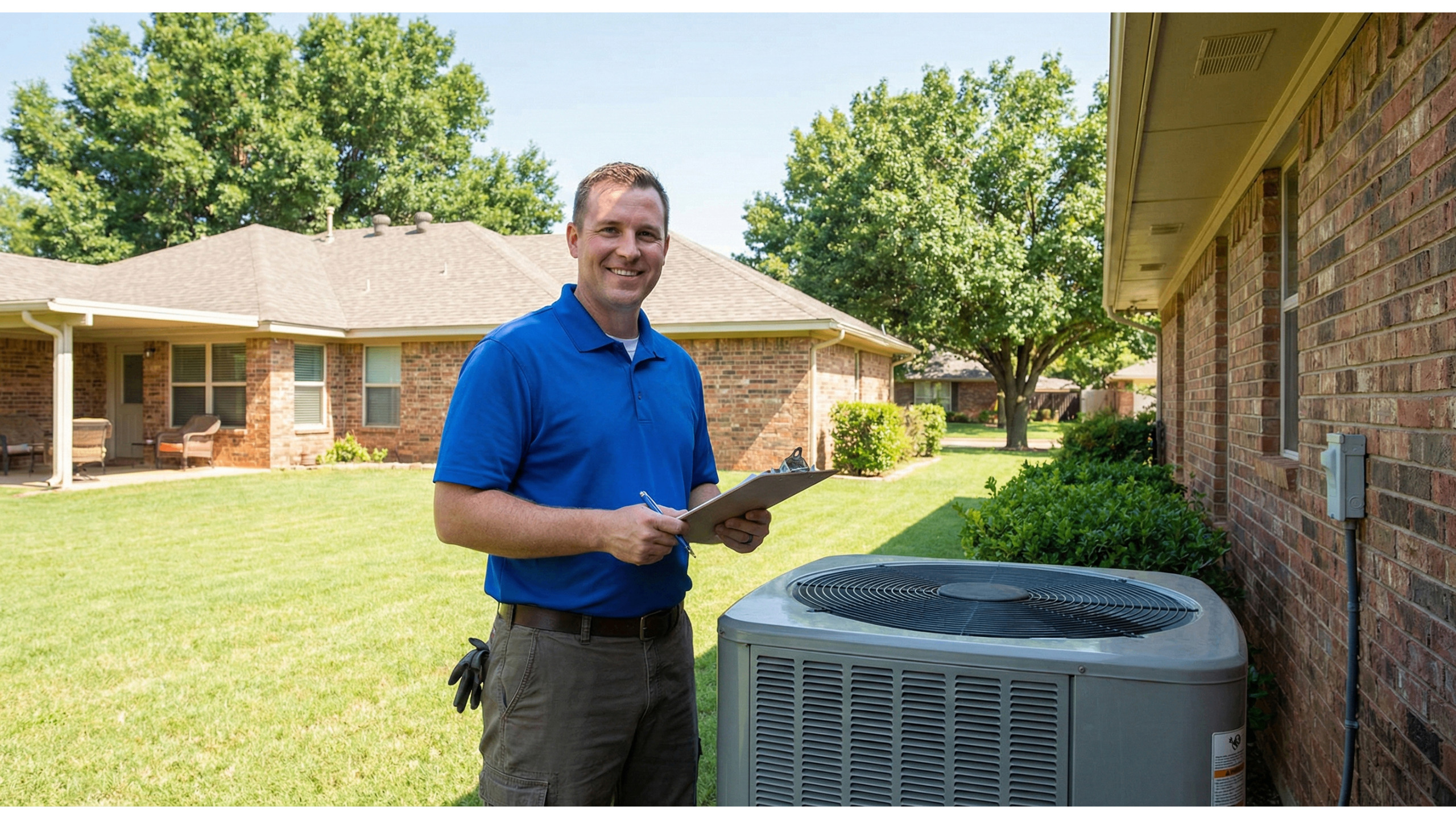
A small electrical component the size of a soda can holds the power to destroy thousands of dollars worth of HVAC equipment. The capacitor might seem insignificant compared to the massive compressor unit sitting outside, but this humble component controls whether that expensive compressor starts properly — or burns itself to death trying.
Every air conditioning system depends on capacitors to provide the electrical boost needed to start heavy-duty motors. These cylindrical components store and release energy in precisely timed bursts, giving compressor and fan motors the power surge they need to overcome initial resistance and begin spinning.
When a capacitor begins losing its ability to store and release energy effectively, the connected motor struggles to start. The compressor motor, designed to start quickly with that electrical boost, instead labors against increased resistance. This scenario plays out in thousands of Texas homes each summer, where extended operating hours and extreme heat push electrical components beyond their design limits. Local HVAC technicians, like those at Shirley Air, say the progression from minor electrical problem to major mechanical failure follows a predictable path that homeowners can interrupt with early intervention.
The cascade from capacitor weakness to compressor death doesn't happen overnight. Understanding this progression helps homeowners recognize when immediate action can prevent catastrophic damage.
Capacitors contain dielectric fluid and metal plates that store electrical energy. Heat, voltage fluctuations, and time gradually break down this dielectric material, reducing the capacitor's ability to hold and discharge energy effectively. A capacitor rated for 40 microfarads might test at only 32 microfarads, creating an energy deficit that affects connected motors.
This degradation often goes unnoticed initially because the motor can still start, albeit with more difficulty. The compressor might take longer to engage, make unusual sounds during startup, or cycle on and off more frequently as it struggles with the reduced electrical support.
Without adequate capacitor support, the compressor motor draws excessive amperage during each startup attempt. Instead of the smooth, efficient start enabled by a healthy capacitor, the motor labors against mechanical resistance while pulling dangerous levels of current through its windings.
Each hard start generates heat in the motor windings. Copper conductors expand under thermal stress, insulation materials degrade, and the motor's internal temperature climbs beyond safe operating ranges. In Texas heat, where outdoor temperatures regularly exceed 100°F, this thermal stress compounds rapidly.
The overheating motor creates a domino effect throughout the electrical system. Contactors — the electrical switches controlling compressor operation — experience increased arcing and pitting as they handle excessive startup currents. The overload protection device may trip repeatedly as it attempts to protect the motor from damage.
Eventually, the motor windings fail completely. The compressor, mechanically sound but electrically destroyed, requires replacement at a cost that often approaches or exceeds the value of installing an entirely new system.
Several distinct symptoms signal capacitor failure before complete compressor destruction occurs. Recognizing these warning signs enables homeowners to address the problem while repair costs remain manageable.
A humming sound from the outdoor unit without compressor startup indicates the motor is receiving power but lacks sufficient electrical boost to overcome starting resistance. This symptom often appears intermittently at first — the unit starts normally on some cycles but struggles on others, particularly during peak heat when electrical demand is highest.
The humming typically lasts 10-30 seconds before the system shuts down on overload protection. Homeowners might notice this pattern several times before the compressor stops starting entirely.
AC systems often use separate capacitors for fan and compressor motors. When the compressor capacitor fails while the fan capacitor remains functional, the outdoor fan continues running while the compressor sits idle. This creates a situation where air moves across the condenser coils without actual refrigeration occurring.
Inside the home, the thermostat continues calling for cooling, but no cold air emerges from vents. The system runs continuously without achieving temperature setpoints, driving up energy costs while providing no cooling benefit.
Compressors struggling with inadequate capacitor support draw excessive electrical current, often exceeding the circuit breaker's capacity. The breaker trips to protect household electrical systems from overload conditions.
Homeowners might reset the breaker once or twice and achieve temporary operation, but the underlying capacitor problem ensures the overload condition will recur. Each restart attempt places additional stress on both the electrical system and the compressor motor.
The Lone Star State's climate creates uniquely challenging conditions for air conditioning components, particularly electrical systems that generate internal heat during operation.
Air conditioning systems in the Dallas-Fort Worth area operate approximately 2,200 hours annually, compared to the national average of 1,000-1,400 hours. This extended runtime doubles or triples the thermal stress on capacitors, accelerating the breakdown of dielectric materials and reducing component lifespan.
Capacitors rated for 10-15 year lifespans in moderate climates often fail within 5-8 years in Texas. The combination of high ambient temperatures, extended operating periods, and frequent startup cycles creates a perfect storm for premature electrical component failure.
Texas summers bring frequent thunderstorms with accompanying power surges that stress electrical components. Voltage spikes during storm events can damage capacitor dielectric materials, creating weak points that fail under normal operating conditions weeks or months later.
Even brief power outages followed by restoration can create voltage irregularities that affect capacitor performance. The repeated electrical stress from an unstable power grid compounds the thermal stress from extended operation, creating multiple failure pathways for these critical components.
The financial impact of addressing capacitor problems early versus waiting for cascade failure demonstrates the value of proactive maintenance and prompt repair decisions.
A straightforward capacitor replacement includes the component cost ($25-$75) plus labor for diagnosis, installation, and testing. Most replacements take 30-60 minutes and can often be completed during a standard service call. The repair restores full system function and prevents further damage to connected components.
Compressor replacement involves significant labor and parts costs. The refrigerant must be recovered, the old compressor removed, and the new unit installed with proper brazing, evacuation, and recharging procedures. Labor alone typically ranges from 4-8 hours depending on system accessibility and complexity.
For systems using R-22 refrigerant, the cost increases dramatically due to refrigerant scarcity. R-22 now costs $90-$150 per pound, and a typical residential system requires 4-8 pounds for proper charging. The refrigerant cost alone can approach $1,000 before considering the compressor and labor.
When compressor failure occurs in systems over 10 years old, replacement often makes more financial sense than repair. The remaining components — condenser coils, refrigerant lines, indoor units — have experienced similar stress and may fail shortly after compressor replacement.
New system installations range from $3,500-$8,000 depending on capacity, efficiency ratings, and installation complexity. While this represents a significant investment, it often provides better long-term value than repairing an aging system with multiple potential failure points.
Regular professional maintenance provides the opportunity to identify and replace weak capacitors before they cause cascade damage. HVAC technicians, including those at Shirley Air, use specialized meters to test capacitor performance, measuring actual microfarad values against rated specifications.
A capacitor testing at 80% of its rated capacity might still function but shows clear signs of degradation. Replacing the component at this stage prevents the hard starting conditions that damage compressor motors. The investment in preventative replacement costs significantly less than emergency repairs during peak summer demand.
Annual maintenance visits also allow technicians to inspect contactors, measure electrical draws, and verify proper startup sequences. These checks identify potential problems across the entire electrical system, not just individual components. For Texas homeowners dealing with extreme operating conditions, this preventative approach provides both financial protection and peace of mind during the demanding summer months.


