AI tools like ChatGPT are already recommending dentists to patients right now—and data shows a growing percentage of appointments are coming from AI search. But most dental practices remain completely invisible to these systems because of critical structural problems on their websites.
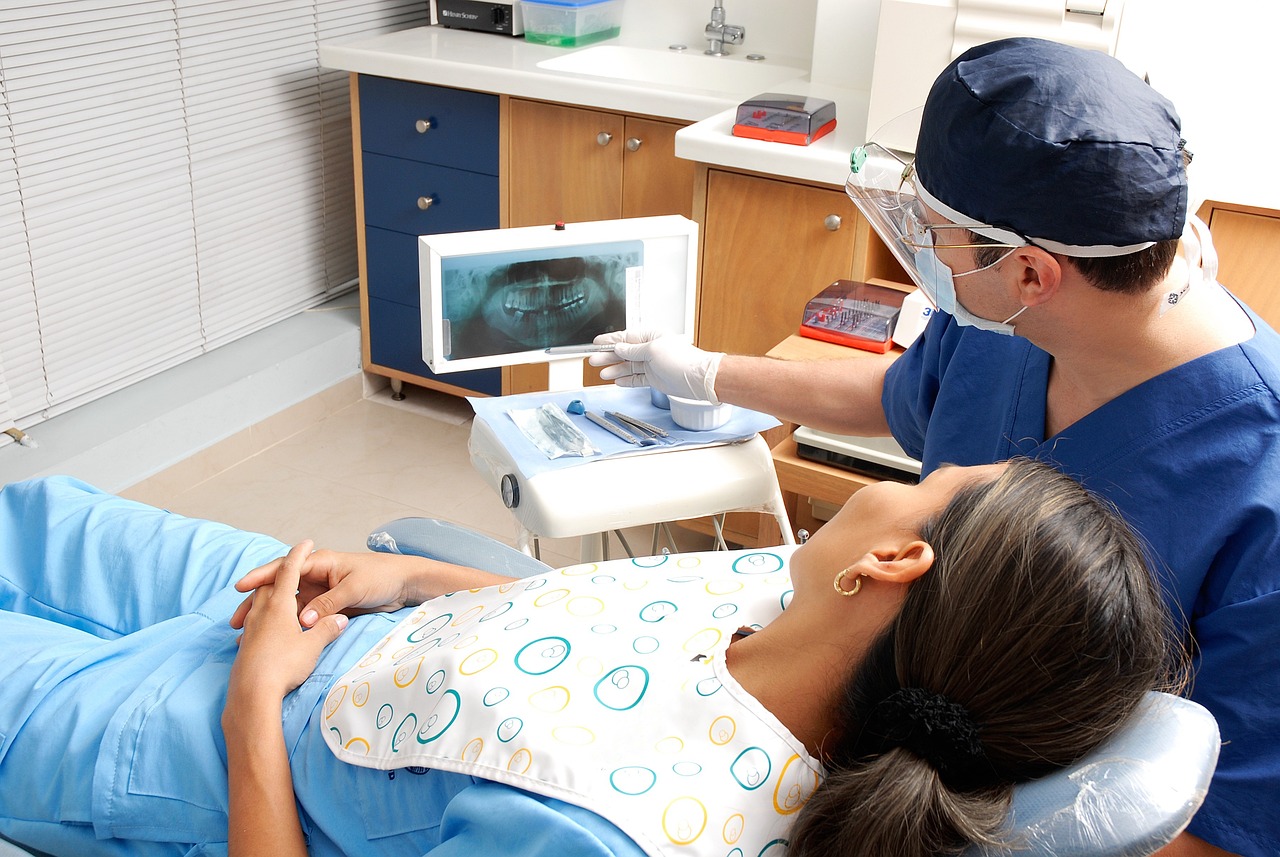
Patients are increasingly turning to AI assistants for direct recommendations and calling the practices that appear in those responses, shifting away from traditional comparison shopping through Google search results. This transformation demands a new approach to digital visibility - one that considers machine readability.
When a patient wakes up with a severe toothache on Saturday morning, their first instinct increasingly involves opening ChatGPT and asking, "Who's a good emergency dentist near me?" Within seconds, AI provides specific recommendations, and many patients call immediately without further research. This represents a dramatic compression of the traditional patient journey.
Recent data from CallRail's analysis of nearly 30 million inbound business calls reveals that approximately 0.104% now originate from AI search tools. While this percentage may seem small, it represents thousands of real patient conversations across the healthcare sector. ChatGPT currently drives about 90% of AI-influenced calls, followed by Perplexity at 6%, Claude at 4%, and Gemini at 1%.
This shift mirrors the early adoption of mobile search. What starts as a small percentage of patient interactions quickly becomes the dominant method of discovery.
The fundamental difference between traditional search and AI recommendations lies in patient confidence levels. Previously, patients searched until they felt confident about their choice. Now, AI delivers that confidence in a single answer, making the recommended practice the likely choice rather than just one option among many.
The majority of dental practice websites remain structurally invisible to AI models, despite significant investments in design, content, and traditional SEO. This invisibility stems from fundamental architectural issues that prevent AI systems from properly parsing and understanding practice information.
AI models don't interpret websites the way humans do - they read raw code and structured data. Most dental websites lack JSON-LD schema markup that defines services using vocabularies like MedicalProcedure, Service, or DefinedTerm. Without these semantic tags, AI cannot confidently identify what procedures a practice offers, even if the information appears clearly to human visitors.
When a website mentions "dental implants" or "Invisalign" as plain text without proper markup, AI systems cannot create retrievable units of meaning. The content becomes unstructured noise rather than interpretable data that can be cited in recommendations.
AI models cross-reference practice information across dozens of platforms - Google Business Profile, Healthgrades, Yelp, social media, and dental directories. When Name, Address, and Phone (NAP) information varies even slightly between platforms, AI systems flag the practice as potentially unreliable.
This inconsistency problem compounds for multi-location practices where each office may have different operating hours, services, or contact information listed incorrectly across various platforms. AI requires perfect data alignment to recommend practices with confidence.
Traditional dental websites often present services in unstructured blog posts or generic "Our Services" pages. A 1,500-word article titled "Our Approach to Cosmetic Dentistry" without semantic sectioning or defined entities provides no clear signals to AI about specific procedures offered.
AI systems require content organized in retrievable chunks with clear hierarchical headings (H1, H2, H3) and structured sectioning using elements like mainEntity, FAQPage, and definedTerm. Without this organization, even excellent content remains invisible to AI recommendation engines.
Achieving visibility in AI recommendations requires specific technical implementations that go beyond traditional marketing approaches. These strategies focus on making practice information machine-readable and structurally trustworthy to AI systems.
AI models like Google Gemini pull real-time data directly from Google Business Profiles and Google Maps. Complete accuracy becomes critical - every detail from operating hours to accepted insurance plans must be current and detailed.
Upload fresh photos regularly, list specific services using exact terminology ("emergency dentistry," "Invisalign," "dental implants"), and maintain detailed descriptions that include service areas and specializations. AI algorithms use this structured data as a primary source for practice recommendations.
Schema.org markup serves as the universal language that AI systems use to understand website content. Every service page should include MedicalProcedure schema that defines the procedure name, description, and related conditions treated.
Provider pages require Person schema with medicalSpecialty properties, educational credentials, and sameAs links to professional profiles. FAQ sections need FAQPage markup that structures questions and answers for easy AI retrieval. This markup transforms a visually appealing website into a machine-readable database.
AI models recommend practices that demonstrate clear expertise through well-organized, semantically rich content. Instead of generic service descriptions, create detailed pages that answer specific patient questions like "Is teeth whitening safe for sensitive teeth?" or "What to expect during dental implant surgery."
Develop content clusters around complex procedures - separate detailed pages for different types of dental implants, various orthodontic options, or specific cosmetic procedures. Consider using consistent, clear terminology across all content to improve AI comprehension, aligning with established medical language where appropriate.
AI systems analyze review sentiment and extract specific keywords to understand patient experiences. Generic praise like "great dentist" provides less value than detailed reviews mentioning specific treatments: "Excellent experience with my root canal - completely painless procedure."
Encourage satisfied patients to mention particular services, technologies used, or aspects of care they appreciated. AI algorithms weigh these specific mentions heavily when determining which practices to recommend for particular procedures or patient needs.
Conduct regular audits of practice listings across all online platforms to ensure Name, Address, and Phone information remains perfectly consistent. Even minor variations like "Street" versus "St." or different phone number formatting can create trust issues for AI systems.
Maintain detailed spreadsheets tracking all online presence locations and implement quarterly reviews to catch and correct any discrepancies before they impact AI recommendation algorithms.
The traditional patient journey involved multiple research phases - searching, comparing websites, reading reviews, checking credentials, and then deciding which practice to call. This process could take hours or even days as patients carefully evaluated their options.
AI has compressed this journey into seconds. A patient asks a specific question like "best pediatric dentist in downtown Seattle" and receives one or two targeted recommendations. The AI has already processed the comparison shopping, review analysis, and credibility verification that patients previously did manually.
This compression creates higher stakes for every missed call. When AI recommends a practice, the patient arrives with greater confidence and readiness to book. However, if the practice doesn't answer promptly or provide excellent phone service, there's rarely a second chance - the patient returns to AI for another recommendation.
The practices that appear in AI recommendations benefit from pre-qualified leads who are further along in the decision process. These patients have already received validation that the practice matches their specific needs, making conversion rates significantly higher than traditional search-driven inquiries.
The window for early adoption advantage in AI recommendations is rapidly closing. Practices that implement proper structural optimization now will build cumulative authority as AI systems form memories and associations around their brand and services.
Begin with basic infrastructure - ensure NAP consistency across all platforms, implement schema markup on key service pages, and optimize Google Business Profile with detailed, accurate information. These foundational steps immediately improve AI visibility and provide measurable improvements in recommendation frequency.
The future of dental patient acquisition belongs to practices that understand AI systems as recommendation engines rather than search tools. Early adoption provides compound benefits as these systems become the primary method patients use to find healthcare providers.


