AI-driven security systems are gaining traction as property crime rises across Canada. AI-powered security system developer VideoGuard pinpoints flaws in traditional monitoring and emphasizes how machine learning can cut false alarms and improve emergency response.
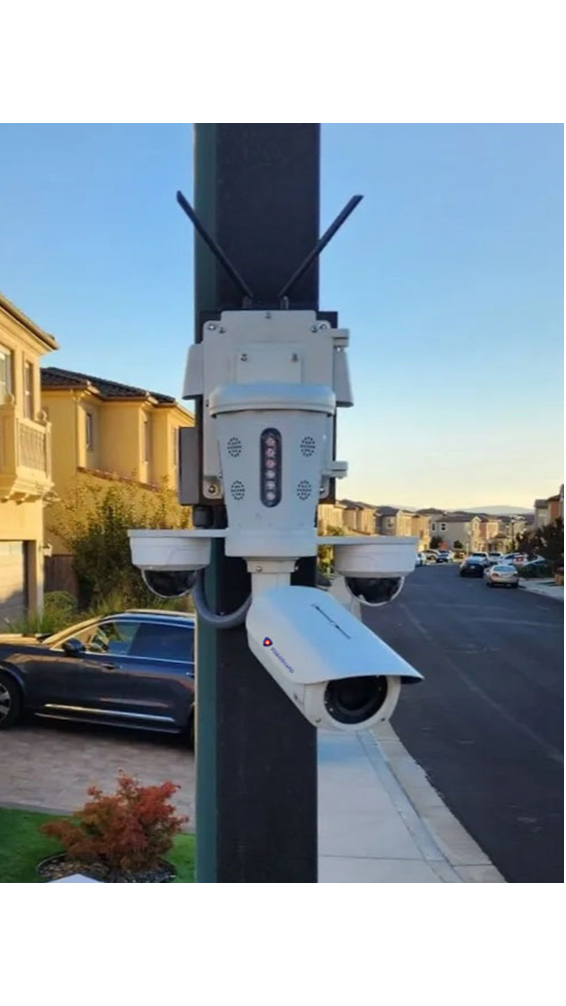
Reports of burglary, shoplifting, and other property-related offenses have increasingly dominated local headlines across North America, with many communities noting an upward shift even as violent crime continues to decline.
Specialists at VideoGuard, a Canadian security provider, note that property crime trends are diverging. Canadian data show property crime growing at a faster pace than in the United States, according to the Fraser Institute. Local spikes highlight the same concern south of the border: in Birmingham, Alabama, police reported a 9.1% rise in property crime in the first half of 2025, while California has seen a whopping 48% increase in shoplifting in the post-pandemic era.
Adoption of video-based security has expanded steadily, with outdoor cameras and smart doorbells among the most common devices. Analysts say these products have become entry points into home surveillance, particularly as prices have fallen and installation has become simpler. Still, VideoGuard warns that reliance on human monitoring or delayed homeowner reaction leaves many households exposed.
Even platforms promoted as “automatic” often depend on operators spotting threats or residents responding to smartphone alerts. “That creates a significant vulnerability,” VideoGuard explains. “If the person monitoring is distracted or a notification is missed, consequences can escalate quickly.”
Newer AI models are improving the signal-to-noise ratio. Legacy motion-triggered systems frequently generate false alarms due to shadows, pets, or weather conditions. VideoGuard says its hybrid model filters out much of this noise before escalating alerts to a virtual guard, who confirms events and, when necessary, contacts authorities.
Industry observers suggest several considerations are shaping adoption decisions:
In areas prone to property crime, AI-assisted systems are increasingly viewed as the next stage of home security. As algorithms improve, experts expect fewer false positives and quicker escalation—setting a higher baseline for protection across the market.


