Digital employees handle tenant questions, maintenance, and compliance 24/7—freeing property teams for higher-value work. The secret? A unified data universe. Properties with strong data strategies see faster service, happier tenants, and lower costs. Real results come from connecting data and smart AI together.
Property management feels like playing communication whack-a-mole most days. One tenant needs the pool hours, another wants to report a leaky faucet, someone else forgot their parking rules, and the phone keeps ringing with the same questions you answered yesterday. Meanwhile, your small team juggles maintenance coordination, lease renewals, and strategic planning.
Sound familiar? You're not alone—and there's a better way to handle the constant stream of tenant communications without hiring an army of staff or working 16-hour days.
Property management is a people business. But for most teams, it can feel like playing defense. There’s always something that needs attention—a call about rent, an email about parking, a tenant who can’t get into the gym, a work order for a leaky pipe. And that’s before you even get to the stack of lease renewals, vendor follow-ups, or compliance paperwork waiting on your desk.
Maybe you’ve seen it firsthand. A manager fields a dozen calls before lunch. Each one eats a little more time. The same questions come up again and again: “When’s my lease renewal?” “Where do guests park?” “Who do I call for repairs?”.
The phone rings, email dings, and staff juggle requests across apps, texts, and social channels.
Now multiply this across dozens, hundreds, or thousands of tenants.
It’s not just inconvenient—it’s costly. Research shows that repetitive tenant inquiries and fragmented communications can eat up 40% or more of a property manager’s time each week.
Two days out of five, lost to answering the same questions.
But it’s not only about efficiency.
Tenants judge a property by how responsive it is. If they wait hours for a simple answer, frustration grows.
Over time, these little moments add up. Communication quality is a top factor in whether tenants renew or move out.
In other words, bad communication costs you money.
This is where digital employees make a real difference.
Forget what you know about the old “chatbot” days. Those were clunky, menu-based scripts that left tenants frustrated and property teams cleaning up after them.
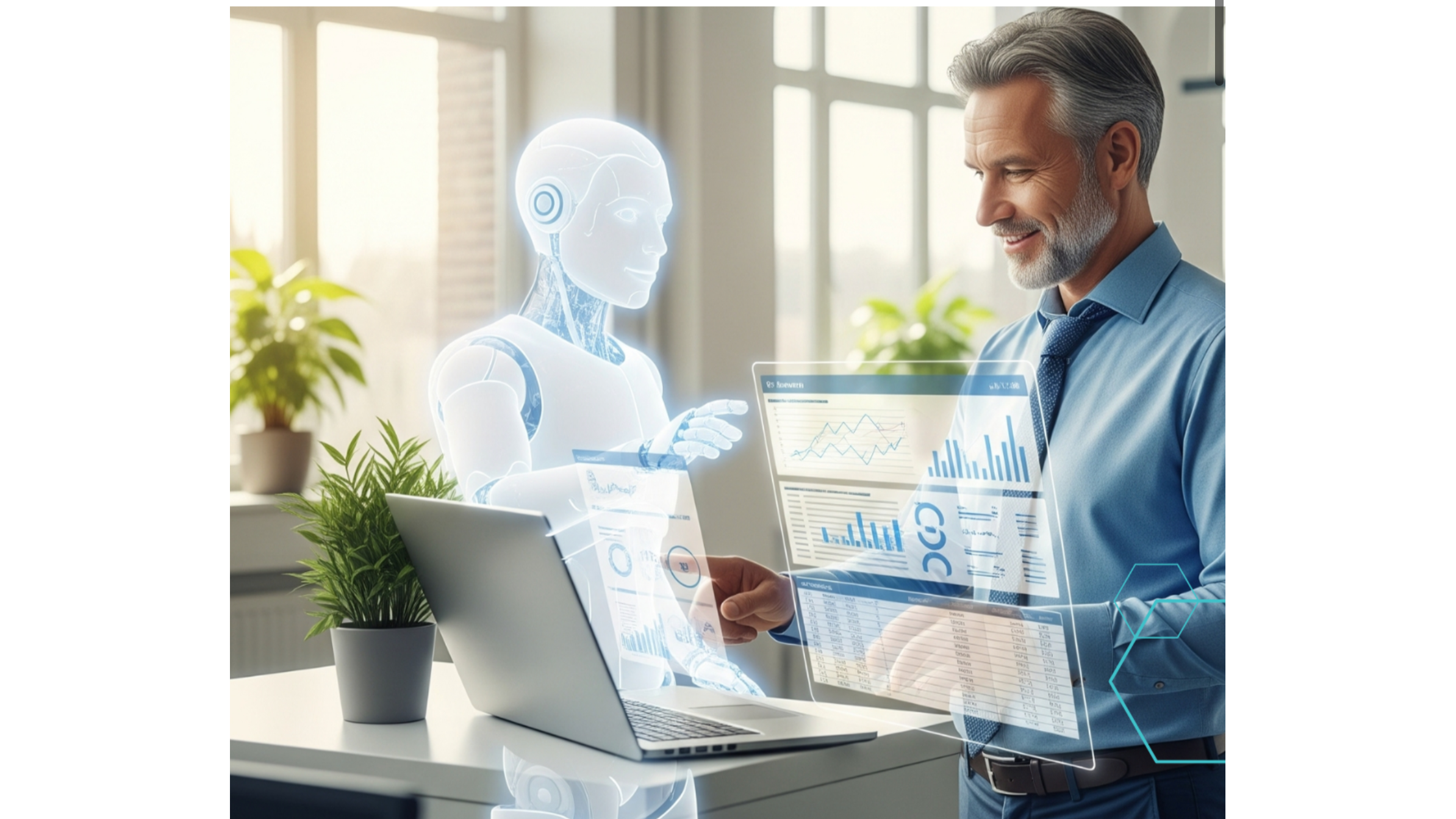
Today’s digital employees are conversational, context-aware, and connected to your real property data.
Imagine this:
It’s 11:30 at night. A tenant texts, “My heat’s not working.”
No need for someone to pick up the phone or check emails in the morning.
The digital employee recognizes this as an urgent request, pulls the tenant’s unit information, checks the maintenance schedule, and—if it’s truly an emergency—escalates it to on-call staff, logs the issue, and sends the tenant an estimated response window.
No delays. No confusion.
Or maybe it’s a simple question: “What are the pool hours for this weekend?”
The digital employee checks the building’s amenities schedule (even if it changed for the holiday) and sends an instant reply.
The tenant gets what they need, without waiting for business hours or digging through their lease.
But here’s something many overlook: digital employees only work as well as the data they can access.
If your policies are in one system, maintenance logs in another, and tenant details scattered everywhere, even the smartest AI will fall short.
That’s why successful property owners and managers focus on building a unified data universe.
What does that mean?
It means all your property information—leases, amenities, maintenance records, compliance docs, tenant communications—lives in connected systems that talk to each other.
It’s not magic. It’s good data strategy.
A digital employee who can see everything about a property, a tenant, and a situation delivers faster, more accurate answers.
And as the data universe grows, so does the intelligence of your AI.
Patterns get easier to spot. Repetitive problems stand out sooner.
You move from reacting to anticipating.
Let’s look at maintenance.
This is one of the most common, and most frustrating, parts of property management.
In the old system, a tenant calls or emails. Staff jots down details (maybe on paper, maybe in an app). The request gets entered into a work order system—sometimes right away, sometimes later. Then someone tries to schedule a technician, coordinate with the tenant, and track it all to completion.
It’s not hard to see how things fall through the cracks.
Missed messages. Wrong phone numbers. Delays because someone forgot to follow up.
Digital employees change all of this.
A tenant reports a leaking faucet through chat or text. The digital employee asks a few questions (where is the leak? how urgent?), then automatically creates a work order in the right system, checks which maintenance staff are available, and offers appointment slots to the tenant.
Everything is logged. Nothing gets lost.
When the technician is assigned, the tenant gets an update.
When the job is finished, the tenant gets a confirmation.
If a real emergency pops up—like a major water leak—the system flags it for immediate attention and notifies the right people.
Even better?
The digital employee tracks maintenance patterns. If several tenants in the same building start reporting heating problems, it can flag this trend to the property manager—preventing bigger issues down the road.
Every property manager dreads the paperwork: insurance renewals, compliance checklists, document submissions from tenants and vendors.
Digital employees excel here, too.
Picture a flood of Certificates of Insurance coming in by email.
The digital employee reads each document, compares the coverage against the lease requirements, checks expiration dates, and sends reminders to tenants or vendors if something’s missing.
No more spreadsheets, no more missed deadlines.
Everything is tracked, up-to-date, and audit-ready.
Need to prep for an inspection?
Ask your digital employee for a compliance report.
It can generate a summary of upcoming expirations, outstanding maintenance items, and resolved issues, all in seconds.
Modern digital employees don’t just wait for questions.
They can proactively send out reminders for rent, lease renewals, upcoming community events, or amenity closures.
If your building’s gym is getting new equipment next week, tenants get an alert before they show up and find it closed.
They also learn.
If one resident prefers texts and another wants email, the system adapts.
It remembers which channels get the best responses and adjusts automatically.
And with multilingual support, digital employees can communicate with residents in their preferred language—improving inclusivity and reducing misunderstandings.
Let’s talk about real results.
Properties using digital employees report some impressive stats:
None of this is possible without a solid data strategy.
If you want your AI systems to deliver, start by auditing your current information flows.
Where do tenant questions come from? Where do maintenance requests live? Are compliance docs tracked?
Bring everything together—build that unified data universe.
The properties that succeed don’t just “add AI.”
They get their data in order, integrate systems, and make sure digital employees have what they need to work at their best.
Some managers worry AI will replace human jobs or make things less personal.
But the opposite is true.
When digital employees take on repetitive questions, paperwork, and simple scheduling, your human team has more time for high-value work.
They can build relationships, solve unique problems, and be present for tenants when it matters most.
It’s not about less human connection. It’s about more meaningful interaction, supported by smart tools.
Not all AI is created equal.
Look for platforms built specifically for property management.
You want deep integrations with your core systems, flexibility to grow, and proven results in real-world properties.
Ask for demos. See how digital employees handle actual tenant questions, not just scripted scenarios.
Test their ability to process documents, manage maintenance, and flag compliance issues.
And always choose a system that can scale with your needs.
You might start with 100 units, but make sure your data universe and AI platform can handle much more—without missing a beat.
AI and digital employees are here, and adoption is accelerating.
Voice assistants are getting smarter.
Deeper connections with smart building systems are enabling real-time updates on packages, parking, and amenity usage.
The more unified your data, the more powerful your digital employees become.
They’ll spot patterns you might miss, suggest improvements, and help you deliver a better experience for every resident.
Property owners and managers who get their data universe in order and choose the right technology partners are setting themselves up for success.
The benefits are clear—happier tenants, less busywork, and teams who finally have time for what matters.
Ready to transform your property communication strategy? The technology exists today to eliminate communication bottlenecks and create exceptional tenant experiences. Explore how digital employees can revolutionize your property management and discover what 24/7 tenant satisfaction really looks like.


