The Caribbean’s role in shaping global culture runs deeper than most realize. From revolutionary moments that changed world history to musical traditions dominating international charts, these islands created cultural forces influencing how millions worldwide express themselves and fight for freedom.
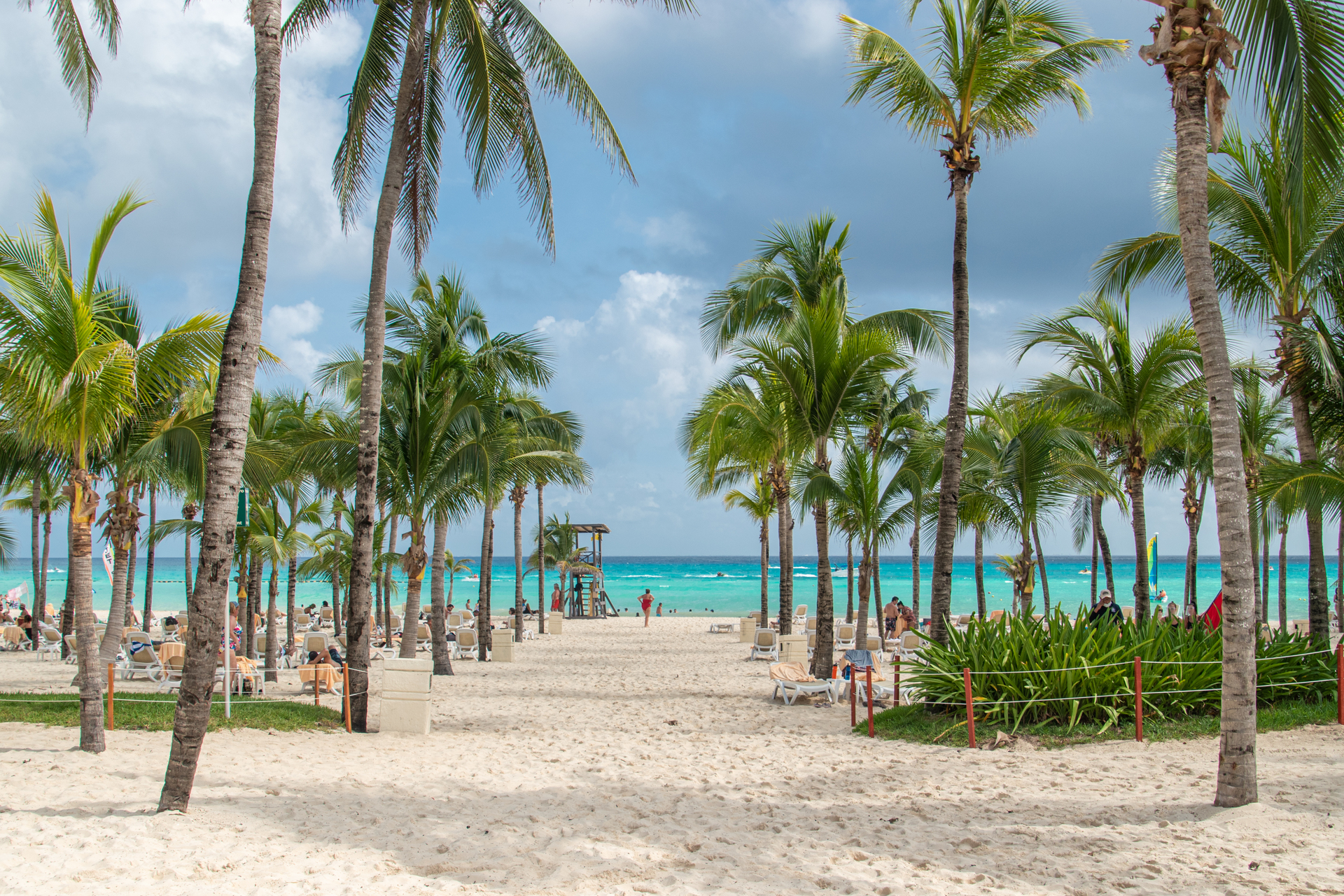
The Caribbean stands at the crossroads of world history, yet most people only see it as a vacation destination with beaches and rum cocktails. This cluster of islands witnessed some of humanity's most transformative moments, from the only successful slave revolution in history to the birth of music genres that now dominate global charts.
Understanding Caribbean culture means looking beyond the surface to see how African heritage merged with European colonialism and indigenous traditions to create something entirely new. The forces that shaped these islands still influence how people live, celebrate, and express themselves today.
Most travelers arrive in Caribbean destinations without knowing the profound historical events that shaped the places they're exploring, missing crucial context for their experiences. The sugar plantations that once dominated these islands created brutal systems of labor that paradoxically became incubators for new cultural forms and resistance movements.
Enslaved Africans couldn't practice their traditions openly, so they disguised spiritual ceremonies within Christian frameworks, creating unique religions like Vodou in Haiti, Obeah in Jamaica, and Santería in Cuba. The Haitian Revolution of 1791 stands as a pivotal moment when enslaved people defeated French colonizers to establish the first Black republic in world history.
This victory sent shockwaves through colonial powers and inspired liberation movements across the Caribbean and beyond, proving that European empires weren't invincible after all. Jamaica, Barbados, and Trinidad saw their own uprisings that eventually forced colonizers to end slavery, though racism and economic exploitation continued long after abolition occurred. These struggles for freedom didn't end with independence but evolved into ongoing fights for economic justice, cultural recognition, and self-determination that continue shaping Caribbean societies.
The Atlantic slave trade brought over six million enslaved Africans to Caribbean islands over three centuries, making it the central hub of this forced migration. The colonies that became the United States imported fewer than 400,000 enslaved Africans before 1807, while the Caribbean received far more to work on massive sugar plantations.
This history created the foundation for cultural practices that remain vibrant today, influencing everything from religious ceremonies to how people express themselves through language. The sheer volume and length of the slave trade in the Caribbean meant that African traditions had deep roots to preserve and adapt.
African drumming patterns, call-and-response vocals, and rhythmic complexity survived slavery by embedding themselves in Caribbean musical traditions that eventually spread worldwide to millions of listeners. Reggae music emerged in Jamaica during the post-independence era as a way to embrace African roots while addressing social injustice and inequality that persisted.
The Rastafarian movement connected closely with reggae, promoting values of unity, equality, and liberation that resonated far beyond Jamaica's shores and into international consciousness. Bob Marley became arguably the most popular musical and political icon on earth three decades after his death, with his face painted on murals everywhere.
Calypso, soca, and dancehall all carry African musical DNA, using rhythm and storytelling to preserve history and comment on contemporary issues facing Caribbean communities today. Harry Belafonte's Calypso album became the first million-selling LP in 1956, introducing Caribbean sounds to mainstream audiences who had never heard these rhythms before.
Hip-hop itself evolved in the Bronx during the 1970s with help from kids with roots in Jamaica and Puerto Rico who brought Caribbean influence. Cuban rhythms spread through salsa and other genres, becoming part of the global musical landscape that people dance to without knowing its Caribbean origins.
Caribbean languages like Jamaican Patois and Haitian Creole blend African linguistic structures with European vocabulary, creating communication systems that reflect the region's complex history and cultural mixing. These aren't broken versions of European languages but sophisticated systems with their own grammar rules and expressive capabilities that emerged from necessity during slavery and colonization.
The way Caribbean people speak carries African tonal patterns and grammatical structures that survived despite attempts to erase African identity through forced assimilation by colonizers. Proverbs and sayings rooted in African wisdom traditions continue shaping how islanders express themselves and pass knowledge between generations without losing their cultural identity.
The phrase "Everything Irie" in Jamaica means everything is alright, showing calmness and contentment even in challenging situations that might overwhelm others with stress. This expression reflects the island's relaxed approach to life and emphasizes finding joy in the present moment rather than worrying constantly about problems. These linguistic patterns aren't just words but carry entire worldviews and philosophical approaches that African descendants maintained through centuries of oppression and hardship.
Religious syncretism allowed enslaved Africans to maintain their spiritual traditions by blending them with Christianity, creating practices that honored both African deities and Catholic saints. Vodou ceremonies in Haiti preserve West African religious structures while incorporating elements forced upon enslaved people by their colonizers, who demanded Christian conversion as policy.
These spiritual traditions provided communities with strength, identity, and resistance during slavery, and they continue to offer cultural continuity in modern Caribbean societies that value them. Drumming, dancing, and ritual practices in these religions serve purposes beyond worship as living connections to African ancestors and cultural heritage that slavery tried to erase.
Many African religious practices survived in Caribbean countries under different names, blending with Christianity to form unique spiritual traditions that outsiders often misunderstand or fear unnecessarily. The influence of African drumming, chants, and dances can still be seen today in popular Caribbean music styles that have roots in these ceremonies. Obeah in Jamaica and Santería in Cuba both maintain African spiritual frameworks while adapting to Caribbean contexts and the pressures of colonial religious conversion.
Caribbean culture doesn't exist in museums but thrives in street festivals, music venues, local markets, and daily interactions between people who carry this history forward naturally. Carnival celebrations across the Caribbean trace their roots to African traditions of masquerade, drumming, and communal storytelling, transformed over centuries into massive public celebrations of identity. These events aren't tourist shows but genuine expressions of cultural identity where communities process their history through creative performance and collective joy that visitors witness.
The food you eat in Caribbean restaurants reflects this cultural fusion, combining African cooking techniques with ingredients available on the islands and flavors introduced by colonizers. Dishes like jerk chicken in Jamaica use African preparation methods and spices that enslaved people brought with them or recreated from memories of their homelands. Understanding this context transforms a meal from simple tourism into participation in living cultural traditions that connect present experiences to centuries of adaptation and survival.
Modern Caribbean identity emerges from this complex history, creating societies that celebrate African heritage while acknowledging other influences that shaped the region over centuries of interaction. Young Caribbean people increasingly reconnect with their African roots by learning ancestral histories, adopting traditional hairstyles and clothing, and building cultural bridges with African nations.
Ghana's "Year of Return" program invited Caribbean diaspora members to visit and settle in Africa, strengthening bonds that slavery tried to sever permanently between continents. These contemporary connections demonstrate how history continues evolving rather than remaining frozen in the past as something only academics study in isolation from real life.
The Caribbean produced leaders and thinkers who influenced anti-colonial movements worldwide, demonstrating the region's outsized impact on global politics and culture despite its small size. Marcus Garvey from Jamaica encouraged Black people to take pride in their African heritage and build their own businesses and communities during the early twentieth century. His message of Pan-Africanism inspired future African leaders like Kwame Nkrumah of Ghana and Jomo Kenyatta of Kenya, showing how Caribbean movements influenced Africa's fight for independence.
Frantz Fanon from Martinique wrote influential works about colonialism and its psychological effects on colonized people, shaping liberation movements across Africa and Asia with his ideas. Aimé Césaire, also from Martinique, developed concepts of Négritude that celebrated Black identity and African heritage when European colonizers dismissed these as primitive or inferior.
Fidel Castro turned Cuba into the center of the Non-Aligned Third World during the Cold War, giving the small island nation international influence beyond its size. These figures emerged from Caribbean experiences with colonialism and slavery, using those perspectives to challenge global systems of oppression and inspire resistance movements on multiple continents.
Experiencing Caribbean culture authentically requires moving beyond resort compounds and engaging with the communities that created and maintain these rich traditions through daily practice and celebration. Cultural heritage sites across the islands offer education about the slave trade, plantation systems, and independence struggles that shaped modern Caribbean societies and their values. Museums, historic plantations, and memorial sites provide context that transforms casual tourism into meaningful cultural exchange when visitors approach them with genuine curiosity and respect.
Local guides who grew up in Caribbean communities offer insights that no guidebook can match, sharing stories passed down through families and explaining cultural practices accurately. Music venues featuring live performances of reggae, calypso, or traditional drumming let visitors experience these art forms in their authentic contexts rather than sanitized versions.
Markets where locals shop and socialize reveal daily life beyond tourist areas, showing how historical influences appear in contemporary Caribbean culture that visitors might otherwise miss. Supporting local businesses and cultural practitioners ensures that tourism dollars benefit the communities, maintain these traditions rather than extracting value without giving back to them.
Caribbean culture invites everyone to participate in traditions that connect the past with the present, offering experiences far deeper than conventional tourism provides through surface-level entertainment. Start by reading about specific islands you plan to visit, focusing on their unique histories and the particular ways African heritage shows up clearly.
Look for cultural centers, heritage sites, and community events that welcome visitors while maintaining authentic practices rather than performing specifically for tourist consumption and photo opportunities. The Caribbean's influence on global culture proves that these small islands shaped the modern world far beyond what their size might suggest to outsiders. Travelers seeking deeper cultural connections discover that understanding history transforms their entire experience from passive observation into meaningful engagement with living traditions.


