The quiet girl staring out the classroom window might not be daydreaming – she might, in fact, have ADHD. With girls diagnosed four years later than boys on average, discover how perfectionism and “good behavior” are masking a serious condition.
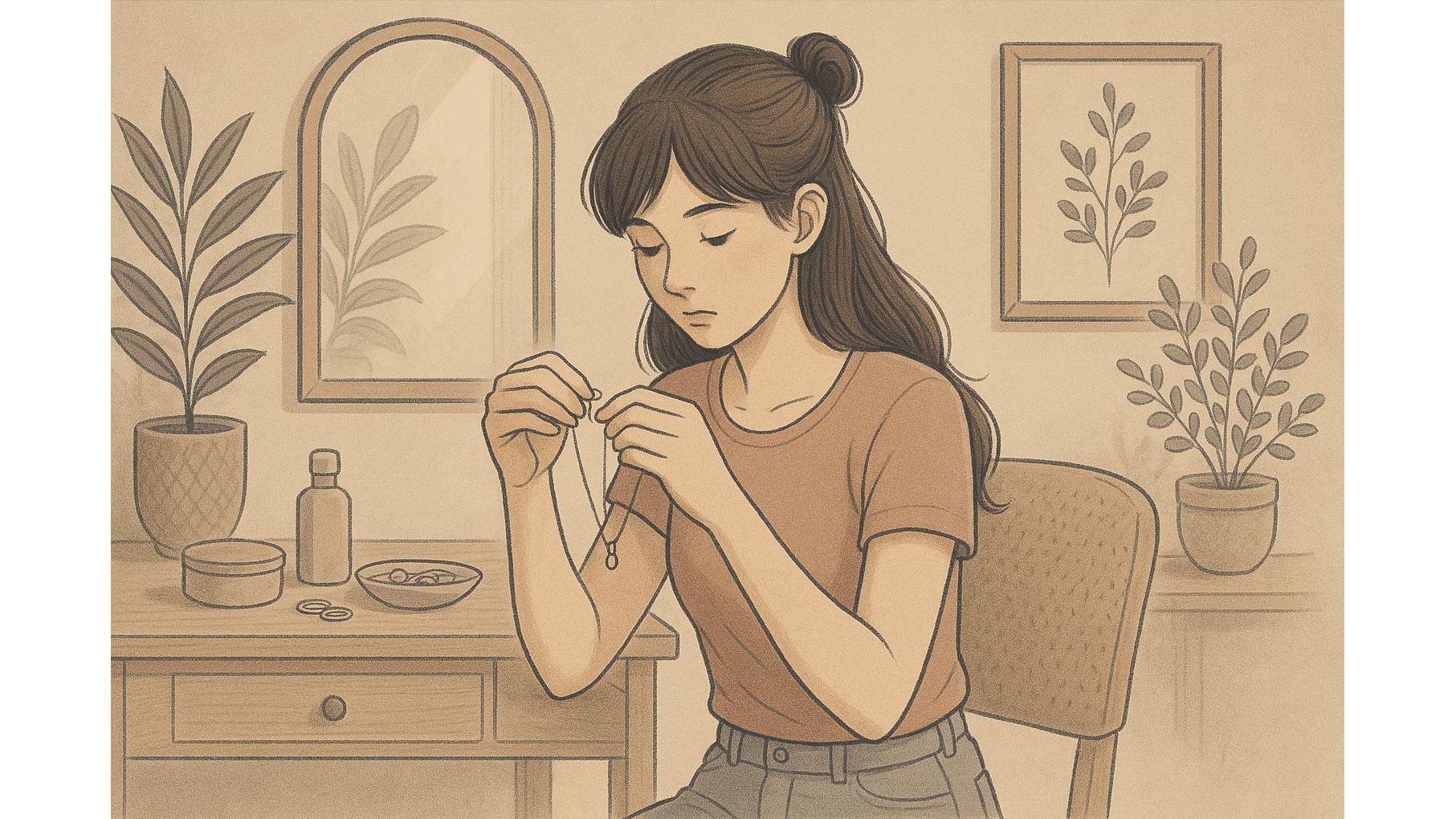
Think that quiet girl sitting in the back corner of the classroom, staring out the window, is lazy or disinterested? Think again - she could be struggling with ADHD symptoms that look dramatically different from the fidgeting, disruptive behaviors typically associated with the condition. While boys with ADHD often display hyperactive symptoms that demand immediate attention, girls tend to internalize their struggles - creating an invisible barrier to proper diagnosis and treatment.
Girls with ADHD are more likely to experience inattentive symptoms that don't disrupt the classroom environment. Instead of jumping out of seats or calling out answers, they may appear spacey, forgetful, or simply disengaged. These presentations often fly under the radar because they don't create the obvious behavioral challenges that prompt referrals for evaluation. The result? A significant gender gap in diagnosis that leaves countless girls without the support they desperately need.
One of the most common, yet overlooked symptoms in girls with ADHD involves frequent daydreaming and mental wandering during important activities. Teachers may notice a student who seems to "zone out" during lessons, appearing to listen but unable to recall or respond to information just presented. These girls often struggle to sustain attention during lectures, reading assignments, or conversations, leading to gaps in learning that compound over time.
Parents might observe similar patterns at home, where their daughter starts chores or homework but becomes mentally absent midway through tasks. Keep in mind that this isn't always defiance or laziness; in fact, sometimes it's a neurological difference in attention regulation that requires understanding and appropriate intervention strategies.
Chronic disorganization is another red flag that frequently gets misinterpreted as carelessness or immaturity. Girls with ADHD often struggle with executive function skills, making it difficult to track assignments, organize materials, or manage time effectively. Backpacks become black holes of crumpled papers, lockers overflow with forgotten items, and important deadlines slip by unnoticed.
These organizational challenges go way beyond school supplies, affecting daily routines and responsibilities. Recognizing these patterns early through detailed symptom checklists can help parents and educators identify when professional evaluation might be beneficial. The key is understanding that repeated forgetfulness and disorganization, despite genuine efforts to improve, may signal underlying attention difficulties rather than character flaws.
Paradoxically, many girls with ADHD develop perfectionist tendencies as a way to compensate for their attention difficulties. They may spend excessive time on assignments, repeatedly checking and rechecking their work, or avoiding tasks altogether due to fear of making mistakes. This "masking" behavior can actually delay diagnosis because academic performance may appear satisfactory on the surface.
And perfectionism often comes with significant emotional costs - including increased anxiety, sleep problems, and social withdrawal. Parents and teachers may praise these girls for their dedication without recognizing the internal struggle and overwhelming effort required to maintain their performance standards.
The numbers reveal a stark disparity in ADHD diagnosis rates between boys and girls. According to recent CDC data, approximately 15% of boys aged 3-17 years receive an ADHD diagnosis, compared to only 8% of girls in the same age range. This significant gap doesn't reflect actual prevalence differences but rather diagnostic biases and symptom recognition challenges that systematically overlook girls' presentations.
The disparity becomes even more pronounced when examining treatment rates. Research indicates that only about 25% of adolescent girls receive ADHD medication prescriptions, compared to nearly 75% of boys. This treatment gap suggests that even when girls receive diagnoses, they're less likely to receive care that addresses their specific needs.
Perhaps most concerning is the timing difference in diagnosis. Studies show that girls with ADHD are diagnosed approximately four years later than boys, with the average age of diagnosis for girls occurring around age 12 compared to age 8 for boys. This delay means girls miss critical early intervention opportunities during elementary school years when academic foundations are established.
The later diagnosis often occurs only when symptoms become impossible to ignore, typically when academic demands increase in middle or high school. By this point, girls may have already developed secondary issues like anxiety, depression, or significant self-esteem problems that complicate treatment and recovery.
Parents and educators should consider professional evaluation when a girl consistently struggles with attention-related tasks despite genuine effort and appropriate support. This includes difficulty completing homework even with reminders and assistance, frequent "zoning out" during conversations or instructions, and challenges following through on age-appropriate responsibilities.
The key indicator is persistence across different settings and situations. If attention difficulties occur only in specific contexts or improve significantly with minor environmental changes, ADHD may be less likely. However, when problems persist despite various interventions and support strategies, professional assessment can provide valuable insights.
Anxiety in girls often serves as a secondary symptom of untreated ADHD rather than a primary condition. Girls who experience excessive worry about academic performance, perfectionist tendencies that interfere with task completion, or social anxiety related to feeling different from peers may benefit from ADHD evaluation alongside anxiety assessment.
The relationship between ADHD and anxiety is particularly important to understand because treating anxiety alone may not address the underlying attention regulation difficulties. Professional evaluation can help determine whether anxiety stems from ADHD-related struggles or represents a separate condition requiring different treatment approaches.
While difficulty maintaining attention gets most of the focus in ADHD discussions, hyperfocus episodes can be equally problematic. Girls with ADHD may become so absorbed in their preferred activities - reading, art, social media, or video games - that they lose track of time and neglect other responsibilities. This pattern can disrupt sleep schedules, meal times, and academic obligations.
Parents should be concerned when hyperfocus episodes regularly interfere with daily functioning or when transitioning away from preferred activities becomes extremely difficult or emotionally distressing. These episodes, combined with attention difficulties in less preferred tasks, may indicate the attention regulation problems characteristic of ADHD.
Early identification and appropriate treatment of ADHD in girls can dramatically improve academic outcomes and long-term life success. When girls receive proper diagnosis and support during elementary or middle school years, they're more likely to develop effective coping strategies, maintain academic confidence, and pursue educational goals that match their abilities rather than their untreated symptoms.
The implications could include improved social relationships, better emotional regulation, and stronger self-esteem. Girls who understand their neurological differences can advocate for appropriate accommodations and develop personalized strategies that work with their brain's unique wiring rather than against it.
Most importantly, early recognition helps girls understand that their struggles aren't character flaws or personal failures but neurological differences that respond well to appropriate support and intervention. This understanding can be life-changing, replacing years of self-blame with self-acceptance and empowerment to seek the help they need to thrive.
For detailed resources and professional guidance on recognizing ADHD symptoms in girls, look for specialized evaluation and treatment services designed to support young people in reaching their full academic and personal potential.


