Military personnel face a silent alcohol epidemic driven by trauma, stress, and drinking culture. Learn about the true impact of this epidemic, as well as the leading treatment options.
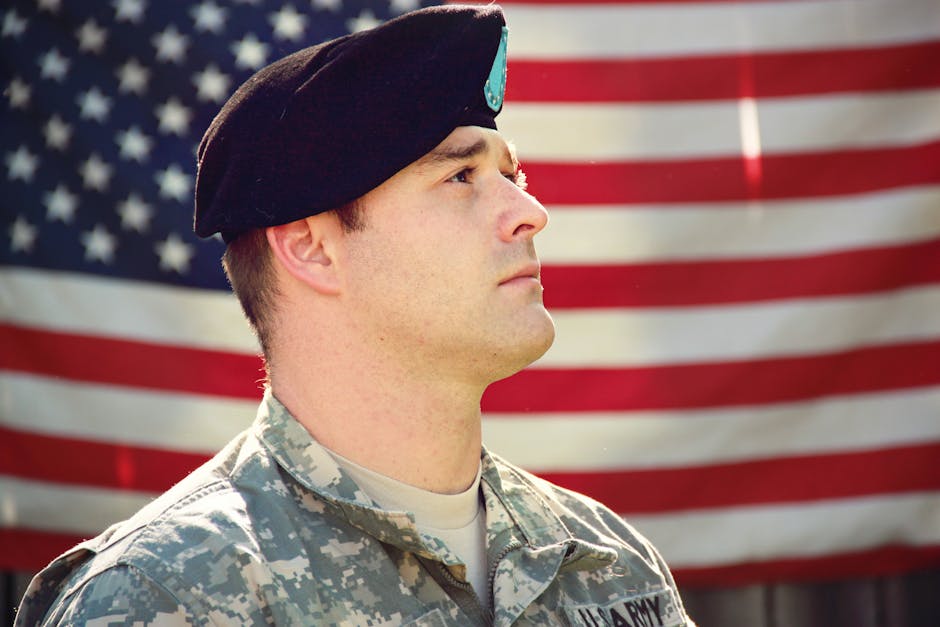
Alcohol abuse has become a silent epidemic within military ranks, affecting readiness, performance, and the personal lives of those who serve. Behind the uniform and discipline that characterizes military service lies a concerning reality: service members battle alcohol dependency at rates that demand urgent attention. This crisis operates largely in the shadows, hidden by a culture that has historically normalized drinking as a stress relief mechanism and bonding activity.
Addiction Resource Center in Yuba City, CA works closely with military personnel to address this growing concern through . Their team explains how prevalence of alcohol misuse significantly impacts military readiness, unit cohesion, and ultimately, the health and wellbeing of those who protect our nation.
Exposure to combat situations and traumatic events significantly increases the risk of alcohol abuse among military personnel. Many service members turn to alcohol as a way to self-medicate the symptoms of PTSD, including intrusive memories, hypervigilance, and sleep disturbances. The psychological burden of witnessing violence, losing comrades, or participating in combat operations creates an overwhelming need for relief – and alcohol often becomes the most accessible solution.
The relationship between trauma and drinking is well-documented. Alcohol temporarily dulls emotional pain and numbs distressing memories, creating a dangerous cycle of dependency as the underlying trauma remains unaddressed.
Military culture has long incorporated alcohol into its traditions and social activities. From celebrating achievements to building unit cohesion, drinking is often central to military social life. Various ceremonies and gatherings frequently feature alcohol as a component, creating an environment where drinking is normalized.
This normalization creates an environment where heavy drinking is not only accepted but sometimes encouraged. The pressure to participate in these activities can make it difficult for service members to maintain moderate drinking habits or abstain altogether.
The availability of alcohol on military installations contributes significantly to problematic drinking patterns. Alcohol is readily accessible on most bases and military installations, creating an environment where drinking becomes an easy and immediate coping strategy.
Additionally, during deployments or while stationed in certain locations, alcohol may be one of the few recreational options available, especially in remote settings. The combination of accessibility and limited alternative activities creates conditions that can promote increased consumption and dependency.
Military service frequently requires separation from family, friends, and established support networks. This isolation can be particularly difficult during deployments, relocations, or training periods. Without their normal support systems, many service members turn to alcohol to manage feelings of loneliness, homesickness, and disconnection.
The transient nature of military life makes it challenging to establish and maintain deep social connections, leaving many to cope with significant life stressors on their own. Alcohol temporarily fills this void, providing artificial relief from isolation while ultimately worsening the underlying issues.
Alcohol misuse directly impacts military readiness and operational effectiveness. Alcohol consumption can impair judgment, slow reaction times, and affect cognitive function. For personnel in high-stress, high-risk positions, these impairments can have serious consequences for both individual and unit performance.
Safety incidents, equipment mishandling, and poor decision-making are all more likely when alcohol is involved. The military's need for peak performance and rapid response capabilities is fundamentally incompatible with alcohol abuse, making this issue not just personal but institutional.
Alcohol-related incidents can derail promising military careers. DUIs, public intoxication, alcohol-related violence, or reporting to duty under the influence all trigger disciplinary actions that can range from formal reprimands to discharge. These consequences affect not only the individual's career but can impact their financial stability and future employment opportunities.
The military's structured approach to discipline means that alcohol-related misconduct can quickly evolve into career-affecting behavior if left unchecked.
Chronic alcohol abuse takes a toll on both physical and mental health. Service members struggling with alcoholism often experience deteriorating physical fitness, compromised immune function, and increased risk for various health conditions.
Mentally, alcohol dependency often worsens the very conditions it's being used to self-medicate. Depression, anxiety, and PTSD symptoms typically intensify with prolonged alcohol abuse, creating a cycle that becomes increasingly difficult to escape without professional intervention.
Alcohol abuse doesn't just affect the service member—it impacts their entire family. Military families already face unique stressors including frequent relocations, deployments, and the constant worry about their loved one's safety. When alcoholism enters the picture, it creates additional tension, financial strain, and emotional distress.
Relationship challenges and family conflicts are common consequences of untreated alcohol problems. Children in these households may also be affected by the disruption alcohol creates in family functioning and stability.
TriCare-approved Intensive Outpatient Programs offer structured treatment while allowing military personnel to maintain their daily responsibilities. These programs typically involve attendance 3-5 days per week for several hours each day, providing comprehensive care without requiring hospitalization.
IOPs combine evidence-based therapies including group counseling, individual therapy, and educational components specifically designed to address the unique challenges facing military members. The flexible scheduling of these programs makes them particularly valuable for active-duty personnel who need to balance treatment with their military obligations.
For military personnel with moderate to severe alcohol use disorders, 30-day residential rehabilitation programs provide the intensive structure and support needed for recovery. These programs remove service members from environments where alcohol is accessible and place them in therapeutic settings focused entirely on healing.
TriCare covers these residential programs, which typically include medically supervised detoxification when necessary, followed by comprehensive therapeutic interventions addressing both addiction and any co-occurring mental health conditions. The immersive nature of these programs allows for significant progress in a relatively short timeframe, making them ideal for service members who need to address serious alcohol dependency.
Recognizing the strong connection between combat trauma and alcohol abuse, TriCare covers specialized dual-diagnosis programs that simultaneously address PTSD and substance use disorders. The Patriot Support Program offers trauma-specific interventions alongside addiction treatment, providing integrated care for the complex challenges many service members face.
These specialized programs employ evidence-based trauma therapies alongside substance abuse treatment protocols. By addressing both conditions concurrently, these programs help break the cycle of using alcohol to self-medicate trauma symptoms.
Many service members hesitate to seek help due to concerns about career impact or stigma. TriCare-covered confidential counseling services offer a critical entry point to care that protects privacy while providing essential support. These services include various options for service members concerned about confidentiality.
Through confidential counseling resources, service members can access support for issues related to alcohol use before these problems escalate to levels requiring more intensive intervention. This early, discreet support can prevent the progression of alcohol misuse and connect individuals with appropriate resources when needed.
TriCare recognizes that alcohol abuse affects the entire family unit and covers support services for spouses, children, and other family members of military personnel struggling with alcohol dependency. These family-focused programs include educational components about addiction, counseling services, and guidance on creating healthy home environments that support recovery.
By strengthening the family system, these resources not only improve outcomes for the service member in treatment but also address the stress experienced by loved ones. This comprehensive approach acknowledges that sustainable recovery requires healing within the entire family context.
Effective alcohol treatment for military personnel must address the high rates of trauma exposure in this population. Trauma-informed care protocols recognize that substance use often represents an attempt to manage unresolved trauma and approach treatment with this understanding at the forefront.
These specialized protocols create environments of physical and emotional safety and incorporate trauma-specific interventions alongside addiction treatment. By addressing the underlying trauma driving alcohol use, these approaches achieve more sustainable recovery outcomes than addiction treatment alone.
One of the most significant barriers to treatment for active-duty personnel is the conflict between treatment schedules and military responsibilities. Recognizing this challenge, many TriCare-approved programs offer flexible scheduling including evening sessions, allowing service members to receive care without compromising their military obligations.
This practical accommodation removes a critical obstacle to accessing treatment and demonstrates an understanding of the unique demands placed on military personnel. By making treatment logistically feasible, these programs significantly increase participation and completion rates among active-duty service members.
Treatment delivered by clinicians who understand military culture and experiences dramatically improves engagement and outcomes. Many TriCare-approved programs specifically employ providers with specialized training in military cultural competence.
These clinicians understand the unique stressors, terminology, and experiences of military life, creating an environment where service members feel understood without having to explain or translate their experiences. This cultural competence builds trust more quickly and allows treatment to address military-specific concerns that civilian providers might miss.
Recognizing the need for help with alcohol abuse takes courage—the same courage that defines military service. For service members struggling with alcohol dependency, taking the first step toward recovery involves reaching out to available resources through military healthcare channels, chaplain services, or directly to TriCare-approved treatment facilities.
The path to recovery is not a sign of weakness but rather a demonstration of the strength and resilience that characterizes military personnel. By using the specialized resources available, service members can overcome alcohol dependency and return to peak personal and professional performance.
Addiction Resource Center provides specialized treatment programs designed to address the unique challenges of alcohol abuse in the military context, offering a path to recovery that honors the service and sacrifice of military personnel.


