Choosing your first drum kit shouldn’t be overwhelming, but most beginners overlook the one factor that decides whether their new kit becomes a daily practice tool or an expensive bedroom decoration.
Choosing between acoustic and electronic drum kits as a beginner can feel like stepping into a debate that never ends. Everyone online has a strong opinion, and half of them contradict the other half. But the real answer is much simpler: it all comes down to where drumming fits into your daily life. This guide strips out the noise and focuses on the practical details that actually matter for beginners and the people who live with them.
For most new drummers, the deciding factor isn't sound quality or "authentic feel"—it's noise. Acoustic drums regularly hit 90 to 130 decibels, which is the range of a chainsaw or a rock concert. That level of volume makes regular practice nearly impossible in apartments, condos, or homes with shared walls unless you're prepared for complaints… or a full soundproofing renovation.
Electronic drums remove this problem almost entirely. With headphones, you can practice at any hour, and the physical tapping on mesh heads averages around 60 to 65 decibels—audible, but manageable for small spaces. This single difference changes drumming from a hobby that needs its own room into something you can fit into a bedroom or basement without drama.
According to musicians at Sam Ash, understanding your noise limitations upfront is the biggest factor in choosing the right starter kit. Their range includes acoustic sets for players with dedicated space and electronic kits built specifically for apartment-friendly practice, making it easier for beginners to match the instrument to their living environment.
Acoustic drums create sound through the physical vibration of wooden shells, metal hardware, and bronze cymbals. Everything—from stick angle to force—changes the tone. That tactile response teaches real control: the difference between a feather-light ghost note and a full backbeat isn't something you can shortcut.
Real drumheads also react to brushes, mallets, and different stick techniques in ways electronic pads still struggle to imitate, though high-end e-kits are getting closer. This authenticity builds muscle memory that translates directly to live playing, where acoustic kits remain the standard.
Acoustic drums have one volume setting: loud. Even with a light touch, you're still projecting enough sound to travel through apartment walls. Drum shields, isolation mats, and dampening accessories can help, but they don't solve the core issue: an acoustic kit is simply a loud instrument.
Soundproofing a room properly means sealing air gaps, treating walls and ceilings, and installing sound-rated doors and windows. That level of renovation usually costs more than the kit itself, which is why many beginners—regardless of musical goals—find acoustic setups unrealistic at home.
Getting professional-quality recordings from an acoustic kit requires more than a good performance. You need microphones—often eight to 12—placed strategically around the kit, multi-channel recording gear, and a room treated to control reflections. Even budget setups reveal just how much the room affects the final sound.
Home recording is absolutely possible, but achieving consistent, studio-level results usually demands more investment in acoustics than in the drums.
Electronic drums remove the biggest barrier for beginners: the fear of disturbing everyone within a 20-meter radius. With headphones, you can practice at full volume at 2 AM without waking anyone up. That freedom usually becomes the difference between practicing every day and only playing when the neighbors happen to be out.
The only acoustic sound you hear is the physical stick-on-pad contact, which sits around normal conversation level. Even without headphones, the volume stays manageable for apartment living, but headphones offer access to the full tone and dynamics built into the module.
Electronic drum modules usually come loaded with tools beginners would otherwise have to buy separately—metronomes, timing analyzers, play-along tracks, and Bluetooth or aux inputs for practicing with songs. These features give new drummers immediate feedback on timing and consistency without needing extra gear.
USB connectivity also lets you record directly into a computer without microphones, interfaces, or room treatment. You get clean, isolated drum tracks every time, which makes it easier to monitor progress or share recordings with teachers.
Modern electronic kits use mesh heads for a more natural rebound and stick response. The playing feel sits much closer to acoustic drumheads than the rubber pads older kits were known for, while still keeping volume low. Mesh heads are durable and require very little upkeep. There's no shell hardware loosening, no cymbal cracking, and no constant retuning.
For beginners who want to focus on playing rather than maintenance, this lower cost and hassle factor becomes a major advantage.
The Pearl Roadshow kit delivers more than you'd expect at its price. The poplar shells produce a warm, balanced tone that works across rock, jazz, and general practice, and the full-package setup means beginners don't have to hunt down separate hardware, cymbals, or a throne. Everything comes matched, assembled, and ready to tune.
Pearl's hardware reputation shows up here too. The stands, pedals, and mounts are sturdy enough to handle daily practice without the constant readjustments that cheaper kits often need. The tuning range is flexible, giving beginners room to grow as their ear develops.
The Tama Imperialstar is a favorite among beginner and intermediate drummers because it offers a reliable mix of tone, durability, and value. Its poplar shells provide a strong tonal foundation, and Tama's hardware engineering keeps everything stable. The all-in-one package removes the guesswork that comes with building a kit piece by piece. Tama includes matched cymbals, solid hardware, and a comfortable throne, which often ends up costing less than assembling components individually.
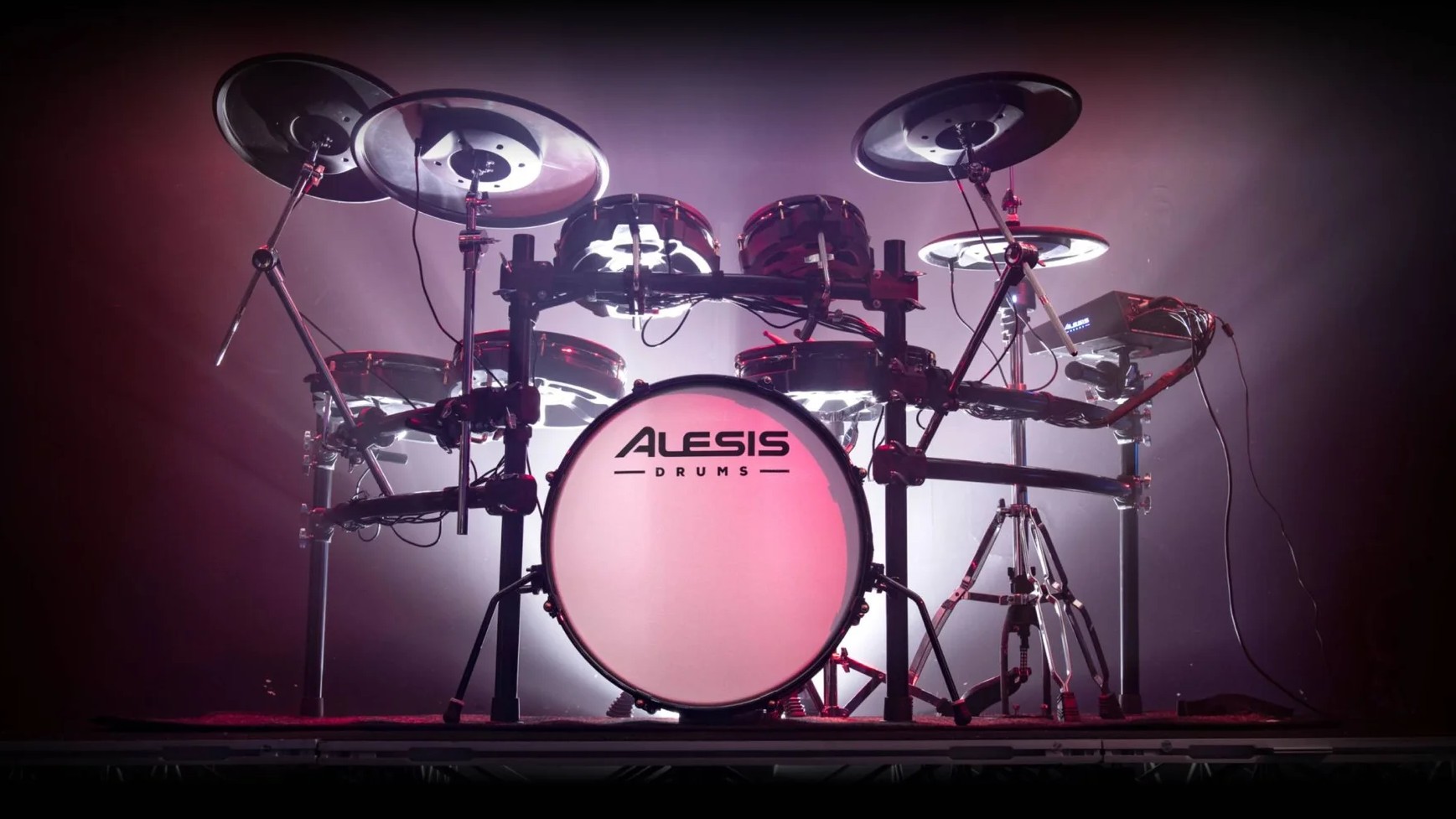
The Alesis Nitro Max stands out in the entry-level electronic category by offering mesh heads on every drum surface. The rebound feels closer to an acoustic kit than rubber pads, and the reduced pad noise keeps things apartment-friendly.
The module includes more than 400 sounds covering rock, jazz, electronic, and world percussion styles. Built-in lessons, a metronome, and USB connectivity make practice structured and recording straightforward. The rack system is adjustable enough to fit younger players, adults, and anyone in between.
The Roland TD-02KV delivers an impressively realistic playing experience for its size and price. The mesh heads offer responsive stick feel, and Roland's sound engine produces acoustic tones that react naturally to dynamics and technique.
The coaching features analyze timing and consistency, while Bluetooth lets players stream music directly for play-along practice. The onboard recorder captures sessions for review, and Roland's build quality means fewer adjustments and longer component lifespan. For beginners who want a solid long-term kit, experts recommend this model for its reliability and learning tools.
The best beginner drum kit is the one that removes the most roadblocks between you and daily practice. Acoustic drums are unbeatable when noise isn't an issue and the goal is to play live—but in apartments or shared homes, they often turn into expensive décor the moment neighbors start knocking.
Electronic drums lean into accessibility. Headphones make it possible to practice at any hour, and for most beginners, that freedom matters more than the subtle feel differences purists argue about. Consistent practice builds skill—not the kit type by itself.
So look at your environment honestly. Can you play an acoustic kit without creating problems? If the answer involves hoping neighbors are lenient or squeezing practice into tiny approval windows, an electronic kit will deliver far more long-term value simply by letting you play whenever you want.
Ultimately, it comes down to priorities: authentic acoustic feel and live-stage preparation, or quiet flexibility and built-in learning tools. Either path leads to real progress as long as you can sit down and play regularly.
To choose the right style compare acoustic and electronic options suited to different spaces and goals, with knowledgeable staff who can walk beginners through choosing the setup that fits their playing habits and living situation.


