Wondering whether to invest in an acoustic or digital piano? Professional pianists explain the authentic resonance and feel of traditional instruments versus the convenience, portability, and extra features of their electronic counterparts.
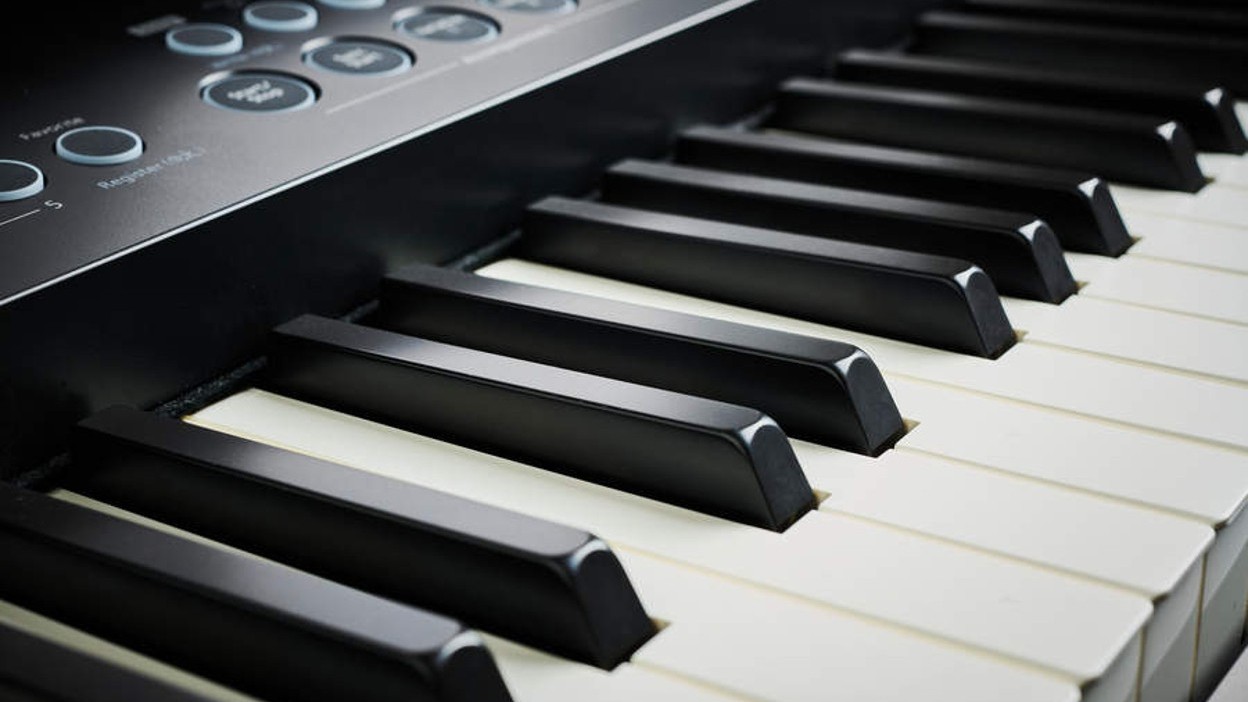
The physical sensation of playing a piano profoundly impacts technique development and musical expression. This tactile element varies significantly between acoustic and digital instruments in ways both obvious and subtle. Many retailers, such as Sam Ash, offer a wide range of instruments to match different playing needs, spaces, and budgets.
Acoustic pianos feature intricate mechanical actions where each key connects to a hammer that strikes strings. This creates natural resistance that pianists must overcome to produce sound. In grand pianos, gravity returns the keys to their resting position - while upright pianos use springs for this return movement.
Digital pianos employ various technologies to simulate this weighted feeling. Premium models use sophisticated hammer action systems with actual weights inside the keyboard to mimic the resistance of acoustic keys. This physical response is crucial for developing proper finger strength and control.
On acoustic pianos, bass keys naturally feel heavier than treble keys because the hammers striking bass strings are physically larger. This graduated feeling across the keyboard is essential for developing proper technique and expressive playing.
Quality digital pianos replicate this graduated weight system with heavier action in the bass that becomes progressively lighter toward the treble. This graded hammer action helps players build finger strength and technique that transfers seamlessly between different piano types.
Traditional acoustic piano keys feature white keys made from plastic (or ivory in vintage instruments) and black keys made from ebony or other hardwoods. These materials provide specific tactile sensations that affect how fingers grip the keys.
Modern digital pianos now offer textured key surfaces that simulate the feel of ivory and ebony. These synthetic textures help prevent fingers from slipping during play and absorb moisture from the hands, significantly improving the playing experience.
The most significant difference in touch between piano types? The feedback sensation. Acoustic pianos provide physical feedback through the entire playing mechanism. You can feel the hammer striking the string and vibrations traveling back through the key.
Digital pianos can't fully replicate this physical feedback loop, though high-end models are coming increasingly close through carefully engineered key return mechanisms. This subtle difference is often what experienced pianists notice first when switching between instruments.
Acoustic pianos demand regular professional attention. Tuning is recommended at least twice yearly, with additional tunings needed after moving the piano or during significant seasonal humidity changes. Beyond tuning, acoustic pianos require periodic regulation (adjustment of the mechanical action), voicing (tone adjustment), and internal cleaning.
Digital pianos need minimal maintenance. There's no tuning required, as sounds are digitally stored. Occasional cleaning of the keys and exterior, along with ensuring connections remain dust-free, is typically all that's needed for proper care.
Well-maintained acoustic pianos can last for generations. That's often 50+ years for quality instruments. Many pianos from renowned manufacturers remain playable and valuable a century after construction, though they may require restoration.
Digital pianos have a more limited lifespan, typically around 10-15 years with proper care. Electronic components eventually become outdated or may fail, and replacement parts become increasingly difficult to find as models are discontinued.
Acoustic pianos are highly sensitive to environmental conditions. Fluctuations in humidity and temperature cause wood to expand and contract, affecting tuning stability and potentially causing structural issues. Ideally, acoustic pianos should be kept in climate-controlled environments with stable humidity levels.
Digital pianos are much less sensitive to environmental conditions, though extreme temperatures should still be avoided to protect electronic components. They can be placed in various locations within the home without concern for humidity fluctuations or direct sunlight.
Grand pianos require substantial floor space, with sizes ranging from:
Beyond the piano's footprint, you need additional space for the bench and room to open the lid for optimal sound projection. A grand piano typically becomes the centerpiece of any room it occupies.
Upright pianos take up less floor space but still require a dedicated area:
While the footprint is smaller than a grand piano, uprights still weigh several hundred pounds and require professional movers when relocating.
Digital pianos offer significant advantages in terms of space and mobility:
This portability makes digital pianos particularly appealing for those with limited space, performing musicians, or anyone who may need to relocate frequently.
Acoustic pianos produce genuinely organic sounds with natural harmonics and resonance that come from their physical construction. When a note is played, you hear not just the struck string but also sympathetic vibrations from other strings and the soundboard. This creates a rich, three-dimensional sound that changes subtly with each keystroke.
Digital pianos have made remarkable progress in sound reproduction, however. Premium models use advanced sampling technology to record each note of a concert grand at multiple dynamic levels, capturing nuances like hammer noise, damper release, and string resonance. While digital reproduction can't perfectly match the acoustic experience, the gap continues to narrow with each technological advancement.
Acoustic pianos produce one primary sound—the traditional piano tone we all recognize. While pianists can modify this sound through technique and pedaling, the instrument itself is limited to its signature voice.
Digital pianos shine in their versatility, offering dozens or even hundreds of instrument sounds beyond traditional piano. These typically include:
This variety makes digital pianos exceptionally versatile for different musical genres and creative experimentation.
Acoustic pianos require external equipment to record performances. This typically involves microphones, audio interfaces, and recording software - creating a more complex setup that captures room acoustics along with the piano sound.
Most digital pianos feature built-in recording functions that allow players to capture performances directly to the instrument's memory or to a connected USB drive. This makes it easy to:
Acoustic pianos have no inherent connectivity features. Any integration with technology requires additional equipment like MIDI sensors or microphones.
Digital pianos excel in connectivity, offering various ways to interact with other devices:
These connectivity options make digital pianos powerful tools for modern musicians who integrate their instrument with music production software, learning apps, or performance setups.
Acoustic pianos offer a traditional learning experience but lack built-in educational features. Learning typically requires external resources like method books, teachers, or separate apps and devices.
Many digital pianos include features specifically designed to aid the learning process:
These built-in learning tools can make self-directed practice more effective and engaging, especially for beginners.
Acoustic pianos represent a significant investment:
Digital pianos offer more accessible price points:
The ongoing costs of piano ownership differ significantly between the two types:
Acoustic piano maintenance includes:
Digital piano maintenance is minimal:
Over a 10-year period, acoustic piano maintenance can add $3,000-$10,000 to the total cost of ownership, while digital piano maintenance remains minimal.
Acoustic pianos, particularly those from prestigious manufacturers, can retain significant value when properly maintained. Some premium pianos may even appreciate over time, especially rare or historical models. However, lower-quality acoustic pianos may depreciate considerably.
Digital pianos generally depreciate like other electronic devices, losing substantial value as technology advances and newer models are released. Unlike acoustic pianos, digital models rarely appreciate in value regardless of their condition or brand.
Choosing between acoustic and digital pianos ultimately comes down to your specific needs, goals, and circumstances. Consider these key questions to guide your decision:
Remember that there's no wrong choice. Both acoustic and digital pianos can provide years of musical enjoyment and expression. Many serious pianists eventually own both types to enjoy the unique benefits each offers.
Sam Ash offers expert guidance to help you find the perfect piano for your musical journey, whether you're looking for a traditional acoustic experience or a feature-rich digital instrument.


