Installing an EV charger in Oakville costs $1,950-$2,200, takes 2-6 months, and requires specific permits most homeowners don’t know about. From avoiding costly electrical panel surprises to weatherproofing for -40°C winters, these five insights could save thousands on your home charging setup.
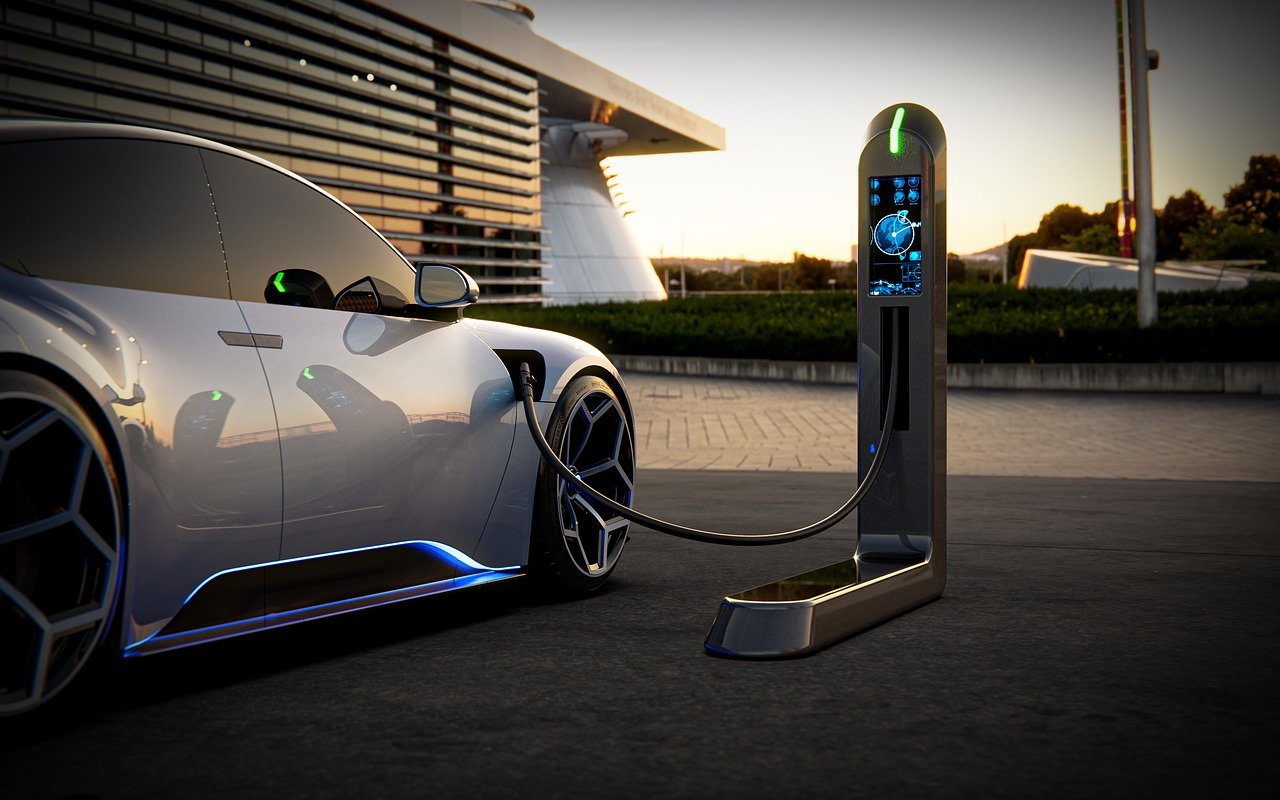
Picture this: You pull into your driveway after a long day, plug in your electric car, and wake up to a full battery every morning. No more gas station detours, no more waiting in line. But before you can enjoy this convenience, there's a journey ahead. Getting an EV charger installed in your Oakville home involves permits, electrical work, and decisions that can save (or cost) you thousands.
Here's what you need to know: A basic home charger installation runs between $1,950 and $2,200 for most Oakville homes. If your electrical panel needs to be upgraded, add $2,000 to $3,000. Every installation requires permits from the Electrical Safety Authority (ESA), and the work must be performed by a licensed electrician. The whole process takes about 2 to 6 months from start to finish. While government rebates dried up a few years ago, many homeowners still move forward with professional EV charger installation for the daily convenience and long-term savings.
Every EV charger in Oakville needs two things: an ESA permit and possibly a building permit from the town. The ESA permit costs at least $88, and your electrician files for it before starting work. This isn't red tape for the sake of it. Without proper permits, your insurance won't cover electrical fires, and you'll face problems when selling your home.
Starting May 2025, Ontario has new electrical rules for EV chargers that help homes with older electrical systems handle the extra power load safely. Your electrician gives you an ESA Certificate when the job's done, which proves that everything meets safety standards. Keep it with your important documents.
Living in a condo? Good news: Ontario law protects your right to install a charger. Condo boards must respond within 60 days and can only say no for serious safety reasons. Many condos now have standard processes that make approvals faster, so you need to ask your property manager if they have an EV charger policy before you start.
Let's talk money. A simple installation where your electrical panel has room and sits close to where you'll park costs $1,300 to $1,500. This covers the charger, labor, and permits. Most people pay $1,950 to $2,200 because their setup needs more wiring or work.
The big surprise for many homeowners? Panel upgrades. Older homes often have 100-amp electrical service, but safe EV charging usually needs 200-amp service. Upgrading costs $1,800 to $2,800, plus utility fees. Toronto Hydro charges $978 for its part. Oakville Hydro fees vary by neighborhood. Electricians charge $90 to $130 per hour, with simple jobs taking half a day and complex ones needing a full day or more.
Rebates are mostly gone now as Ontario stopped its program in 2018, while the federal program paused in January 2025. But Toronto offers low-interest loans up to $125,000 for home energy upgrades, including EV chargers. When planning your budget, think ahead: if you're upgrading your panel anyway, size it for two cars or future needs. It costs less to do it right the first time.
Level 2 charging hits the sweet spot for home use, adding 27 to 61 kilometres of range per hour depending on amperage. A 40-amp charger suits most families well, fully charging the car overnight without overloading your electrical system. In contrast, regular wall outlets (Level 1) only add 5 to 8 kilometres per hour—far too slow for daily driving needs. DC fast chargers, while powerful, cost over $50,000 and require specialized electrical infrastructure that homes don’t have.
Your home’s electrical capacity ultimately sets the limits. Newer homes with 200-amp service can usually handle a 40- or 48-amp charger without upgrades, while older homes with 100-amp panels may only support a 16- or 32-amp charger—or might require that panel upgrade we mentioned earlier. Safety rules limit chargers to using just 80% of a circuit’s capacity, so a 40-amp charger must be installed on a 50-amp breaker.
Think about your daily driving habits when choosing a charger. If you drive less than 100 km a day, a 32-amp charger adding around 25 km per hour will be sufficient. Long-distance commuters may benefit from 48-amp charging, but always check your EV's specs—some vehicles can’t accept more than 32 amps regardless of the charger’s capacity.
From your first call to a working charger, expect the process to take 2 to 6 months. ESA permits typically take 1 to 4 weeks, while Town of Oakville building permits may require 4 to 6 weeks. The actual installation only takes 1 to 2 days for most homes, though condos and HOAs often add months due to board meetings and approval processes.
Location affects both convenience and cost. Installing the charger in a garage protects it from weather but requires proper airflow. Driveway setups provide flexibility but demand weatherproof equipment. Every extra meter from your electrical panel adds about $75 to $150 in wiring costs, so plan ahead. Most chargers come with 18 to 25-foot cables—choose a location that allows easy reach to your car’s charging port.
For outdoor installations, mounting the charger on a post offers the most flexibility. Consider what your neighbors can see and how snow plows move. If your charger is visible from the street, smart chargers with access locks or codes can offer peace of mind. Choose a location that stays clear of snow and ice—you’ll appreciate it when winter hits.
Ontario’s extreme climate—ranging from -40°C to 50°C—means your charger must be built tough. Look for NEMA 4X-rated enclosures, which protect against water, ice, dust, and road salt. While basic NEMA 3R units keep rain out, 4X-rated chargers provide better resistance to corrosion from winter road spray. Canadian-made chargers like FLO are built with aluminum cases and cold-resistant cables that stay flexible even in frigid temperatures.
Cold weather can reduce your vehicle’s range by 20 to 40 percent and also slows charging, especially at the start while the battery warms up. To combat this, keep your vehicle plugged in overnight and use its preheat feature to warm the battery before charging begins. Be prepared for longer charge times during deep freezes.
Outdoor chargers should be mounted high enough to avoid being buried in snow, and the connector holder should be angled downward to prevent ice buildup. Indoor setups in garages avoid most weather issues but still require proper ventilation. A simple roof or overhang on outdoor chargers helps protect both the equipment and the person plugging it in.
One of the biggest mistakes homeowners make is failing to calculate their total electrical load. Things may work fine—until you run the dryer, oven, and car charger simultaneously and start tripping breakers. Always add up your home’s energy use with the charger running at full power, and keep total demand under 80% of your panel’s capacity. Hiring unlicensed contractors to save money can lead to fire hazards, insurance issues, and costly rework.
Location missteps can become daily frustrations. Chargers installed in awkward corners or far from parking areas create tripping hazards and cable headaches. Not planning for a second EV down the line can mean costly modifications later. Some people opt for Level 1 charging to avoid upgrades, only to realize it can’t meet their daily driving needs. Others purchase chargers without Canadian safety certifications, risking voided warranties and safety compliance problems.
Skipping permits might seem harmless until you try to sell your home or file an insurance claim. Even if your electrician is licensed, always confirm they pull permits and provide documentation. Keep all inspection reports, permits, and receipts. DIY installations often void both product warranties and home insurance policies—any money saved upfront isn’t worth the long-term risks.
Start by hiring a licensed electrician who specializes in EV chargers. Verify their license number through the ECRA/ESA website, and ask for references from recent installations. Get detailed, written quotes that include labor, equipment, permits, and any expected extra costs. Be cautious of prices that seem too low, contractors who won’t pull permits, or anyone pushing you toward a specific brand.
Ask about the electrician’s experience with EVs, their familiarity with local permitting processes, and what kind of warranty they offer. Good contractors will explain load calculations, suggest chargers suited to your home and vehicle, and handle utility coordination. Make sure your quote includes ESA permits, inspection certificates, and weatherproofing for outdoor units.
For most homes, plan to spend between $2,000 and $2,500, with extra set aside if you need a panel upgrade. Rebates are limited, but you’ll save money on gas, enjoy daily convenience, and likely increase your home’s value. Homes with EV chargers tend to sell faster and for more, so get started now to beat the spring rush and enjoy worry-free charging by next winter. Reach out to a licensed professional in Oakville, compare quotes carefully, and work with those who understand EV requirements in your area. When you unplug your fully charged car each morning, you’ll be glad you planned ahead.


