Did you know coastal dune lakes exist in only five places on Earth—and 15 of them are hidden along Florida’s Highway 30A? If you’re planning a vacation beyond the ordinary, these natural wonders and charming communities might change everything you thought you knew about getaways.
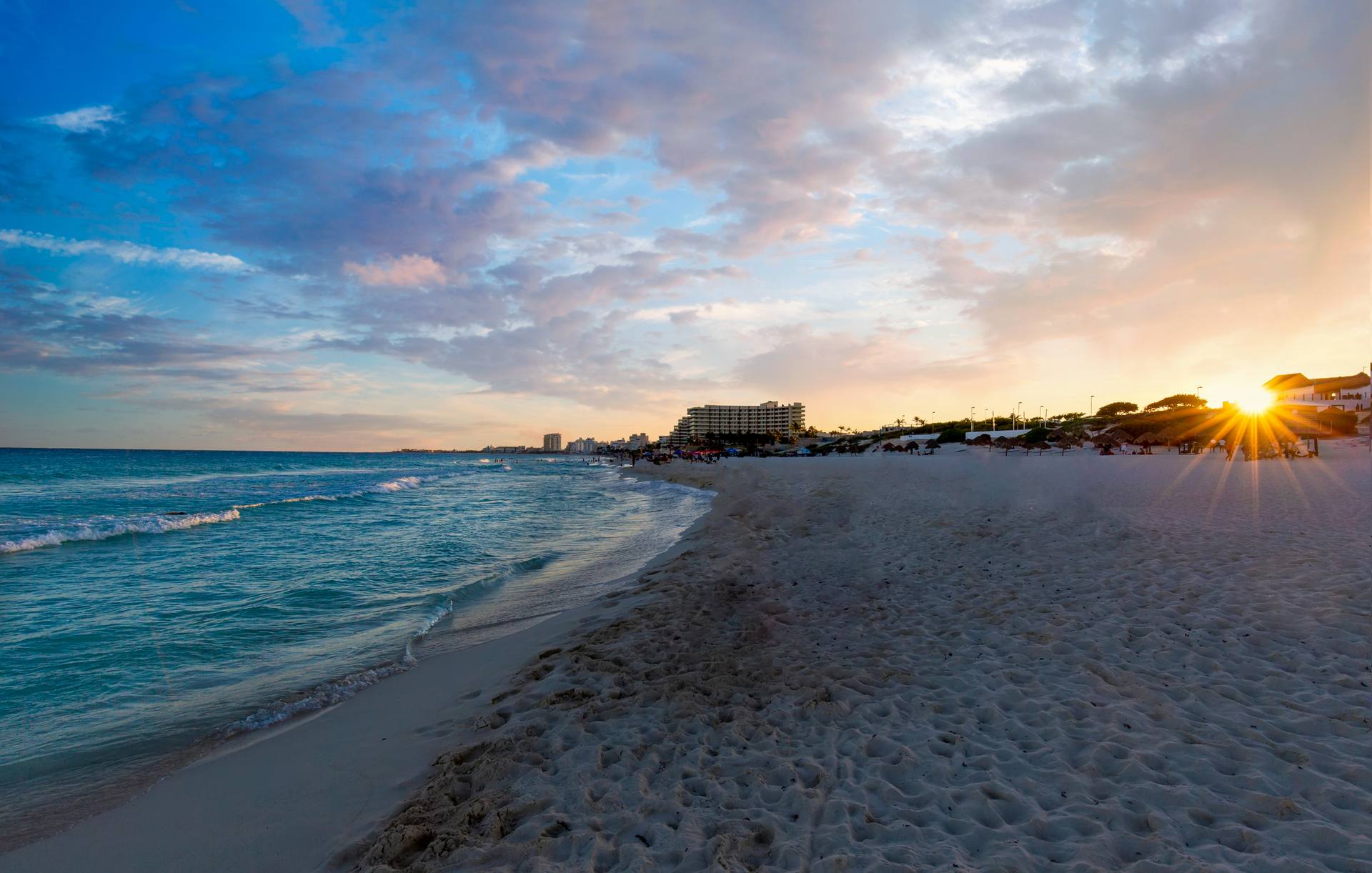
Florida's Scenic Highway 30A is a 24-mile corridor where geological history and urban planning converge. Unlike the high-rise density found in much of the Panhandle, this stretch of the Emerald Coast is defined by its "New Urbanism" roots and a commitment to preserving rare ecosystems. For visitors, the draw is often the sugar-white sand—a result of quartz grains migrating from the Appalachian Mountains over 20,000 years ago—but the regional identity is defined by what lies just behind the dunes.
The 30A experience is decentralized. Rather than a single city center, the highway connects 16 distinct beach communities, each functioning as a self-contained neighborhood with a specific aesthetic and pace. Moving from west to east, these include:
Additional enclaves like WaterSound West Beach, Seacrest West, Seaglades, and Gulf Place broaden the options for those seeking specific rental atmospheres.
On 30A, the traditional hotel is the exception, not the rule. The region was developed with a focus on residential-style accommodations, making 30A vacation rentals the standard for intrepid travelers. This model supports a more integrated local experience, where visitors live within the communities rather than observing them from a resort tower.
The inventory across these communities ranges from efficient beachfront condos in areas like Dune Allen to massive "vertical" luxury homes in Rosemary Beach that can sleep 20 or more guests. Many of these properties function as private retreats, equipped with elevators, chef's kitchens, and outdoor living spaces.
A critical factor in planning a 30A trip is understanding the fee structures of major booking platforms. Sites like Airbnb and Vrbo typically charge a "guest service fee" that can add 6% to 16% to the total cost. By utilizing resources that connect travelers directly to local 30A hosts, guests can eliminate these intermediary markups. On a $5,000 weekly rental, this strategy can save a family between $300 and $800—funds that are better spent on local dining or bike rentals.
Unlike hotels that tack on daily resort fees for pool or gym access, vacation rentals provide these amenities as part of the base stay. Private pools are a high-demand feature on 30A, allowing families a controlled environment for children after a day at the beach. Full kitchens also serve as a major cost-saver, allowing for at-home breakfasts and lunches while saving high-end dining for the evening.
The 15 coastal dune lakes of South Walton are perhaps the most misunderstood features of the region. They are brackish, permanent bodies of water that sit within just a few hundred feet of the Gulf of Mexico.
These lakes are primarily freshwater, fed by groundwater and rain. However, when water levels reach a certain height, the pressure breaches the sunes, creating a temporary channel known as an "outfall." This allows freshwater to pour into the Gulf and saltwater to flow back into the lake. This exchange creates a unique ecological "soup" where both saltwater and freshwater species coexist.
First-time visitors often notice the tea-colored water of the lakes. This is not due to pollution; it is caused by natural tannins from surrounding pine and oak trees. These tannins are essential to the health of the lake, providing nutrients for the diverse bird and fish populations that thrive here.
To choose the right rental, one must understand the distinct "vibes" of the anchor towns.
Seaside is the focal point of the corridor. Since its founding in the early 1980s, it has influenced urban planning worldwide. Its central square features "Airstream Row"—a collection of food trucks in vintage trailers—and an amphitheater that hosts movies and concerts. The town is entirely walkable, with a network of "hidden" footpaths connecting the residential streets to the beach.
Alys Beach is often cited as one of the most beautiful towns in America. Its architectural code requires all-white masonry, inspired by the architecture of Bermuda and Antigua, Guatemala. For travelers, it offers a quieter, high-end experience with amenities like Caliza Pool, a 100-foot infinity-edge pool that serves as the community's centerpiece.
The unofficial slogan of Grayton Beach reflects its commitment to remaining "funky." It is one of the few places where you can still find older Florida beach shacks alongside multi-million dollar homes. It is also the only beach on 30A where permitted vehicles (driven by local permit holders) can drive directly onto the sand.
The 30A corridor is designed for movement. The Timpoochee Trail is an 18.5-mile paved path that runs the entire length of the highway. It is separated from vehicle traffic, making it the primary artery for the thousands of bicycles and golf carts that move through the area daily.
Three state parks—Topsail Hill Preserve, Grayton Beach, and Deer Lake—provide over 200 miles of nature trails.
When planning a stay, timing is as important as location. The "shoulder seasons"—specifically late April, May, and October—offer the best balance of warm weather and lower rental rates. During the peak summer months, most rentals follow a strict Saturday-to-Saturday schedule, and the most popular homes are often booked six to twelve months in advance.
By engaging with local hosts and expert listing platforms, travelers gain access to regional knowledge that automated booking sites cannot replicate—from the best local fishing spots on the dune lakes to which communities currently have the most reliable golf cart access.
The 30A corridor is more than a beach destination; it is a case study in how rare ecology and thoughtful architecture can create a vacation experience that feels both luxurious and grounded in the natural world. Whether you are paddling the tea-colored waters of Western Lake or biking the Timpoochee Trail at sunset, the 30A experience remains one of the most unique coastal journeys in the United States.


