Think you need a 12-step routine for glass skin? This strategic 3-serum approach uses just hyaluronic acid, vitamin C, and retinol—but the timing and layering sequence can make or break your results.
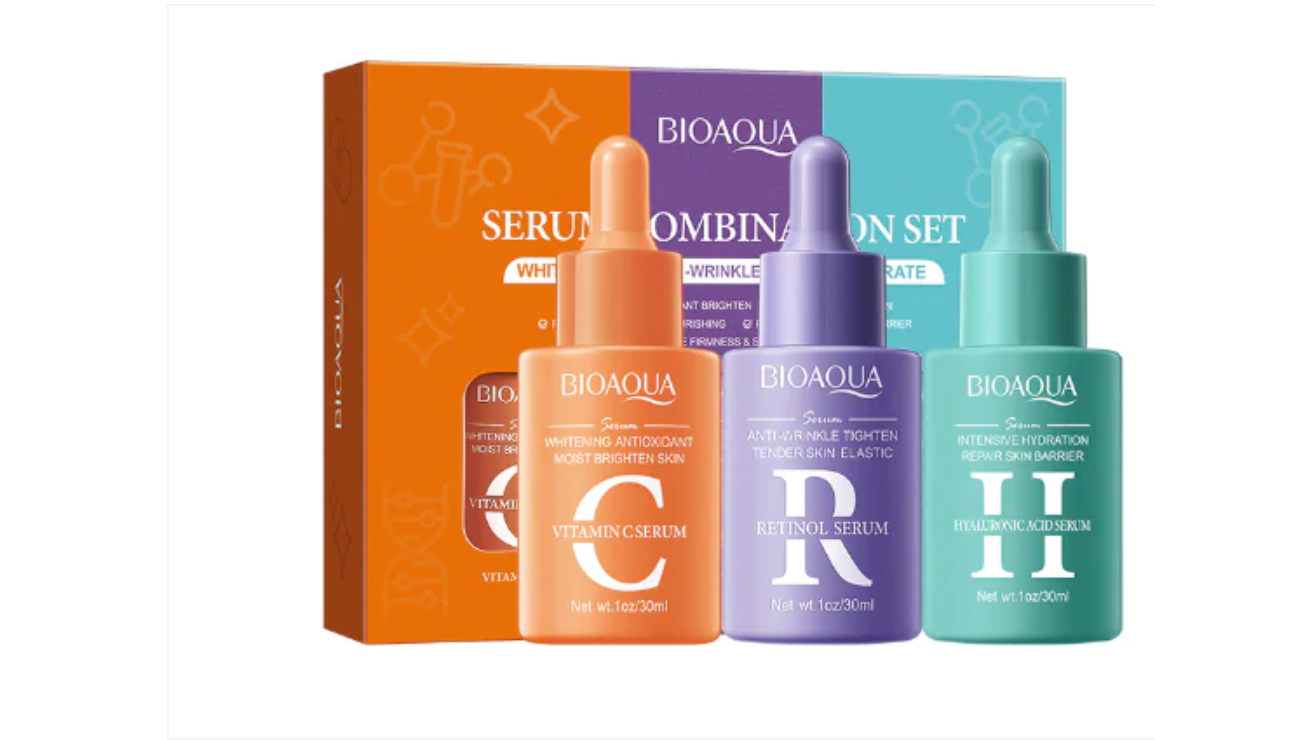
The pursuit of glass skin doesn't require an extensive 12-step routine or premium department store prices. This Korean beauty trend, characterized by exceptionally smooth, luminous, and deeply hydrated skin, can be achieved through strategic serum layering that targets the fundamental processes of skin health.
Glass skin represents more than just another beauty trend—it's a complexion that appears so smooth and radiant that it resembles polished glass reflecting light. This coveted look stems from skin that's deeply hydrated, has refined texture, and maintains optimal barrier function. Unlike heavy makeup techniques that create artificial shine, glass skin emerges from genuinely healthy skin that naturally reflects light due to proper hydration and cellular turnover.
The foundation of this luminous complexion lies in three core skin functions: moisture retention, protection from environmental damage, and consistent cellular renewal. When these processes work harmoniously, skin develops the plump, smooth texture and natural radiance that defines the glass skin aesthetic. The key insight from dermatological research shows that achieving this look requires ingredients that work synergistically rather than competing for absorption or neutralizing each other's benefits.
Creating an effective glass skin routine requires selecting serums that complement rather than compete with each other. The BIOAQUA A-Hyaluronic Acid Face Serum Set exemplifies this strategic approach by combining three powerhouse ingredients in properly formulated concentrations. Each serum targets a specific aspect of skin health while working together to create the glass skin effect.
Hyaluronic acid serves as the foundation of any glass skin routine because of its remarkable ability to bind significant amounts of water—up to 1,000 times its weight according to many studies, which helps to hydrate and plump the skin. This molecule works by drawing moisture from the environment and deeper skin layers to the surface, creating immediate plumping effects that smooth fine lines and improve skin texture. The American Academy of Dermatology specifically recommends hyaluronic acid for acne-prone and oily skin because it delivers intense hydration without clogging pores or adding excess oil.
The key to hyaluronic acid's effectiveness lies in its molecular structure, which allows it to penetrate multiple skin layers while creating a moisture barrier on the surface. This dual action addresses both immediate hydration needs and long-term moisture retention, making it vital for achieving the dewy, plump appearance characteristic of glass skin.
Vitamin C transforms skin through multiple pathways that directly contribute to the glass skin aesthetic. This powerful antioxidant brightens skin tone by inhibiting melanin production, reduces hyperpigmentation, and stimulates collagen synthesis for improved texture and firmness. Its anti-inflammatory properties help soothe redness and irritation, creating the even complexion needed for light reflection.
Beyond its brightening effects, vitamin C strengthens capillaries and boosts the skin's natural defense against free radical damage from UV exposure and pollution. This protective function prevents the dullness and uneven tone that can interfere with achieving luminous skin. The ingredient's ability to boost collagen production also contributes to the smooth, refined texture that makes skin appear glass-like.
Retinol accelerates cellular turnover, revealing fresh, smooth skin while stimulating collagen and elastin production. This ingredient works at the cellular level to encourage surface skin cell renewal, which eliminates the rough texture and uneven tone that can prevent skin from achieving that coveted glass-like appearance. Regular retinol use leads to visibly thicker skin with improved water retention capabilities.
The transformative effects of retinol extend beyond surface improvements. By promoting deeper structural changes in the skin, including increased collagen density and improved elastin function, retinol creates the firm, resilient foundation necessary for light to reflect evenly across the skin's surface—the hallmark of true glass skin.
The timing of serum application significantly impacts their effectiveness and safety. Understanding when to apply each ingredient ensures maximum benefits while avoiding potential interactions that could cause irritation or reduced efficacy.
Vitamin C works best when applied in the morning because it provides antioxidant protection against environmental stressors encountered throughout the day. Apply vitamin C serum to clean skin before moisturizer and sunscreen, allowing it to create a protective barrier against free radical damage. The brightening effects also complement natural light, boosting the luminous appearance that defines glass skin.
Morning application also allows vitamin C to work synergistically with sunscreen, providing improved protection against UV damage that can cause hyperpigmentation and premature aging. This combination helps maintain the even skin tone needed for achieving and preserving glass skin results.
Retinol should exclusively be used in evening routines because it can make skin more vulnerable to sun damage, so it's crucial to use sunscreen daily. Apply retinol to clean, dry skin, allowing it to work overnight when cellular repair processes are naturally most active. This timing maximizes the ingredient's ability to stimulate collagen production and accelerate cellular turnover.
Evening application also prevents potential interactions between retinol and vitamin C, which can cause irritation when used simultaneously. Separating these powerful ingredients allows each to work at optimal effectiveness while minimizing the risk of adverse reactions.
Understanding the mechanisms behind each ingredient reveals why this three-serum approach delivers superior results compared to random product combinations.
Hyaluronic acid's unique molecular structure allows it to penetrate skin without disrupting the natural barrier function or clogging pores. Unlike heavy moisturizers that can trap impurities, hyaluronic acid works by binding water molecules and creating a breathable hydration layer. This mechanism explains why it benefits all skin types, including oily and acne-prone skin that typically reacts poorly to heavy moisturizing ingredients.
The molecule's ability to adapt its moisture-binding capacity based on environmental humidity levels makes it particularly effective for maintaining consistent hydration. This adaptive quality ensures skin remains optimally hydrated without becoming oversaturated, preventing the greasy appearance that can interfere with the clean, luminous look of glass skin.
Vitamin C functions through two primary mechanisms that directly contribute to glass skin results. As an antioxidant, it neutralizes free radicals that cause cellular damage and premature aging. Simultaneously, it serves as a cofactor in collagen synthesis, promoting the production of new collagen fibers that improve skin texture and firmness.
The ingredient's ability to inhibit tyrosinase, the enzyme responsible for melanin production, explains its effectiveness in brightening skin and reducing dark spots. This brightening effect, combined with improved collagen structure, creates the smooth, even-toned complexion characteristic of glass skin.
Retinol works by binding to specific receptors in skin cells, triggering increased collagen and elastin production while accelerating the natural cell renewal process. This mechanism results in measurably thicker skin with improved texture and reduced fine lines. Clinical studies demonstrate that regular retinol use can increase collagen density by up to 80% over 10-12 months of consistent application.
The ingredient's ability to normalize cellular turnover also helps regulate oil production and prevent clogged pores, making it beneficial for both anti-aging and acne-prone skin. This dual action creates the refined, smooth texture needed for achieving the glass skin aesthetic.
Proper layering technique can determine the success or failure of any skincare routine. The most critical mistake involves applying products in the wrong order, which can prevent absorption or cause ingredients to neutralize each other. Always apply serums from thinnest to thickest consistency, allowing each layer to fully absorb before applying the next product.
Another common error involves combining incompatible ingredients in the same routine. Using retinol and vitamin C together can cause irritation and reduce the effectiveness of both ingredients. Similarly, applying multiple acids simultaneously can damage the skin barrier, preventing the smooth, healthy appearance necessary for glass skin. Timing separation and understanding ingredient interactions are vital for achieving professional-quality results at home.
Over-application represents another frequent mistake that can actually worsen skin condition. Using too much product or applying serums too frequently can overwhelm the skin's natural processes, leading to irritation, breakouts, or excessive dryness. Start with minimal amounts and gradually increase frequency as skin adapts to active ingredients.
Achieving glass skin doesn't require expensive treatments or complicated routines—it requires strategic product selection and consistent application. The three-serum approach provides all the needed elements for transforming skin texture and radiance through scientifically-proven ingredients. Begin with hyaluronic acid to establish proper hydration, add vitamin C for protection and brightness, then incorporate retinol for long-term texture improvement.
Consistency proves more valuable than perfection when building a glass skin routine. Start slowly, allowing skin to adapt to each new ingredient before adding the next component. Monitor skin response and adjust frequency as needed, keeping in mind that sustainable routines deliver better long-term results than aggressive approaches that cause irritation or burnout.
The transformation to glass skin typically becomes visible within a few weeks of consistent routine adherence, with continued improvement over several months as ingredients work to rebuild and refine skin structure. Document progress with photos to track improvements in texture, tone, and radiance as the routine takes effect.
For expertly formulated skincare solutions that make achieving glass skin both affordable and effective, visit the product range at Profiler Digital, where advanced skincare technology meets accessible pricing.


