Winter weather strips away your skin’s natural protective barrier faster than you might realize, but three specific serums can actually repair this damage when used correctly—and one of them can hold 1,000 times its weight in water.
Winter's harsh conditions create the perfect storm for skin damage. Cold air, low humidity, and indoor heating systems work together to strip away the skin's natural protective oils, leaving behind dryness, flakiness, and irritation that can persist long after temperatures warm up.
The skin barrier serves as the body's first line of defense against environmental stressors, but winter weather systematically attacks this protective layer. Cold air contains less moisture than warm air, creating an environment where the skin loses hydration faster than it can be replenished. Indoor heating systems compound this problem by significantly reducing humidity levels, sometimes creating conditions where optimal skin health becomes difficult to maintain.
When the protective barrier becomes compromised, the skin enters a cycle of damage and inflammation. Surface cells begin to lift and flake away, creating microscopic gaps that allow irritants to penetrate deeper layers. This process triggers redness, sensitivity, and can accelerate visible signs of aging as the skin struggles to maintain its structural integrity. Without intervention, winter-damaged skin barriers require consistent care and time to fully recover, making prevention and targeted repair vital for maintaining healthy skin throughout the cold season.
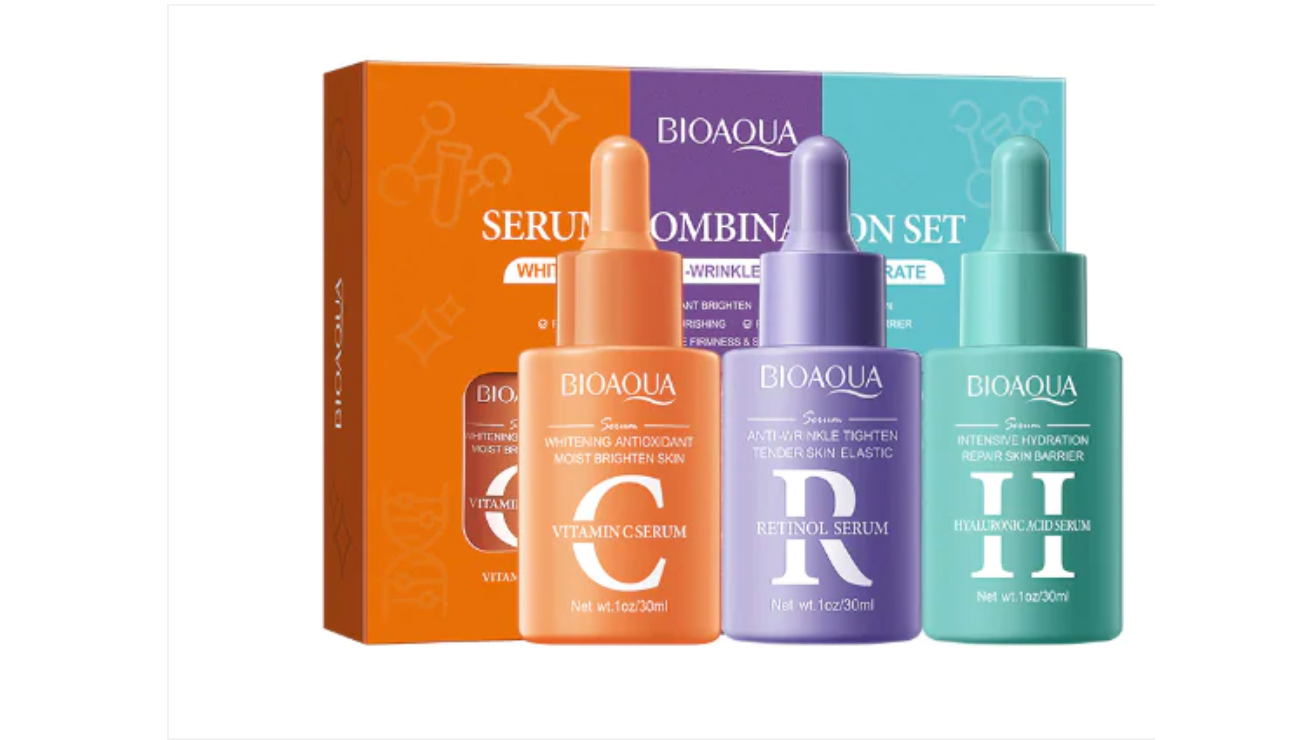
Hyaluronic acid functions as a powerful humectant, capable of holding up to 1,000 times its weight in water. This molecule works by drawing moisture from the surrounding environment and binding it to the skin's surface, creating an immediate plumping effect that smooths fine lines and restores the skin's dewy appearance. The BIOAQUA A-Hyaluronic Acid Face Serum Advanced Skin Care Set provides this hydration through a lightweight, fast-absorbing formula designed to work with the skin's natural moisture-retention mechanisms.
The effectiveness of hyaluronic acid depends significantly on environmental humidity levels. In moderate to high humidity environments, hyaluronic acid acts as a moisture magnet, pulling water vapor from the air and delivering it directly to the skin's surface. This process creates an immediate improvement in skin texture and appearance, with visible plumping effects that can be noticed within minutes of application.
While hyaluronic acid excels at attracting moisture, it requires a protective layer to prevent trans-epidermal water loss. Applying a moisturizer immediately after hyaluronic acid serum creates a barrier that locks in the newly absorbed hydration. This layering technique becomes especially critical in winter when low humidity environments can actually cause hyaluronic acid to draw moisture from deeper skin layers, potentially leaving the skin drier than before application.
Vitamin C serves as both a preventive and restorative ingredient in winter skincare routines. This potent antioxidant neutralizes free radicals generated by environmental stressors while simultaneously supporting the skin's natural repair processes. Unlike many skincare ingredients that work on a single pathway, vitamin C addresses multiple aspects of skin health simultaneously, making it an efficient choice for winter protection.
Winter environments expose skin to numerous stressors beyond cold temperatures. Wind, UV radiation reflected off snow (which can reflect up to 90% of UV rays), and even indoor heating systems generate oxidative stress that can damage cellular structures. Vitamin C acts as a shield against these aggressors by donating electrons to neutralize free radicals before they can cause lasting damage. This protective action helps prevent the inflammatory cascade that often leads to redness, irritation, and premature aging during winter months.
Beyond its antioxidant properties, vitamin C plays a crucial role in collagen synthesis. The ingredient stimulates fibroblast activity—the cells responsible for producing collagen and elastin—while also stabilizing existing collagen structures. This dual action helps maintain skin firmness and elasticity even when harsh winter conditions would normally break down these supportive proteins. Regular vitamin C application can actually improve skin resilience over time, creating a stronger foundation for withstanding future environmental challenges.
Winter skin often appears lackluster due to slower cellular turnover and reduced circulation from cold temperatures. Vitamin C addresses this dullness through multiple mechanisms, including inhibiting melanin production that can lead to uneven pigmentation and supporting healthy cell renewal processes. The result is a more radiant complexion that maintains its glow even during the darkest winter months.
Retinol stands out as one of the most scientifically proven anti-aging ingredients available, working by normalizing cellular turnover and promoting the production of new, healthy skin cells. This vitamin A derivative penetrates deep into the skin where it influences gene expression, essentially reprogramming cells to function more youthfully. However, this powerful action comes with increased photosensitivity and potential for irritation, particularly when combined with winter's already challenging conditions.
Retinol's effectiveness comes at the cost of increased skin sensitivity and dryness, especially during the initial adjustment period. Winter conditions amplify these side effects, making strategic pairing with hydrating ingredients vital for success. Products containing ceramides or hyaluronic acid work synergistically with retinol to maintain the skin barrier while allowing cellular renewal to proceed. This combination prevents the flaking and irritation that can force users to discontinue retinol use before experiencing its full benefits.
Retinol use increases the skin's sensitivity to UV radiation, making daily sun protection non-negotiable regardless of season. Winter sun can be particularly deceptive, as snow reflects up to 90% of UV rays, effectively increasing exposure significantly. Additionally, the skin-thinning effects of retinol remove some of the natural protection provided by the stratum corneum, leaving users more vulnerable to both immediate burning and long-term UV damage.
Effective winter skincare requires strategic timing and application techniques to maximize benefits while minimizing potential conflicts between active ingredients. The key lies in understanding how each serum works and when the skin is most receptive to their specific benefits.
Morning application of vitamin C provides optimal protection against daily environmental stressors. The antioxidant activity peaks during hours of greatest exposure to pollutants, UV radiation, and other oxidative stressors. Applying vitamin C to clean skin allows for maximum absorption and creates a protective shield that lasts throughout the day. Follow with moisturizer and broad-spectrum sunscreen for complete morning protection.
Nighttime represents the ideal window for retinol application, as the skin's natural repair processes are most active during sleep. The absence of UV exposure eliminates concerns about photosensitivity, while the extended contact time allows retinol to penetrate deeply and influence cellular activity. Evening application also minimizes the risk of irritation from environmental exposure while the skin adjusts to this potent ingredient.
Hyaluronic acid's gentle nature and immediate benefits make it suitable for multiple applications throughout the day. Unlike other active ingredients, hyaluronic acid doesn't increase photosensitivity or cause irritation, making it safe for morning, evening, or midday touch-ups. This flexibility proves especially valuable during winter when skin hydration needs can fluctuate based on indoor heating, weather conditions, and activity levels.
Environmental modifications significantly support serum effectiveness while providing baseline protection for the skin barrier. Maintaining indoor humidity at appropriate levels creates conditions where hyaluronic acid can function optimally while preventing the excessive moisture loss that compromises skin health. Strategic humidifier placement in bedrooms and primary living areas can maintain these levels even when outdoor conditions drop humidity to single digits.
The synergistic approach of combining hyaluronic acid, vitamin C, and retinol addresses winter skin challenges through multiple complementary mechanisms. This trio targets different aspects of skin health simultaneously—barrier repair, antioxidant protection, and cellular renewal—creating a defense system against winter damage.
Success with this approach requires patience and consistency, as skin barrier repair occurs gradually over several weeks of consistent use. The initial investment in quality serums and proper application technique pays dividends in improved skin texture, reduced sensitivity, and better resilience against future environmental challenges. When combined with environmental modifications like humidity control and diligent sun protection, these three serums provide a complete solution for maintaining healthy, hydrated skin throughout the winter season and beyond.
For advanced skincare solutions and personalized beauty expertise, visit Profiler Digital to learn more about professional-grade skincare products.


