Are you layering your vitamin C, retinol, and hyaluronic acid serums correctly? Most people make critical timing and sequencing mistakes that actually reduce results—but there’s a science-backed method that maximizes each ingredient’s effectiveness.
Achieving radiant, youthful skin requires more than just good products—it demands the right application strategy. The sequence and timing of vitamin C, retinol, and hyaluronic acid serums can make the difference between mediocre results and transformative skin benefits.
The foundation of effective serum layering starts with understanding when each ingredient performs best. Vitamin C works well in morning routines, providing powerful antioxidant protection that supports sunscreen effectiveness throughout the day. This timing allows the skin to benefit from vitamin C's ability to combat free radicals and environmental damage when exposure is highest. However, vitamin C can also be used at night if preferred.
Retinol belongs in evening routines due to its photosensitizing properties. Using retinol at night prevents increased sun sensitivity while allowing the ingredient to work during the skin's natural repair cycle. This timing maximizes retinol's cell turnover benefits without compromising daytime skin protection.
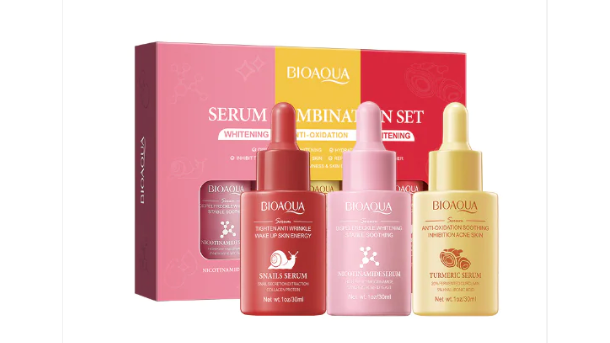
Individual skin tolerance plays a crucial role in timing adjustments. Some people may need to alternate retinol nights or start with lower concentrations, while others can handle daily application from the beginning. The BIOAQUA A-Hyaluronic Acid Face Serum Set provides a complete approach with vitamin C, retinol, and hyaluronic acid serums designed to work synergistically. Monitoring skin response helps determine the optimal frequency for each individual's needs.
Layering compatibility extends beyond avoiding ingredient conflicts to creating synergistic benefits. Hyaluronic acid acts as a moisture cushion that can improve the tolerance and effectiveness of more potent ingredients like retinol. When applied before retinol, hyaluronic acid creates a hydrated base that makes skin more resilient to potential irritation while maintaining the active ingredient's efficacy.
The molecular structure of each serum affects how ingredients penetrate and interact with skin. Vitamin C serums typically have smaller molecules that need direct skin contact for optimal absorption, while hyaluronic acid's larger molecules work effectively at the surface level to lock in moisture and create a protective barrier.
pH compatibility significantly impacts serum effectiveness. Vitamin C serums function best at acidic pH levels (2.6-3.2), which allows for optimal absorption and stability. Retinol products typically have slightly acidic pH levels (3.7-6.5), while hyaluronic acid serums often maintain skin-friendly pH levels around 5.0-8.5.
Understanding these pH requirements explains why vitamin C should be applied first in morning routines—its acidic nature prepares skin for subsequent products while ensuring maximum vitamin C penetration. Evening routines benefit from allowing cleansed skin to return to its natural pH before applying retinol, optimizing the ingredient's effectiveness.
Each serum delivers distinct benefits that strategic timing can amplify. Vitamin C provides antioxidant protection, brightens complexion, and evens skin tone—benefits that support daytime skin defense. Retinol accelerates cell turnover, stimulates collagen production, and reduces wrinkle appearance—processes that align with nighttime skin repair.
Hyaluronic acid offers continuous hydration benefits regardless of timing, making it the most flexible component in the routine. This humectant draws moisture from the environment into skin, providing deep hydration that plumps skin and reduces fine line appearance throughout the day or night.
Morning application begins with clean, dry skin and vitamin C serum as the first treatment step. Apply vitamin C serum evenly across the face and neck, allowing 2-3 minutes for absorption before proceeding to the next step. This timing ensures the acidic vitamin C serum penetrates effectively without interference from other products.
Follow vitamin C with hyaluronic acid serum if morning hydration is needed, then apply moisturizer and broad-spectrum sunscreen. The vitamin C and sunscreen combination creates layered protection against UV damage and environmental stressors, with vitamin C providing internal antioxidant defense while sunscreen offers external barrier protection.
Evening routines start with thorough cleansing to remove daily buildup and prepare skin for treatment serums. Begin retinol introduction slowly—2-3 times per week initially—to build skin tolerance gradually. Apply a thin layer of retinol serum to clean, dry skin, focusing on areas of concern while avoiding the delicate eye area.
Allow retinol to absorb for 2-5 minutes before applying hyaluronic acid serum and night moisturizer. This sequence ensures retinol has direct skin contact for maximum effectiveness while hyaluronic acid provides the hydration needed to counteract potential dryness from retinol use.
Hyaluronic acid's versatility makes it suitable for both morning and evening routines, depending on skin needs and preference. In morning routines, apply hyaluronic acid after vitamin C and before moisturizer to boost hydration under sunscreen. Evening applications work well after retinol to provide additional moisture and comfort.
For sensitive skin types, hyaluronic acid can be applied before retinol to create a protective moisture barrier. This technique, known as "buffering," reduces retinol irritation potential while maintaining the ingredient's anti-aging benefits. The key is consistency—choose morning, evening, or both applications and maintain the routine for optimal results.
The myth of extended wait times between skincare applications actually hinders results rather than helping them. Skin begins losing moisture immediately after application, and waiting 30 minutes between products can lead to dehydration that reduces subsequent product effectiveness. Instead, allow 2-5 minutes between applications for adequate absorption without compromising skin moisture levels.
Quick absorption indicators include when the previous product no longer feels tacky or wet on skin surface. This timing ensures each layer has penetrated sufficiently without creating product buildup that can interfere with absorption of subsequent applications.
Applying products in the wrong consistency order creates barriers that prevent proper absorption. Heavy creams and oils applied before lightweight serums block the serums' ability to penetrate skin effectively. Always follow the thinnest to thickest rule: serums first, followed by moisturizers, then oils or heavy creams.
This sequencing principle applies within serum categories as well. Water-based serums like hyaluronic acid should be applied before oil-based or thicker consistency serums. When in doubt, check product consistency by dispensing a small amount—the more liquid consistency should be applied first.
Proper skin preparation significantly impacts serum effectiveness. Start with a gentle cleanser that removes impurities without stripping natural oils, creating an optimal canvas for serum absorption. Slightly damp skin can improve hyaluronic acid absorption, as this humectant works by drawing moisture from the environment.
Exfoliation 1-2 times weekly removes dead skin cell buildup that can impede serum penetration. However, avoid exfoliating on retinol application nights to prevent over-irritation. Instead, alternate exfoliation and retinol nights or use gentle enzymatic exfoliants that won't compound retinol sensitivity.
Environmental factors influence optimal serum layering strategies. Winter's low humidity can reduce hyaluronic acid's effectiveness, making additional moisturizer layers more important. Consider applying hyaluronic acid to slightly damp skin and following with a heavier moisturizer to lock in hydration during dry months.
Summer routines may benefit from lighter applications due to higher UV exposure and heat. Hot, humid weather can make heavy layering feel uncomfortable, so focus on essential steps: vitamin C protection in morning, lightweight hyaluronic acid hydration, and alternating retinol nights to prevent heat-induced sensitivity.
Mastering the vitamin C, retinol, and hyaluronic acid layering sequence creates a complete approach to skin health that addresses multiple concerns simultaneously. This strategic approach maximizes each ingredient's individual benefits while creating synergistic effects that improve overall results.
Consistency in application timing and sequence produces cumulative benefits over time. Most users notice initial improvements in skin hydration and brightness within 4-12 weeks, while anti-aging benefits from retinol become more apparent after 8-12 weeks of consistent use. The key lies in patience and adherence to the proper layering protocol.
Skincare is highly individual, and the optimal routine may require minor adjustments based on skin type, sensitivity, and environmental factors. Start conservatively, monitor skin response, and gradually increase frequency as tolerance builds. This methodical approach ensures maximum benefits while minimizing potential irritation from this powerful combination of active ingredients.
For expertly formulated serum combinations and advanced skincare solutions, visit Profiler Digital.


