Live perf are looking for concert-quality sound in travel-friendly packages. Experts explore new designs that feature authentic piano action, unprecedented connectivity, and touring-tough reliability—essentials for today’s expanding live music industry.
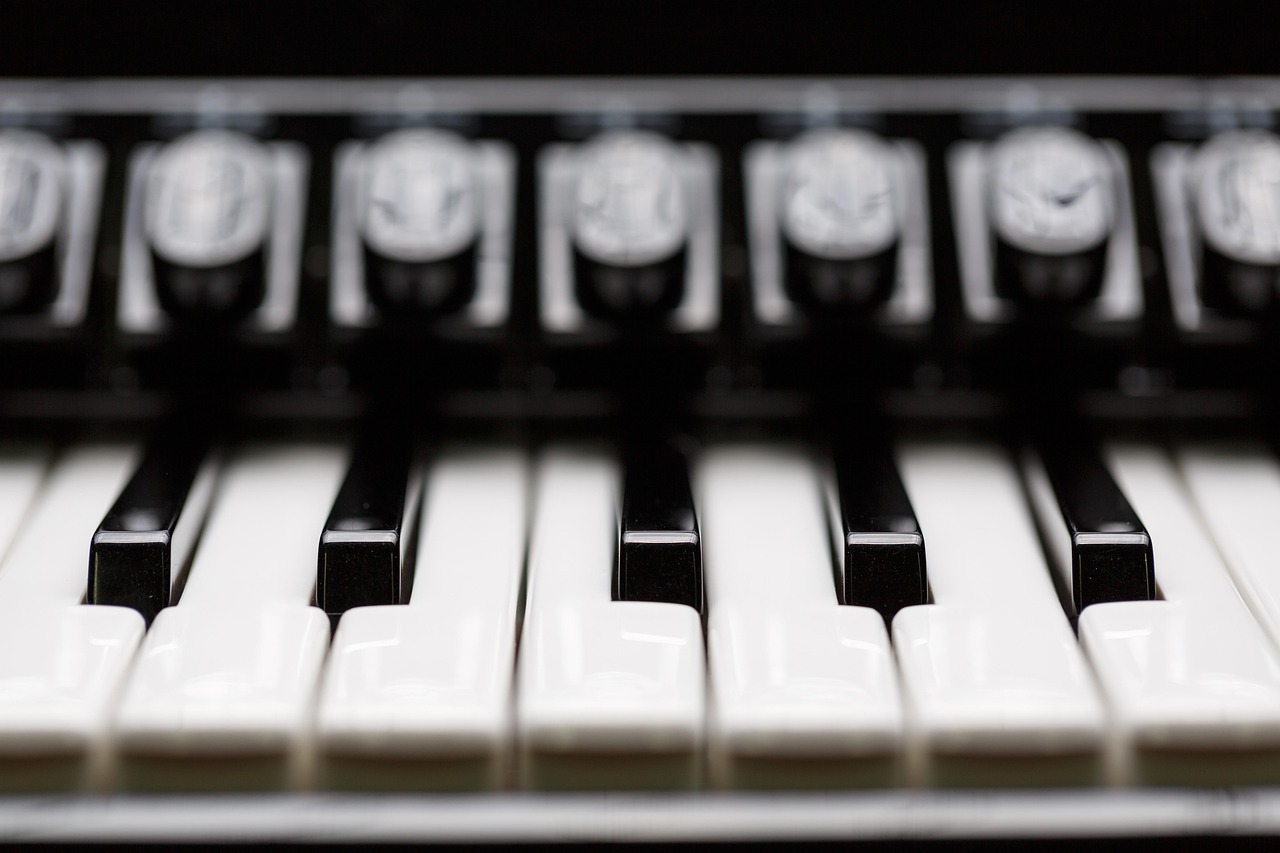
The live music industry has grown substantially, expanding from $34.84 billion in 2024 to $38.58 billion in 2025. This surge reflects more than just numbers—it represents a fundamental shift in how audiences engage with music. At the heart of this transformation are the instruments bringing these performances to life, with stage keyboards leading a technological revolution.
Today's stage keyboards differ dramatically from their predecessors. The current models of 2025 have redefined what performing musicians can expect from their instruments. With advancements in both sound technology and physical design, manufacturers like Yamaha, Roland, Kawai, and Casio have created keyboards that deliver authentic piano experiences without the logistical challenges of traditional acoustic instruments.
What makes these innovations particularly significant is how they're changing the very nature of live performance. Musicians can now travel with instruments that faithfully reproduce the sound and feel of concert grands while weighing a fraction as much. Professional musicians shopping at specialty retailers like Sam Ash often seek these versatile instruments that adapt to diverse performance environments while delivering studio-quality sound.
When choosing the perfect stage keyboard, professional musicians have specific requirements that determine which models stand out in 2025.
The most significant advancement in modern stage keyboards is the improvement in key action. Professional musicians want keyboards that respond like acoustic pianos, with graduated hammer action that accurately captures the weight and response of traditional instruments. The best models now feature triple-sensor mechanisms that detect subtle nuances in playing technique, allowing for expressive performances previously impossible on digital instruments.
Kawai's latest stage models incorporate their Responsive Hammer III action, which uses longer key sticks and counterweights to create an authentic pivoting motion similar to acoustic grand pianos. Similarly, Roland's PHA-50 hybrid wooden keyboard combines wooden sides with molded materials to provide both authenticity and durability under touring conditions.
The sound sampling technology in 2025's premier stage keyboards has reached unprecedented levels of sophistication. The best models utilize multi-layered sampling techniques where each note is recorded at multiple velocity levels from premium concert grand pianos. This results in dynamic sound reproduction that responds naturally to a player's touch.
Yamaha's CFX sampling technology captures their flagship concert grand with remarkable precision, while Roland's SuperNATURAL piano modeling combines sampling with behavior modeling to recreate the complex resonances and harmonic interactions of acoustic pianos. These technologies deliver nuance and character that stand up to scrutiny even in critical listening environments.
The challenge for stage keyboards has always been balancing authentic feel with practical portability. In 2025, manufacturers have made significant progress in creating full-featured instruments that remain manageable for touring musicians. New carbon-composite materials and refined internal architecture have resulted in keyboards that weigh 20-30% less than comparable models from just five years ago, while actually improving structural integrity.
Casio's Privia PX-S9000 demonstrates this progress, packing a weighted hammer action keyboard into an ultra-slim chassis weighing just 24 pounds. Similarly, Nord's Stage 4 incorporates their hammer action keyboard in a package that's been engineered specifically for life on the road.
Today's stage setups require keyboards that integrate seamlessly with other equipment. The leading 2025 models feature comprehensive connectivity options including MIDI over USB, Bluetooth, balanced XLR outputs, and direct audio interfaces for recording.
Beyond basic connectivity, modern keyboards also include advanced features like wireless integration with digital audio workstations, app-based sound editing, and cloud storage for performances and settings. These features allow musicians to create consistent experiences across different venues and performance situations.
Professional musicians need instruments that can withstand the rigors of touring. The best stage keyboards of 2025 feature reinforced chassis designs, protected input/output sections, and components tested for temperature and humidity variations.
Manufacturers have recognized that reliability is a primary concern, leading to extended warranties specifically covering touring musicians. This focus on durability ensures that investments in premium keyboards will deliver consistent performance over years of demanding use.
When selecting stage keyboards, professional musicians rely on personal experience, technical knowledge, and practical considerations. The selection process typically begins with the most fundamental aspect: how the instrument feels under their fingers.
For classical and jazz pianists, the key action is often the deciding factor. They typically seek keyboards with weighted hammer actions that closely replicate the response of acoustic pianos. The subtle differences between actions—from the initial resistance to the key bed contact—can make or break a performer's connection with the instrument.
Versatility ranks high for multi-genre performers who need quick access to different sounds without compromising quality. These musicians often prioritize keyboards with intuitive interfaces that allow rapid sound switching during live performances without interrupting their flow.
Consistently across all professional contexts, reliability emerges as the non-negotiable requirement. The rigors of touring—from changing temperatures and humidity levels to the physical stress of loading and unloading—demand instruments built to withstand harsh conditions.
Wireless technology has transformed how keyboards integrate into live setups. Bluetooth MIDI allows for cable-free connections to computers and tablets, enabling musicians to control virtual instruments and record performances without physical connections. The latest models support Bluetooth 5.2 with latency under 3ms—imperceptible even to professional players.
Many premium keyboards now feature Bluetooth audio with aptX HD support, providing 24-bit wireless audio streaming capabilities with near-lossless quality. This allows performers to stream backing tracks directly to their instrument or connect to PA systems without cable clutter.
Professional stage keyboards now offer sophisticated output routing capabilities. Models like the Roland RD-2000 provide eight discrete outputs via combination XLR/TRS jacks, allowing different sounds to be sent to separate channels on the mixing board. This gives sound engineers precise control over the final mix, particularly valuable in larger venues where different keyboard sounds need distinct EQ and effects processing.
Advanced output management systems also allow for frequency-specific routing, sending bass frequencies to subwoofers while directing mid and high frequencies to main speakers—all programmable per patch.
The distinction between hardware and software continues to blur in 2025's premium keyboards. Many now function as controller hubs for virtual instrument libraries, with dedicated interfaces for popular VST platforms. This integration allows musicians to harness the power of software instruments while maintaining the tactile experience of playing a high-quality keyboard.
The newest models feature direct integration with digital audio workstations through specialized protocols that provide deeper control than standard MIDI, including per-note expression data and advanced controller mapping.
Investing in a premium stage keyboard represents a significant financial commitment, with top models ranging from $2,000 to $3,500. To ensure your investment remains viable for years to come, consider these factors:
The ideal stage keyboard matches your specific musical needs—classical players may seek authentic piano action, while jazz, rock, and electronic musicians might prioritize sound variety, quick transitions, or seamless software integration.
When you're ready to check out the top stage keyboards of 2025, music retailers like Sam Ash offer selections where you can compare models hands-on and find the perfect instrument for your performance needs.


